Types of Roofing Materials for Businesses: Which Is Best?
Choosing the right types of roofing materials for businesses is a crucial decision that affects both the functionality and aesthetics of your commercial property. With diverse options available, it’s essential to understand the benefits and drawbacks of each material to make an informed choice. This guide delves into the various commercial roofing materials, helping you find the best fit for your business needs, especially in the unique climate of Southern California.

Key Takeaways
- Understand the different types of roofing materials for businesses and their suitability for various climates and building structures.
- Compare the costs, durability, and energy efficiency of popular commercial roofing options.
- Learn about the maintenance requirements and longevity of different roofing materials.
- Discover the environmental impact and sustainability factors of each roofing type.
- Find practical tips for selecting the best roofing material for your business.
Understanding Roofing Materials for Businesses
Asphalt Shingles
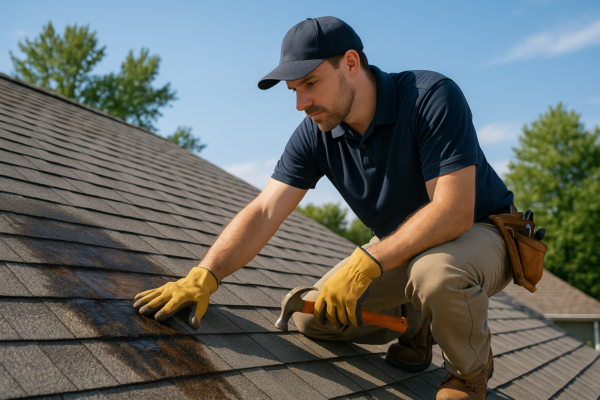
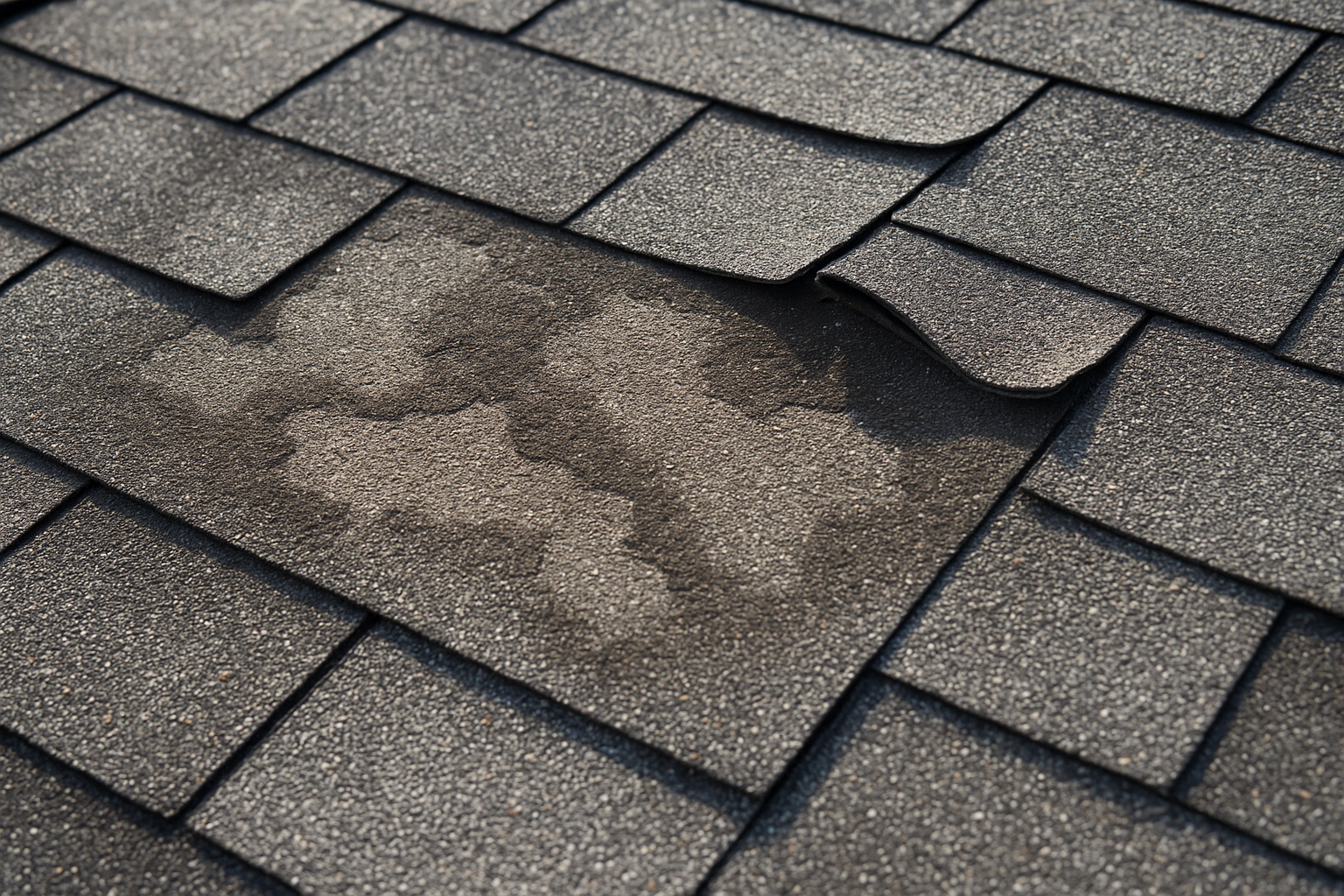
Asphalt shingles are a popular choice for both residential and commercial properties due to their cost-effectiveness and ease of installation. They offer a relatively short lifespan of 15-30 years but provide decent protection against the elements. In Southern California, where the climate is mild, asphalt shingles can be a practical option, although they may not be the most energy-efficient choice.
When considering asphalt shingles, it’s important to evaluate their resistance to weathering and impacts. They are available in a variety of colors and styles, allowing for some aesthetic flexibility. However, the material might not be the best for large commercial structures due to its limited durability and energy efficiency compared to other materials.
Metal Roofing
Metal roofing has gained popularity among businesses for its durability and modern appearance. This material can last up to 50 years or more, offering excellent resistance to wind, rain, and fire. For businesses located in areas prone to wildfires, such as parts of Southern California, metal roofing is a wise investment.
The cost of metal roofing can vary significantly depending on the type of metal used. Common options include aluminum, steel, and copper. Each type offers distinct benefits, such as corrosion resistance and weight. Metal roofing is also known for its energy efficiency, as it reflects solar heat, helping to reduce cooling costs. Discover more about the benefits of metal roofing for commercial properties.
TPO Roofing
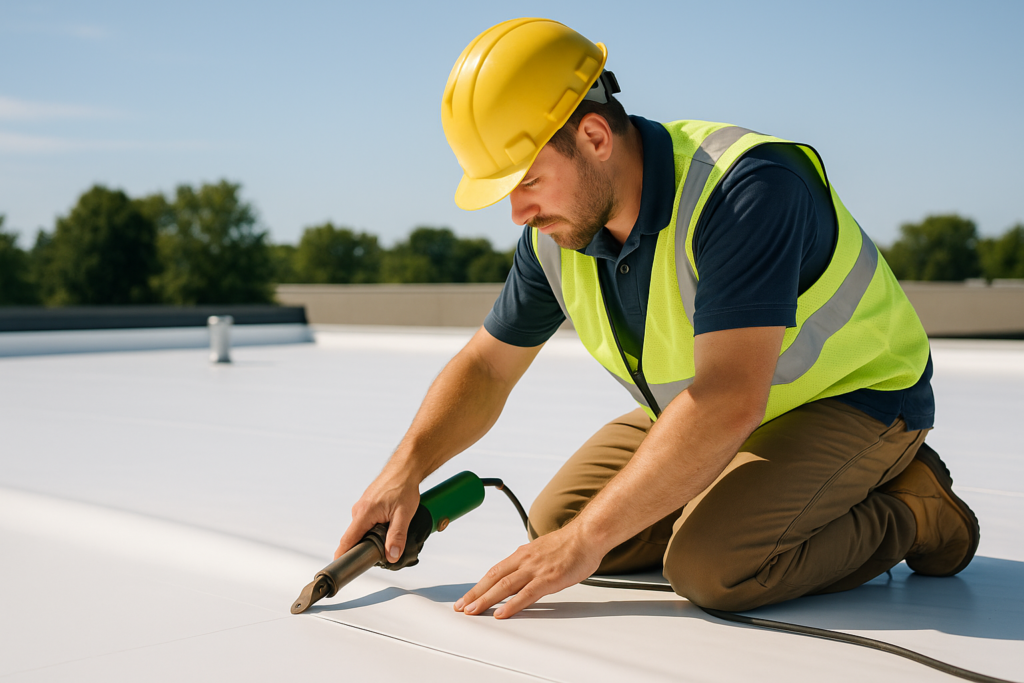
Thermoplastic Olefin (TPO) is a modern choice for flat roofs, offering affordability and energy efficiency. TPO roofing is known for its reflective properties, which can significantly reduce energy costs by deflecting UV rays. This feature makes TPO an excellent option for businesses aiming to lower their carbon footprint and reduce energy consumption in the sunny climate of California.
Installation and maintenance of TPO roofs are relatively straightforward, making them a cost-effective solution. Despite being a newer material in the market, TPO has quickly become a preferred choice for many commercial buildings. To explore the benefits further, you can check out the advantages of TPO roofing systems.
Comparing Roofing Materials for Businesses
Cost Comparison
When selecting types of roofing materials for businesses, cost is a significant factor. The initial investment, maintenance costs, and potential energy savings should all be considered. Here’s a comparison of common roofing materials:
| Material | Initial Cost (per sq. ft.) | Maintenance Cost (annual, per sq. ft.) |
|---|---|---|
| Asphalt Shingles | $3 – $5 | $0.10 – $0.25 |
| Metal Roofing | $5 – $12 | $0.15 – $0.30 |
| TPO Roofing | $5 – $8 | $0.10 – $0.20 |
While metal roofs might have a higher upfront cost, their longevity and energy savings can offset the initial expense over time. Conversely, asphalt shingles offer a lower initial cost but may require more frequent repairs and replacements.
Durability and Longevity
Durability is a critical factor in choosing roofing materials, as it directly impacts the roof’s lifespan and maintenance requirements. Metal roofing stands out for its remarkable longevity, often enduring for 50 years or more with minimal maintenance. In comparison, asphalt shingles need replacement every 15-30 years, which can add up in terms of costs and downtime for your business operations.
TPO roofing also offers a commendable lifespan, typically around 20-30 years. Its resistance to UV radiation and heat makes it a durable choice for businesses in sunny climates. To learn more about highly durable roofing materials, you might explore different options suited for long-term protection.
Energy Efficiency
Energy efficiency is increasingly important for businesses looking to minimize costs and environmental impact. Metal and TPO roofs are excellent at reflecting solar heat, thus helping reduce cooling costs during the hot Californian summers. Asphalt shingles, while less efficient, can still be a viable option if paired with proper insulation and ventilation systems.
Investing in energy-efficient roofing materials not only lowers your utility bills but also enhances the sustainability of your business operations. For more insights, consider exploring energy-saving roofing materials that can benefit your commercial property.

Environmental Impact and Sustainability
Green Roofing Options
Green roofing solutions are gaining traction for their environmental benefits and aesthetic appeal. These roofs incorporate vegetation layers, providing natural insulation and reducing stormwater runoff. They also improve air quality and support local biodiversity. While the initial cost can be higher, the long-term benefits often justify the investment. Discover more about green roofing solutions for businesses.
Green roofs can be particularly beneficial in urban areas, where they help mitigate the heat island effect. If sustainability is a priority for your business, a green roof might be the perfect choice to align with your environmental goals.
Recyclability and Material Composition
The recyclability of roofing materials is an essential consideration for environmentally conscious businesses. Metal roofing stands out in this regard, as most metals are fully recyclable, reducing landfill waste significantly. TPO is also recyclable, though its infrastructure is still developing compared to metals.
Asphalt shingles, on the other hand, are less eco-friendly due to their limited recyclability and the energy-intensive process required for their production. When selecting roofing materials, consider the lifecycle and disposal impact to align with your sustainability initiatives.
Government Incentives and Rebates
Businesses in California can benefit from various government incentives and rebates designed to promote sustainable building practices. Installing energy-efficient roofs, such as metal or TPO, may qualify your business for tax credits or rebates. These incentives can offset initial costs and make sustainable roofing options more financially accessible.
It’s advisable to consult with a professional roofing contractor who is familiar with local regulations and incentive programs. This can ensure you maximize potential savings while adhering to relevant building codes and standards.
Frequently Asked Questions
What is the most durable roofing material for businesses?
Metal roofing is often regarded as the most durable option due to its resistance to extreme weather conditions and fire. It can last over 50 years with proper maintenance, offering long-term protection and value. For more on durable options, check our guide on durable commercial roofs.
How do I choose the best roofing material for my business?
Consider factors such as climate, building structure, budget, and energy efficiency when selecting types of roofing materials for businesses. A roofing professional can provide insights tailored to your specific needs and help you make an informed decision.
Are there environmental benefits to choosing certain roofing materials?
Yes, materials like metal and TPO offer environmental benefits due to their recyclability and energy efficiency. Green roofs also provide ecological advantages by enhancing biodiversity and reducing urban heat. Explore more about sustainable roofing options for businesses.
What are the cost implications of different roofing materials?
The cost of roofing materials varies widely based on the type and quality. Asphalt shingles are generally the cheapest upfront, while metal and TPO offer better long-term savings through durability and energy efficiency. Consider all costs, including maintenance and potential energy savings, when evaluating options.
Conclusion
Choosing the right types of roofing materials for businesses is essential for ensuring the longevity, efficiency, and aesthetic appeal of your commercial property. By understanding the features, costs, and benefits of each material, you can make an informed decision that aligns with your business goals and environmental considerations. Whether you opt for the durability of metal, the affordability of asphalt, or the efficiency of TPO, each material offers unique advantages. For more detailed guidance tailored to your specific needs, explore our comprehensive commercial roofing resources or consult with a professional roofing contractor.