Understanding Flat Roofing Costs for Your Business
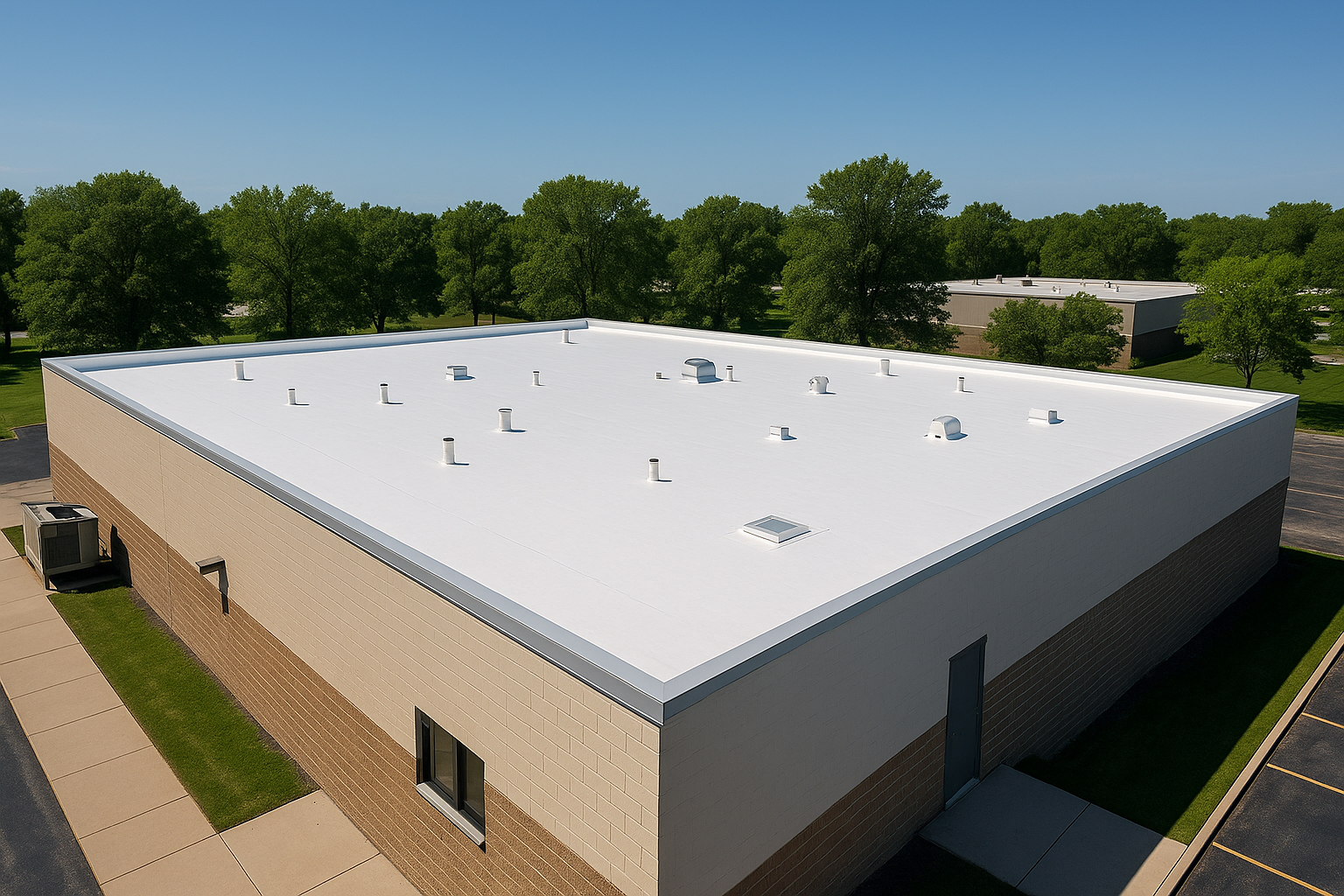
Determining the pricing for flat roofing systems is crucial for businesses planning a new installation or replacement. With various materials and factors influencing costs, navigating this landscape can be challenging. This comprehensive guide will help you understand the costs associated with flat roofing systems, ensuring you make informed decisions for your commercial property.
Key Takeaways
- Flat roofing systems offer cost-effective solutions for commercial properties.
- Factors such as material, labor, and location influence the overall cost.
- Understanding different flat roofing materials can help optimize your budget.
- Regular maintenance and repair are critical to extending the lifespan of your roof.
- Energy-efficient and sustainable options can reduce operational costs over time.
Factors Influencing Flat Roofing Costs
Material Selection
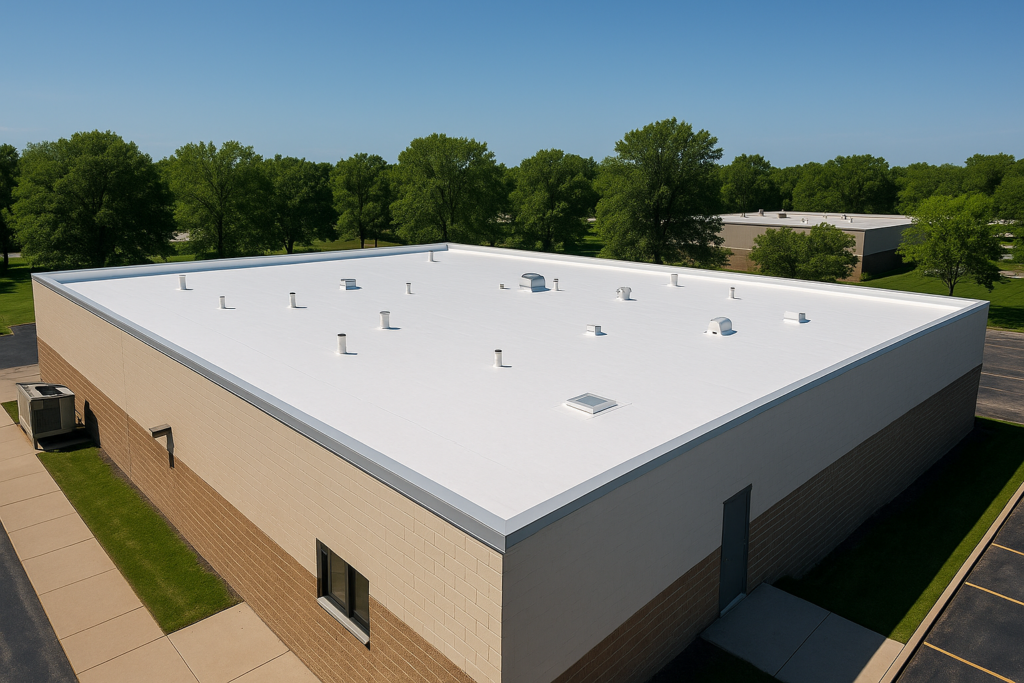
The choice of material is a significant factor in determining the pricing for flat roofing systems. Common materials include EPDM, TPO, PVC, and modified bitumen, each with distinct cost implications. For instance, TPO is known for its affordability and energy efficiency, making it a popular choice in Southern California’s sunny climate.
EPDM, a durable synthetic rubber membrane, generally costs between $4 to $8 per square foot installed, while TPO and PVC can range from $5 to $12 per square foot. These costs may vary based on the specific requirements of your roof and the complexity of the installation process.
For a detailed breakdown of flat roofing options and their advantages, you can explore different types of materials that best fit your commercial needs.
Labor and Installation
Labor costs are another critical component of flat roofing pricing. In California, labor rates can range from $50 to $75 per hour, depending on the complexity of the roof design and the expertise required. Installing a flat roof typically involves more labor-intensive processes than pitched roofs, affecting the overall cost.
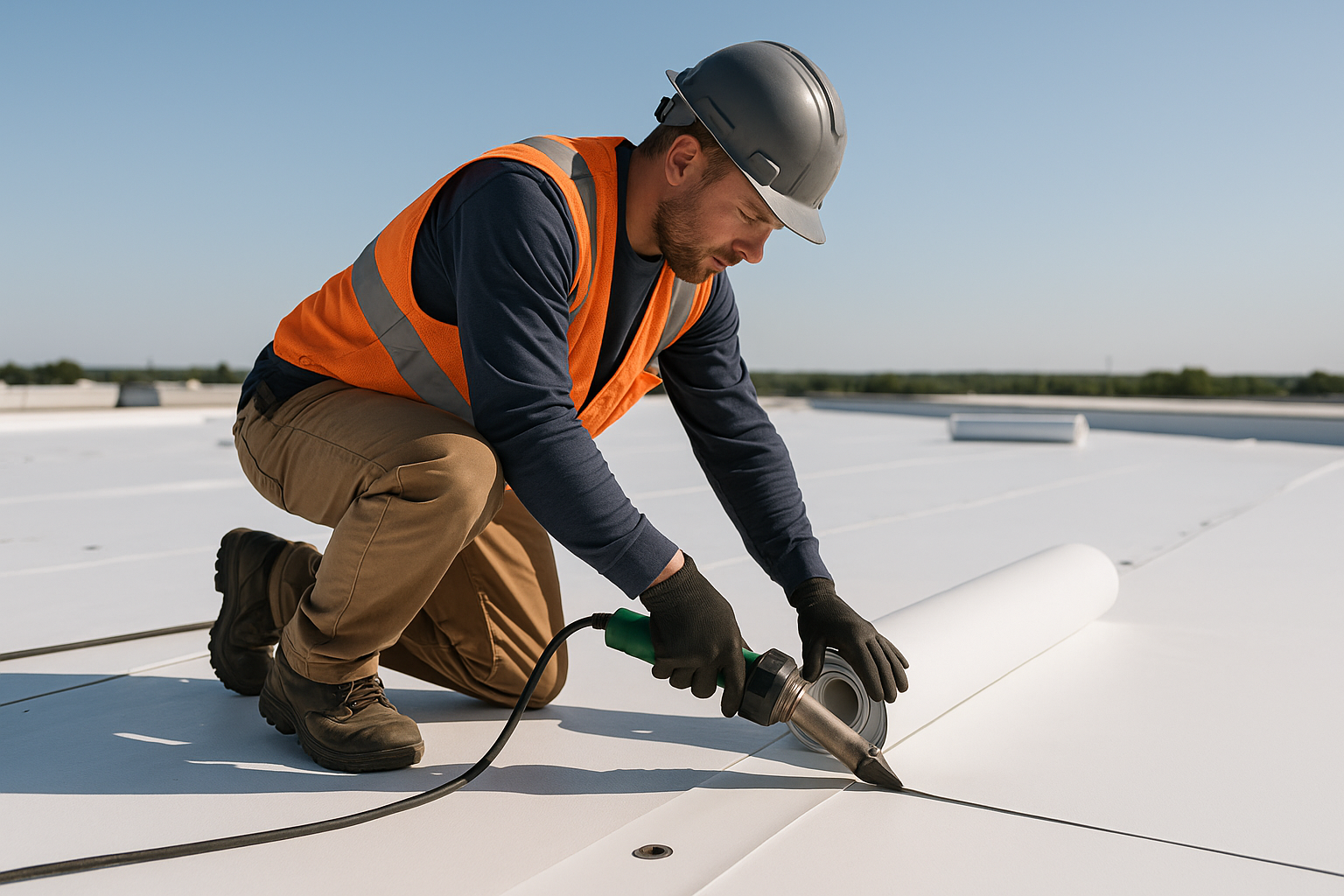
For example, the installation of a TPO roof involves heat-welding seams, which requires specialized skills and equipment. This can increase both labor time and costs. Additionally, the size of the roof and accessibility can further impact labor expenses.
To understand more about the cost estimates for commercial roofing projects, consider the unique demands of your building’s architecture and location.
Location and Climate Considerations
Your geographical location significantly influences the pricing for flat roofing systems. In the San Gabriel Valley and broader Southern California region, roofing must withstand intense sunlight and occasional heavy rain. As such, selecting materials that offer UV resistance and durability in varying weather conditions is essential.
Local building codes and regulations may also dictate specific requirements for commercial roofing, influencing both material choice and installation methods. These factors must be considered in conjunction with the initial cost estimates.
For businesses in areas with specific climate challenges, exploring options like energy-efficient roofing systems can provide long-term savings and enhance the building’s sustainability.
Comparing Flat Roofing Materials
Cost vs. Longevity
When considering different flat roofing materials, it’s crucial to balance pricing with longevity. Below is a comparison table highlighting costs and expected lifespan for popular materials:
| Material | Cost (per square foot) | Expected Lifespan (years) |
|---|---|---|
| EPDM | $4 – $8 | 25 – 30 |
| TPO | $5 – $10 | 15 – 20 |
| PVC | $6 – $12 | 20 – 30 |
| Modified Bitumen | $3 – $6 | 10 – 15 |
This table illustrates that while materials like PVC and EPDM may have a higher upfront cost, their durability can offer better value over time. Selecting the right material based on your property’s needs can optimize your budget and extend the roof’s service life.
Energy Efficiency and Savings
Investing in energy-efficient flat roofing systems can result in substantial savings on utility bills. Systems like TPO and PVC provide excellent thermal insulation, helping to maintain cooler interior temperatures during hot California summers. This can reduce reliance on air conditioning, lowering energy costs significantly.
Additionally, reflective materials can mitigate the urban heat island effect, benefiting both your property and the surrounding environment. For more insights on how roofing can reduce energy costs, consider exploring energy-efficient roofing tips.
Choosing an energy-efficient system not only enhances comfort but also supports sustainability efforts, aligning with the growing demand for eco-friendly business practices.
Maintenance and Repair Costs
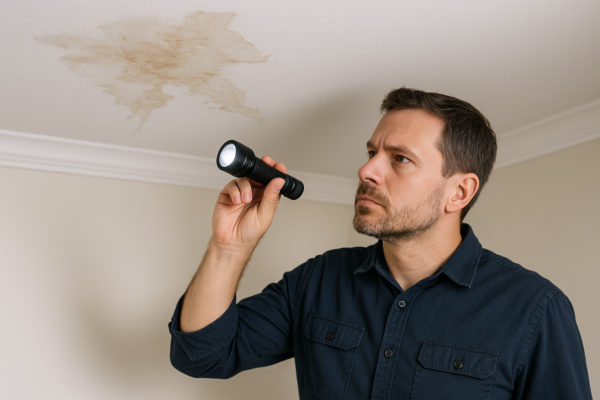
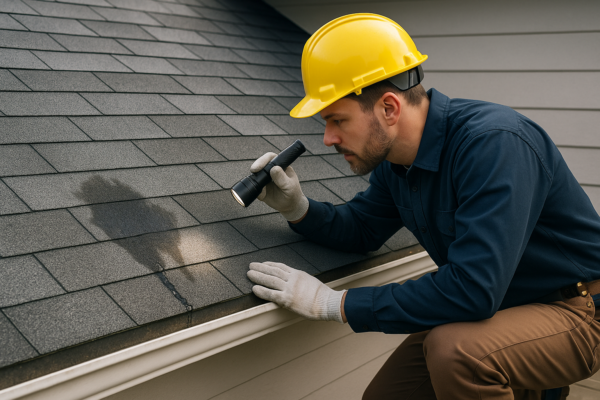
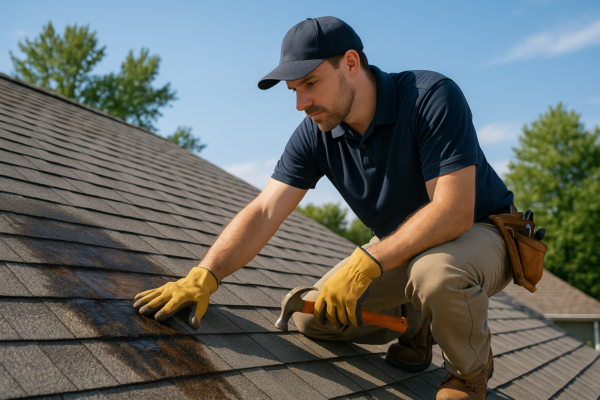
Regular maintenance is essential to preserve the integrity of your flat roof and avoid unexpected repair costs. Common maintenance tasks include cleaning drains, inspecting for leaks, and repairing minor damage.
The cost of maintenance varies but generally ranges from $0.10 to $0.25 per square foot annually. Promptly addressing issues such as leaks or membrane damage can prevent costly repairs and extend the roof’s lifespan.
For businesses facing frequent repairs, investing in roof leak repair services can be a cost-effective solution to maintain optimal roof performance.

Practical Tips for Managing Flat Roofing Costs
Budgeting and Planning
Effective budgeting and planning are crucial in managing the pricing for flat roofing systems. Here are some practical tips:
- Conduct a thorough roof inspection to identify potential issues before installation.
- Obtain multiple quotes from reputable contractors to compare pricing and services.
- Consider long-term maintenance agreements to lock in lower rates for future upkeep.
- Explore financing options if upfront costs are a concern.
A strategic approach to budgeting can help you avoid unforeseen expenses and ensure your roofing project stays within financial limits. For further guidance, consider consulting with local roofing contractors experienced in commercial installations.
Choosing the Right Contractor
Selecting a qualified contractor is essential for a successful roofing installation. Look for contractors with extensive experience in commercial flat roofs, as they will be familiar with the specific challenges these projects entail.
Ensure the contractor provides a detailed proposal outlining material costs, labor, and estimated timelines. Checking references and previous work can also offer insights into their reliability and quality of work.
To ensure a smooth process, engage with experts who understand the nuances of commercial roofing types and can tailor solutions to your specific needs.
Leveraging Tax Credits and Incentives
Businesses may benefit from tax credits and incentives for installing energy-efficient and sustainable roofing systems. Programs like the Federal Solar Tax Credit or local incentives can offset installation costs, making these systems more accessible.
Research available programs in your area and consult with a tax professional to maximize potential savings. Utilizing these incentives can make a significant difference in the overall pricing for flat roofing systems.
For more information on sustainable options, explore our guide on sustainable roofing for commercial properties.
Frequently Asked Questions
What is the most cost-effective material for flat roofing?
Modified bitumen is often considered the most cost-effective material for flat roofing due to its lower installation and material costs. However, it may not offer the same longevity or energy efficiency as materials like TPO or PVC.
How often should a flat roof be inspected?
It’s recommended to inspect flat roofs at least twice a year, ideally before and after the rainy season in California. Regular inspections help identify potential issues early and ensure proper maintenance.
Can I install a flat roof myself to save costs?
While DIY installation might seem cost-effective, flat roofing systems require specialized skills and equipment. Improper installation can lead to leaks and structural issues, ultimately increasing costs. Hiring a professional is advisable to ensure quality work.
How do I know if my flat roof needs replacement?
Signs that a flat roof may need replacement include persistent leaks, extensive membrane damage, and significant wear and tear. Regular inspections can help determine if repairs are sufficient or if replacement is necessary.
Conclusion
Understanding the pricing for flat roofing systems involves evaluating material costs, labor, and local factors. By carefully selecting materials, planning budgets, and leveraging incentives, businesses can manage costs effectively while ensuring a durable and efficient roofing solution. Regular maintenance and strategic planning are key to optimizing your investment and extending the lifespan of your commercial roof. For more information, visit our Roof Leak Repair Services.