Energy-Efficient Commercial Roofing Options to Save You Money
Choosing the right **energy-efficient commercial roofing options** can significantly impact your business’s bottom line while contributing to a greener environment. In the San Gabriel Valley, where temperatures can soar, selecting the right roofing system is crucial for reducing energy costs and enhancing your building’s comfort. This guide will explore various roofing materials and solutions that offer significant energy savings, helping you make an informed decision.
Key Takeaways
- Choosing energy-efficient roofing can dramatically reduce energy costs, especially in sunny climates like Southern California.
- Reflective roofing materials like TPO and cool roofs are excellent options for commercial buildings.
- Proper maintenance and regular inspections enhance the longevity and effectiveness of energy-efficient roofing solutions.
- Consulting with a professional ensures you select the best roofing option for your specific needs and climate conditions.
- Investing in energy-efficient roofing can increase property value and contribute to environmental sustainability.
Understanding Energy-Efficient Roofing Materials
TPO (Thermoplastic Olefin) Roofing
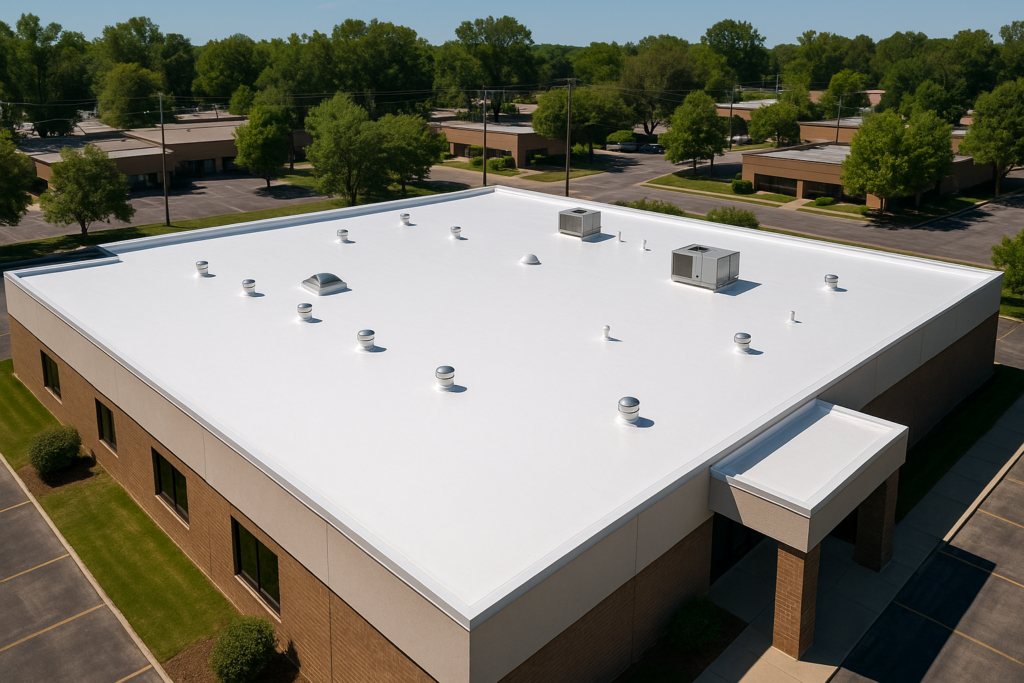
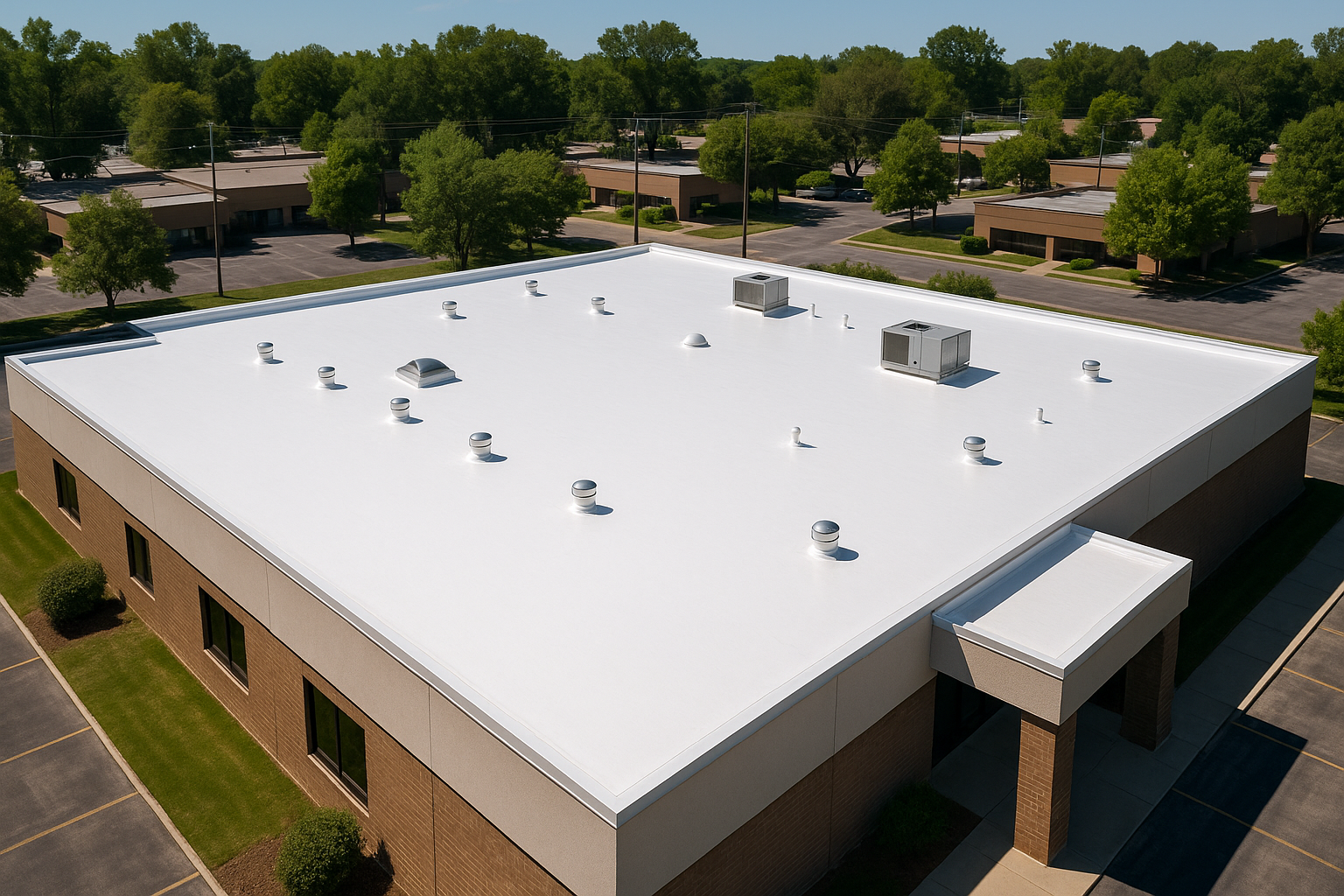
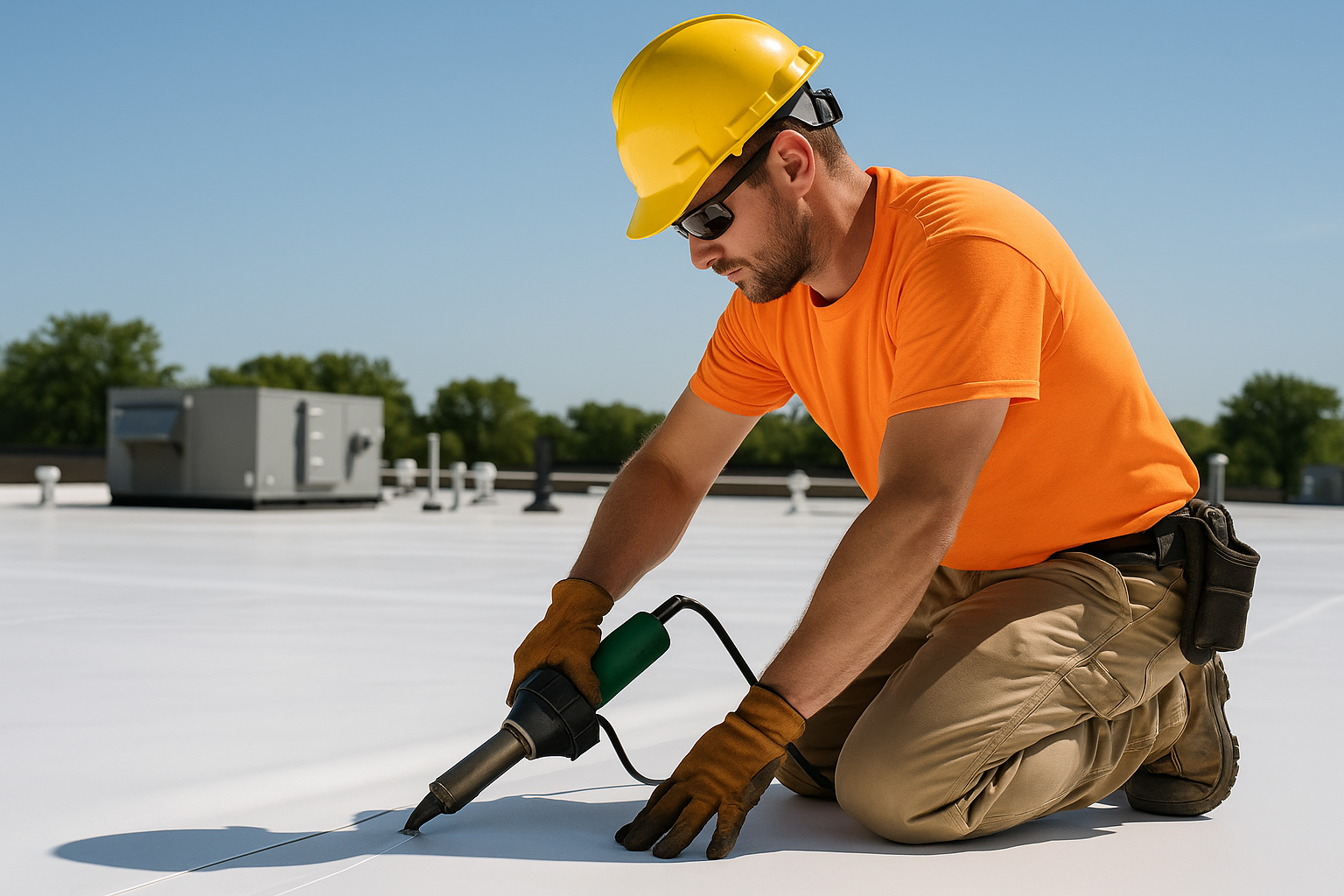
**TPO roofing** is a single-ply reflective roofing membrane made from polyprophylene and ethylene-propylene rubber. It’s known for its heat-reflective and energy-efficient properties, making it a popular choice for commercial buildings in warm climates. TPO reflects UV rays, which can reduce air conditioning costs by up to 20%.
In addition to its energy-saving benefits, TPO is resistant to dirt, bacteria, and algae, which helps maintain its reflective properties over time. The lifespan of a TPO roof typically ranges from 15 to 20 years, depending on maintenance and environmental conditions.
When considering TPO roofing, it’s important to work with experienced commercial flat roofing contractors who can ensure proper installation, maximizing the material’s energy efficiency and longevity.
Cool Roofs
**Cool roofs** are designed to reflect more sunlight and absorb less heat than standard roofs. They are made from highly reflective tiles, shingles, or coatings. Cool roofs can lower roof surface temperatures by more than 50°F, significantly reducing cooling costs during hot summer months in California.
The benefits of cool roofs extend beyond energy savings. They also improve indoor comfort for spaces that are not air-conditioned, reduce roof maintenance costs, and may even extend the roof’s service life. Cool roofs are an excellent option for buildings in areas with high cooling demands.
Installation costs for cool roofs vary, but they generally range from $0.75 to $3.00 per square foot. The initial investment is often offset by the savings on energy bills. Learn more about energy-efficient flat roofing options to see if a cool roof is right for your business.
Green Roofs
**Green roofs** involve covering a building’s roof with vegetation and soil, or a growing medium. These roofs provide excellent insulation, reduce stormwater runoff, and improve air quality. They also offer significant energy savings by keeping buildings cooler in the summer and warmer in the winter.
While green roofs can be more expensive to install, with costs ranging from $10 to $25 per square foot, they provide numerous environmental benefits and can double the lifespan of a traditional roof. They are particularly effective in urban areas where they can help mitigate the heat island effect.
For businesses looking to invest in sustainability, green roofs are a smart choice. However, they require more maintenance than other roofing types, making it crucial to plan for ongoing care.
Comparing Roofing Options
Cost and Longevity
When evaluating **energy-efficient commercial roofing options**, it’s essential to consider both the upfront costs and the long-term savings. Durability and lifespan are crucial factors that influence the overall value of your investment.
| Roofing Material | Average Cost (per sq ft) | Expected Lifespan (years) |
|---|---|---|
| TPO | $5.50 – $9.50 | 15 – 20 |
| Cool Roof | $0.75 – $3.00 | 15 – 20 |
| Green Roof | $10 – $25 | 30 – 50 |
| Metal Roof | $7 – $12 | 40 – 70 |
Metal roofs, for example, might have a higher initial cost but offer exceptional durability and minimal maintenance requirements. Discover the benefits of commercial metal roofing to determine if it’s a suitable option for your building.
Environmental Impact
Many businesses are now considering the environmental impact of their roofing choices. Energy-efficient options not only reduce utility costs but also lower a building’s carbon footprint. Cool roofs and green roofs are particularly effective at decreasing heat absorption, thus reducing the urban heat island effect.
By choosing sustainable materials, businesses can contribute to environmental conservation and meet corporate sustainability goals. Green roofs, for instance, provide habitats for wildlife and improve air quality, making them an excellent choice for eco-conscious businesses.
Consulting with a professional can help you assess the environmental benefits and potential incentives available for energy-efficient upgrades. Explore local commercial roofing contractors to find experts who can guide you through the decision-making process.
Maintenance Requirements
Maintenance is a crucial aspect of any roofing system’s longevity and efficiency. While energy-efficient roofs like TPO and cool roofs require relatively low maintenance, green roofs need more frequent attention.
Regular inspections and preventive care can prolong the life of your roof and enhance its performance. It’s advisable to schedule routine check-ups, especially after severe weather conditions, to ensure there are no underlying issues like leaks or damage.
Learn more about preventive maintenance strategies to protect your investment and maximize the benefits of your energy-efficient roof.

Installation Considerations
Choosing the Right Installer
When selecting **energy-efficient commercial roofing options**, the choice of installer is as important as the material itself. A qualified and experienced roofing contractor can ensure proper installation, which is critical for achieving maximum energy efficiency and durability.
Look for roofing companies with a strong reputation and positive customer reviews. It’s also beneficial to choose a contractor familiar with local climate conditions, as they can provide insights on the best materials and techniques for your area.
Roof Titan is a trusted provider of commercial roofing services in the San Gabriel Valley, offering expert installation and maintenance for a variety of roofing systems.
Building and Climate Compatibility
The effectiveness of your roofing choice can vary significantly based on the building’s design and local climate. For instance, cool roofs are particularly effective in hot, sunny areas, while green roofs offer added benefits in urban settings with limited green space.
Consider the building’s architecture, orientation, and existing insulation when evaluating roofing options. A professional assessment can help identify the most suitable materials for your specific needs, ensuring optimal performance and energy savings.
It’s advisable to consult local guidelines and climate data to inform your decision. For example, flat roofing options may be more appropriate for certain architectural styles.
Cost-Benefit Analysis
Conducting a thorough cost-benefit analysis is essential when investing in energy-efficient roofing. Consider factors such as initial costs, potential energy savings, maintenance expenses, and the impact on property value.
By comparing these elements, you can determine the return on investment and long-term benefits of each option. Energy-efficient roofs typically offer substantial savings over time, making them a worthwhile investment for many businesses.
Professionals can assist in performing detailed cost analyses and recommend the best solutions based on your budget and goals. Learn more about best materials for commercial roofs to make an informed decision.
Frequently Asked Questions
What are the benefits of energy-efficient commercial roofing?
Energy-efficient commercial roofing offers several benefits, including reduced energy costs, improved indoor comfort, extended roof lifespan, and lower environmental impact. These roofs reflect more sunlight and absorb less heat, leading to decreased cooling needs and energy consumption.
How often should energy-efficient roofs be inspected?
It’s recommended to inspect energy-efficient roofing systems at least twice a year, ideally in spring and fall. Additionally, inspections should be conducted after severe weather events to check for any damage or potential issues that may compromise the roof’s performance.
Can energy-efficient roofing increase property value?
Yes, energy-efficient roofing can enhance property value by improving energy savings and reducing maintenance costs. Properties with sustainable features are often more attractive to buyers, particularly those interested in reducing their carbon footprint and utility expenses.
What incentives are available for installing energy-efficient roofing?
Various incentives and rebates may be available for businesses that install energy-efficient roofing systems. These can include tax credits, utility rebates, and grants from government programs aimed at promoting sustainable building practices. It’s beneficial to research local and federal programs for potential savings.
Conclusion
Investing in **energy-efficient commercial roofing options** is a strategic decision that can yield significant financial and environmental benefits. Whether you choose TPO, cool roofs, green roofs, or another material, the key is to select a solution that aligns with your building needs and local climate. Partnering with a professional can ensure you make the best choice for your business, optimizing both energy savings and long-term performance. Explore more about commercial roofing on Roof Titan’s commercial roofing page and take the first step towards a more sustainable future.