Understanding Metal Roofing Longevity and Warranties
When considering a new roofing material, understanding the **longevity and warranties** available is crucial. **Metal roofing** is renowned for its durability and long lifespan, making it a popular choice for many homeowners in the San Gabriel Valley. This article will provide a comprehensive look at **metal roofing longevity and warranties**, offering insights into what you can expect when investing in this robust roofing solution.
Key Takeaways
- Metal roofs can last 40-70 years, depending on materials and maintenance.
- Warranties for metal roofing typically range from 20 to 50 years.
- Proper installation and regular maintenance can extend the lifespan of a metal roof.
- Metal roofing offers significant energy efficiency benefits and cost savings over time.
- Understanding the terms of your warranty is essential for maximizing its benefits.
Factors Influencing Metal Roofing Longevity
Material Quality and Types
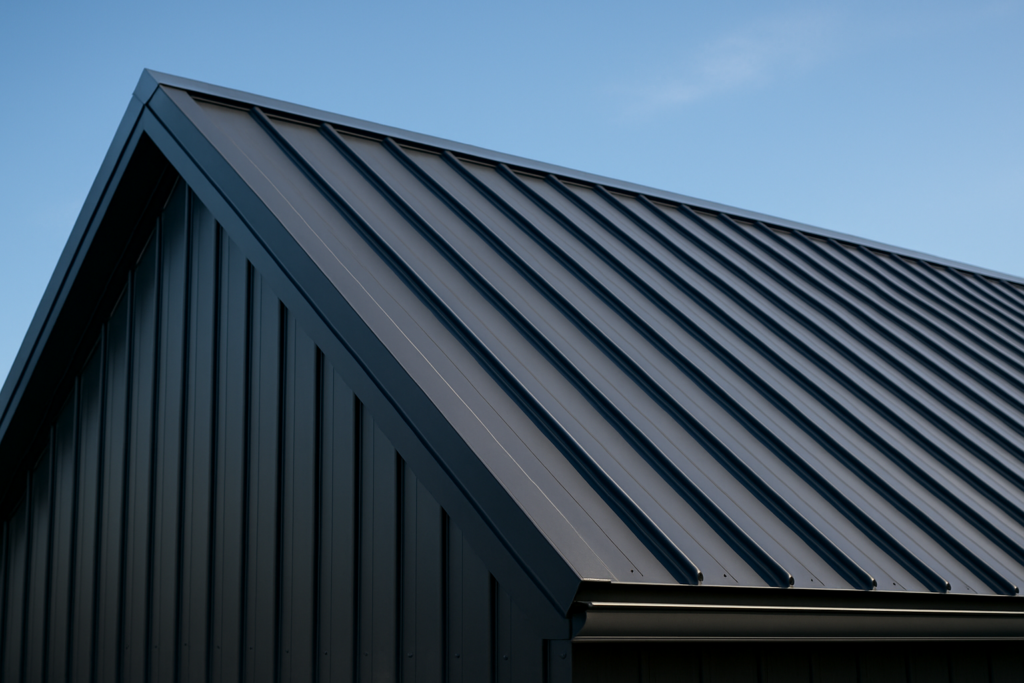
The longevity of a metal roof largely depends on the type of metal used. Common materials include steel, aluminum, copper, and zinc. Steel and aluminum are the most prevalent, offering a balance of durability and cost-effectiveness. Copper and zinc, while more expensive, provide exceptional durability and aesthetic appeal.
Each material has its own lifespan, with steel roofs typically lasting 40-70 years, aluminum roofs 50 years, and copper and zinc potentially enduring over a century. The choice of material should consider not only your budget but also the specific environmental factors of the San Gabriel Valley, such as sun exposure and humidity levels.
For those interested in comparing the **benefits of different roofing materials**, the best materials for commercial roofs offer a detailed analysis, helping you choose the best option for your needs.
Installation Practices
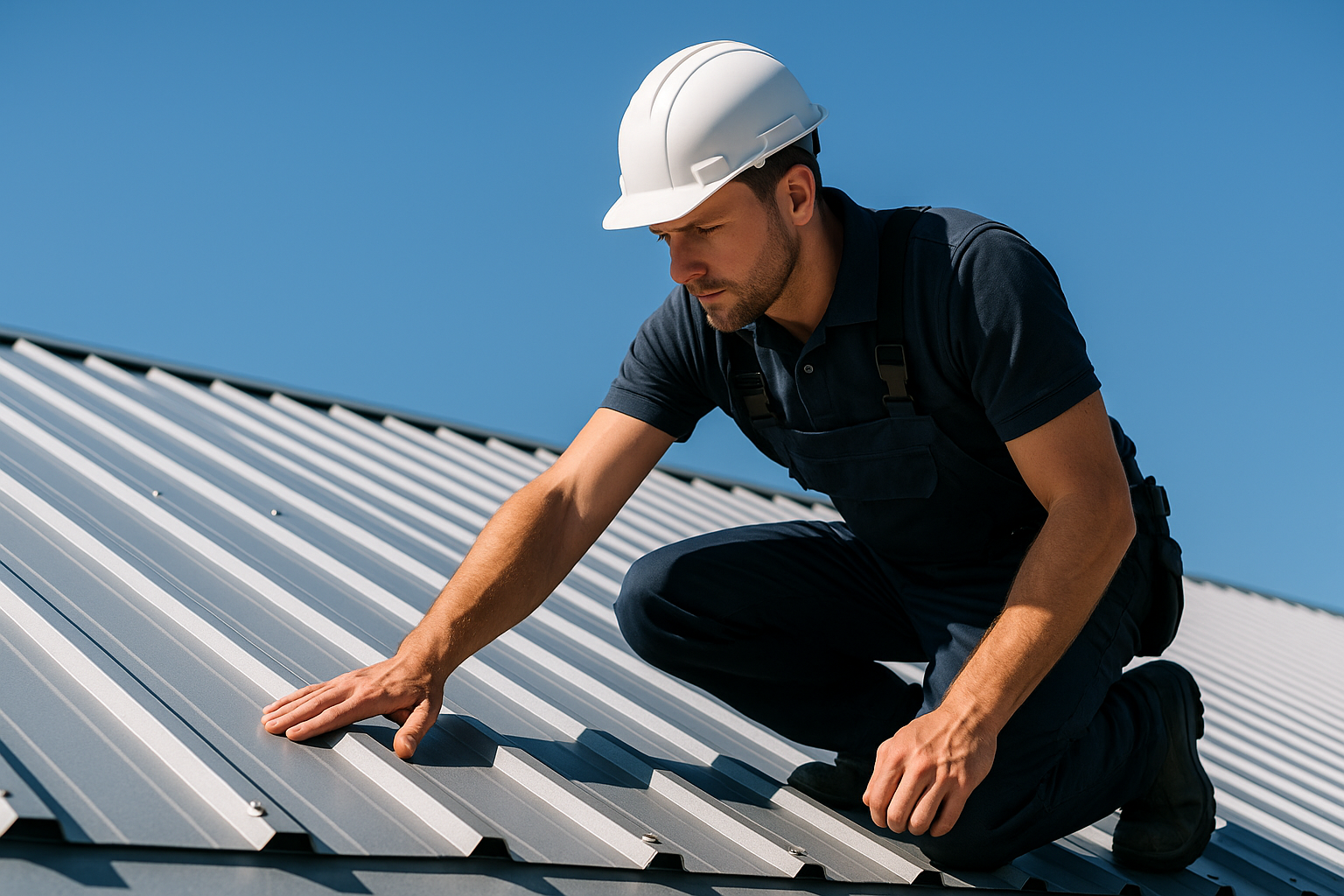
Proper installation is critical to maximizing the lifespan of a metal roof. Poor installation can lead to premature failures, such as leaks or panel misalignment. It is essential to hire experienced professionals who understand the unique requirements of metal roofing systems.
During installation, attention must be paid to securing fasteners correctly, ensuring proper ventilation, and using compatible underlayment materials. These factors help prevent common issues like condensation and thermal expansion, which can compromise the roof’s integrity over time.
For more insights into how installation affects durability, explore our article on the durability of metal roofing for commercial buildings.
Maintenance Requirements
Regular maintenance is essential for extending the life of a metal roof. While **metal roofing** is relatively low-maintenance compared to other materials, periodic inspections and cleaning can prevent minor issues from becoming major problems.
Maintenance tasks include removing debris, checking for loose fasteners, and inspecting for signs of corrosion or damage. These activities should be performed at least annually, or more frequently in areas with severe weather conditions.
To learn more about keeping your metal roof in optimal condition, read our guide on low maintenance metal roofing options.
Understanding Metal Roofing Warranties
Types of Warranties Available
Metal roofing warranties generally fall into two categories: material warranties and workmanship warranties. Material warranties cover defects in the roofing material itself, such as corrosion or paint failure, and typically last 20-50 years. Workmanship warranties, on the other hand, cover installation errors and are usually shorter, ranging from 2 to 10 years.
It’s important to understand the specifics of each warranty type, as they can vary significantly between manufacturers and contractors. Ensure you read and understand the terms to know what is covered and what might void the warranty.
For a deeper dive into how warranties can impact your roofing investment, consider our article on the importance of roof leak repair under warranty conditions.
Factors Affecting Warranty Coverage
Warranty coverage can be influenced by several factors, including the quality of installation, adherence to maintenance guidelines, and environmental conditions. For instance, failure to conduct regular maintenance or using incompatible materials during repairs can void the warranty.
Additionally, warranties often have specific exclusions, such as damage caused by natural disasters or modifications made after installation. Understanding these exclusions is crucial to ensuring you are fully protected.
To navigate these complexities, it’s beneficial to consult resources that explain how metal roofing benefits businesses through reliable warranties.
Comparing Warranty Terms
When evaluating warranties, it’s helpful to compare terms across different providers. The table below outlines some typical warranty terms for various metal roofing options:
| Material | Material Warranty | Workmanship Warranty |
|---|---|---|
| Steel | 40-50 Years | 5-10 Years |
| Aluminum | 30-50 Years | 5-10 Years |
| Copper | 50+ Years | 5-10 Years |
| Zinc | 50+ Years | 5-10 Years |
Understanding these terms can help you make an informed decision and ensure you choose a warranty that aligns with your needs and expectations. For additional insights, explore our comprehensive guide on commercial roofing types and their respective warranties.
Benefits of Metal Roofing Longevity
Energy Efficiency and Cost Savings
One of the significant benefits of **metal roofing longevity** is its impact on energy efficiency and cost savings. Metal roofs reflect solar radiant heat, which can reduce cooling costs by 10-25%. This energy efficiency is particularly advantageous in Southern California’s hot climate.
Over time, the reduced energy expenses can offset the initial investment in a metal roof. Additionally, many metal roofs are made from recycled materials and are 100% recyclable at the end of their life, adding to their environmental benefits.
To explore how metal roofing can enhance your home’s energy efficiency, visit our detailed article on metal roofing energy efficiency benefits.
Durability and Weather Resistance
**Metal roofing** is known for its exceptional durability and resistance to extreme weather conditions. It can withstand high winds, heavy snow, and is fire-resistant, making it an ideal choice for areas prone to wildfires.
This durability means that metal roofs require fewer repairs and have lower lifecycle costs compared to other roofing materials. Investing in a **metal roof** can protect your home from the elements while providing peace of mind.
For more information on the durability aspects of metal roofing, our article on asphalt and metal roof repair materials offers an insightful comparison.
Enhancing Property Value
Installing a metal roof can significantly enhance your property’s value. With its long lifespan and minimal maintenance requirements, metal roofing is an attractive feature for potential buyers. It also offers aesthetic versatility, with various styles and colors available to suit different architectural designs.
Homeowners can expect a return on investment of up to 85% on metal roofing, making it a financially sound choice. This value enhancement is particularly relevant for those considering selling their property in the future.
For a deeper understanding of how metal roofing can improve your property’s value, you may want to explore the benefits of commercial metal roofing.
Frequently Asked Questions
How long does a metal roof typically last?
A metal roof can last anywhere from 40 to 70 years, depending on the material and maintenance. **Steel and aluminum** roofs usually last between 40-50 years, while **copper and zinc** can exceed 100 years.
What should I look for in a metal roofing warranty?
When reviewing a warranty, consider the duration of coverage, what is specifically covered, and any exclusions or conditions. Both material defects and installation workmanship should be included for comprehensive coverage.
How can I maintain my metal roof to ensure its longevity?
Regular maintenance involves inspecting for loose fasteners, cleaning debris, and checking for corrosion. It’s also important to address any repairs promptly and follow the manufacturer’s maintenance guidelines to prevent warranty voidance.
Are metal roofs suitable for all climates?
**Metal roofs** are versatile and can perform well in various climates. They are particularly beneficial in hot regions like Southern California due to their reflective properties, which help in reducing cooling costs.
Conclusion
Understanding **metal roofing longevity and warranties** is essential for making an informed decision when selecting a roofing material. With their long lifespan, energy efficiency, and minimal maintenance requirements, metal roofs offer significant advantages. By choosing the right materials and ensuring proper installation and maintenance, homeowners can enjoy the benefits of a durable and reliable roofing system for decades. For more comprehensive insights into roofing options, visit our commercial roofing page.