
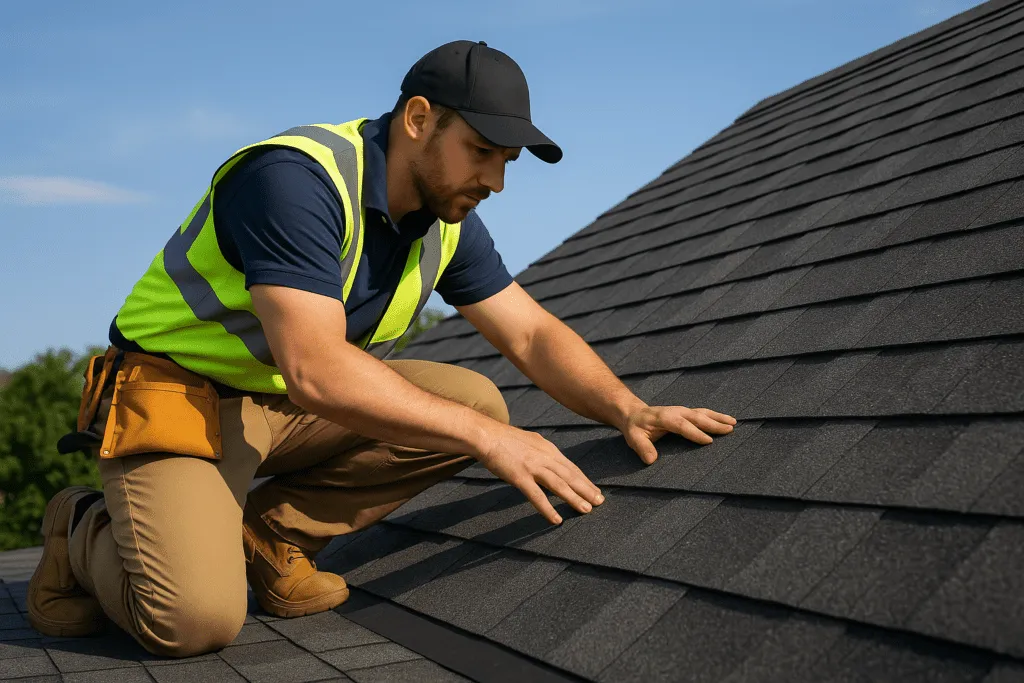
Understanding How Poor Roof Installation Can Significantly Reduce Long-Term Durability and Performance
When it comes to your roof, ensuring a proper installation is crucial for its longevity and performance. You might wonder, how can poor installation impact the long-term durability of my roof? From increased susceptibility to weather damage to premature wear and tear, improper installation can lead to a host of issues. This article will delve into the critical ways that poor roofing practices can affect your roof’s lifespan and performance, particularly in the variable climate of Southern California.

Key Takeaways
- Poor roof installation can lead to significant long-term damage and reduced performance.
- Proper installation techniques are vital to withstand California’s climate challenges.
- Regular maintenance and inspections are crucial for identifying and rectifying installation issues early.
- Investing in quality installation can prevent costly repairs and extend your roof’s lifespan.
- Understanding the impact of poor installation helps in making informed decisions about roofing services.
Common Roofing Installation Mistakes and Their Consequences
Improper Material Selection
Choosing the wrong materials for your roof is a common installation mistake that can severely affect its durability. In Southern California, where temperatures can soar, using materials not suited for high heat can lead to premature deterioration. Asphalt shingles, for example, may not perform as well as more heat-resistant materials like metal or clay tiles. This selection error can result in frequent leaks and increased maintenance costs.
The key to avoiding this mistake is understanding the unique climate requirements of your area. Materials should be chosen based on their ability to withstand local weather conditions, providing both longevity and performance. Consulting with professionals on the durability of commercial roofing options can help you make informed decisions.
Poor Sealing and Flashing
Sealing and flashing are critical components that protect your roof from water infiltration. Poor sealing can allow moisture to penetrate, leading to rot and mold. Flashing, particularly around chimneys and vents, needs to be expertly installed to prevent leaks. Inadequate flashing can cause water to seep into the interior of your property, causing significant damage over time.
Regular inspections can help identify issues with sealing and flashing before they become major problems. It’s essential to address these issues promptly by utilizing roof leak repair services to maintain the roof’s integrity and performance. Ensuring proper installation from the start can save you from potential headaches and costly repairs.
Inadequate Ventilation
Proper ventilation is often overlooked during the installation process, yet it’s vital for the health of your roof. Without adequate ventilation, heat and moisture can become trapped, leading to damage such as warping, mold growth, and decreased efficiency of your insulation. This is particularly crucial in the hot, sunny climate of Southern California where heat buildup can be significant.
To ensure your roof remains durable and performs optimally, consider consulting with experts about metal roofing installation services, which often incorporate advanced ventilation solutions. Proper ventilation not only extends the lifespan of your roof but also contributes to a more energy-efficient home.
Economic Impacts of Poor Roof Installation
Increased Maintenance and Repair Costs
One of the most immediate impacts of poor installation is the increased need for maintenance and repairs. A roof that was not installed correctly is more prone to issues like leaks, shingle blow-offs, and structural damage. These problems can quickly escalate, requiring frequent repairs that add up over time.
Consider the following comparison of potential costs associated with poor versus proper installation:
| Installation Quality | Average Repair Frequency | Estimated Annual Repair Costs |
|---|---|---|
| Poor Installation | 2-3 times per year | $1,500 – $3,000 |
| Proper Installation | 1 time every 3-5 years | $500 – $1,000 |
Investing in high-quality installation can significantly reduce these costs. For instance, understanding the cost of commercial roofing installation can help you allocate your budget effectively and avoid future financial burdens.
Decreased Property Value
A poorly installed roof can also detract from your property’s overall value. When potential buyers assess a home, the condition of the roof is one of the first things they consider. A roof that shows signs of premature aging or frequent repairs can be a red flag, potentially lowering the property’s market value.
Ensuring that your roof is installed correctly not only protects your investment but can also enhance your home’s curb appeal and value. If you’re considering selling your property, investing in a quality roofing installation can be a worthwhile endeavor to maximize your return on investment.
Business Disruption
For commercial properties, the economic impacts of poor roof installation can be even more severe. Frequent repairs and leaks can disrupt business operations, leading to revenue loss and damage to inventory. In severe cases, a compromised roof might necessitate temporary closures, further impacting your bottom line.
To prevent such disruptions, it’s crucial to recognize the signs of roof damage early and address them proactively. By ensuring a high-quality installation from the outset, you can minimize the risk of business interruptions and maintain a safe, functional environment for employees and customers.
How to Avoid Poor Roof Installation
Selecting the Right Contractor
Choosing the right contractor is the first step in ensuring a successful roof installation. Look for contractors with a proven track record and positive customer reviews. They should have experience with the specific roofing materials suited for your region’s climate, such as those discussed in commercial roofing types.
- Verify the contractor’s licenses and insurance.
- Request references and follow up on them.
- Ensure they provide a comprehensive warranty on both labor and materials.
These steps can help protect you from the pitfalls of poor installation and ensure your roof is built to last.
Ensuring Proper Installation Techniques
Understanding the installation process can also empower you to make informed decisions. Familiarize yourself with the basic steps involved in a proper installation, such as underlayment application, shingle alignment, and nailing techniques. Knowledge in these areas enables you to have meaningful discussions with your contractor and ensure that the installation adheres to industry standards.
Consider learning more about flat roof solutions and understanding the specific requirements for your chosen roofing type. This knowledge can help you oversee the project effectively and ensure it meets both your expectations and safety standards.
Regular Inspections and Maintenance
Even with the best installation, regular inspections and maintenance are crucial for long-term durability. Schedule annual inspections to catch any potential issues before they become major problems. This proactive approach can help maintain your roof’s health and extend its lifespan.
Maintenance practices such as clearing debris, checking for loose or damaged shingles, and ensuring proper drainage can prevent costly repairs. For more detailed advice on maintaining your roof, explore preventative maintenance practices that can save you time and money in the long run.
Frequently Asked Questions
How does poor roof installation affect energy efficiency?
Poor installation can significantly reduce energy efficiency by allowing air leaks and insufficient insulation. This can lead to higher energy bills as your HVAC system works harder to maintain a consistent indoor temperature.
What are the signs of a poorly installed roof?
Common signs include uneven shingle lines, frequent leaks, loose or missing shingles, and water pooling on flat roofs. If you notice these issues, it may be time to consult a professional for an inspection.
Can a poorly installed roof be fixed, or does it need replacement?
Depending on the extent of the issues, a poorly installed roof can sometimes be repaired. However, severe cases may require a complete replacement to ensure long-term durability and performance. It’s best to seek expert advice to determine the appropriate course of action.
What is the average lifespan of a roof with proper installation?
With proper installation and maintenance, most roofs can last between 20 to 50 years, depending on the materials used. Metal roofs, for instance, can last longer than asphalt shingles when installed correctly.
Conclusion
Understanding how poor installation can impact the long-term durability of your roof is crucial for protecting your investment and ensuring your property’s safety and value. By selecting the right materials, hiring qualified contractors, and prioritizing regular maintenance, you can significantly extend your roof’s lifespan and performance. Remember, investing in quality installation today can save you from costly repairs and disruptions in the future. For more information on ensuring your roof is properly installed, visit our commercial roofing services page.
