Comparing Maintenance Requirements for Popular Commercial Roofing Materials: A Comprehensive Guide
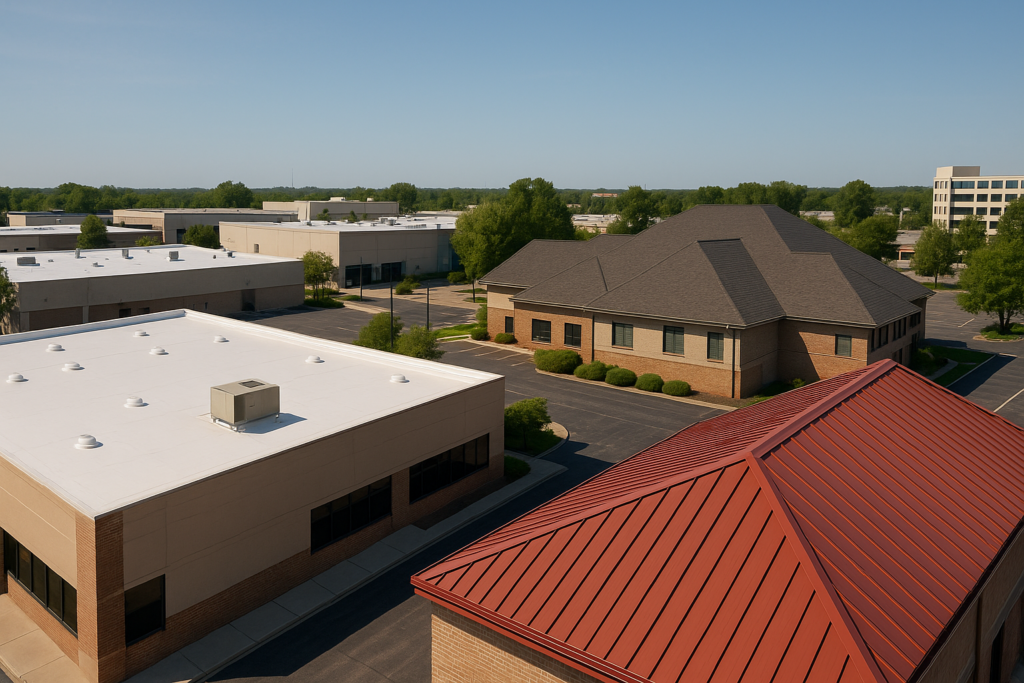
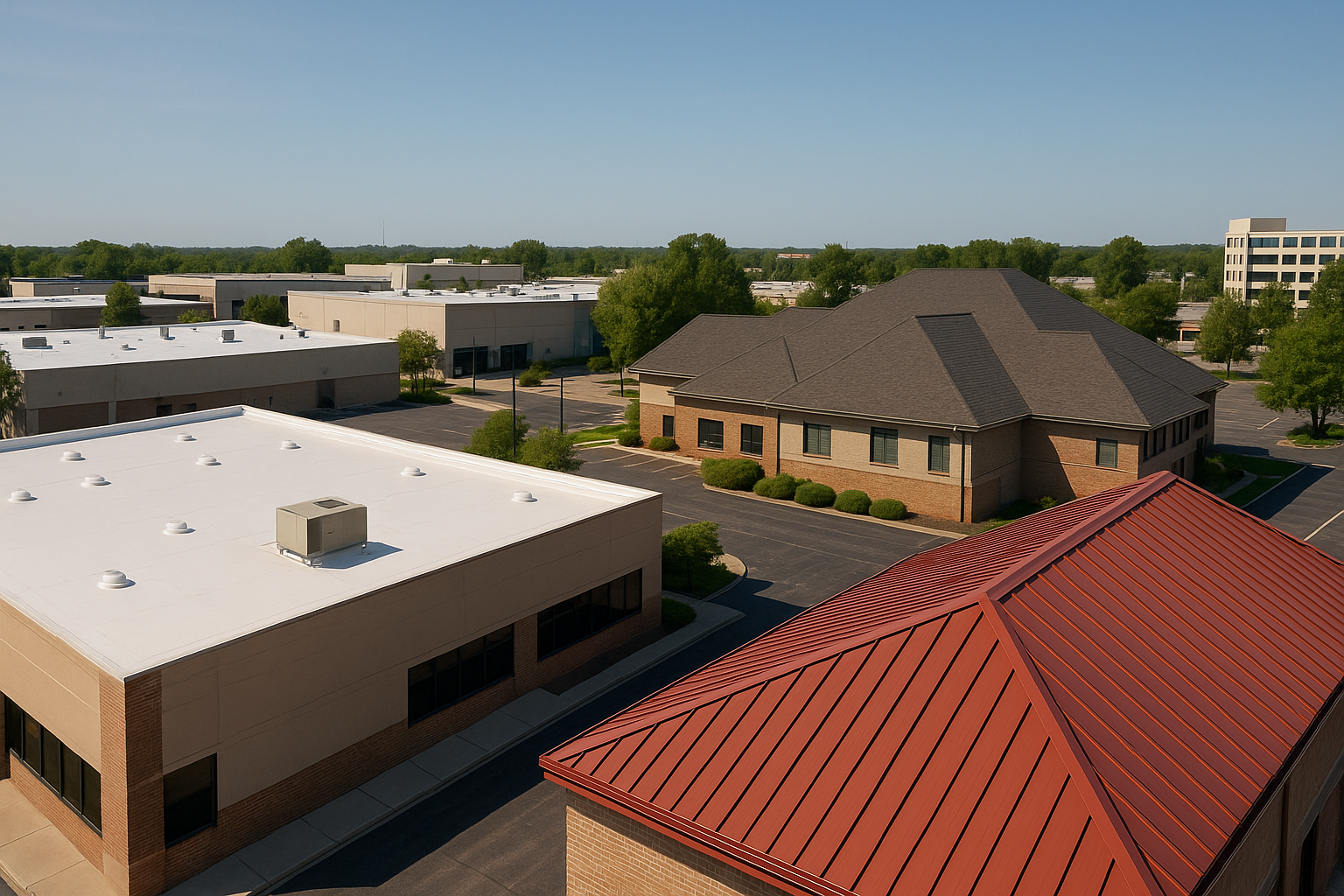
When choosing a commercial roofing system, understanding how maintenance requirements differ among various materials is crucial for long-term cost efficiency and durability. In this comprehensive guide, we explore the **maintenance requirements for popular commercial roofing materials** and provide actionable advice for business owners in the San Gabriel Valley. By the end, you’ll have a clear understanding of which roofing option best suits your maintenance needs and budget.
Key Takeaways
- Different roofing materials have distinct maintenance needs, impacting long-term costs.
- Metal roofs require less frequent maintenance but need regular checks for rust.
- TPO roofs are economical but require professional inspections for seam integrity.
- Asphalt roofing is low-cost but demands regular maintenance to prevent leaks.
- Choosing the right material affects energy efficiency and insurance costs.
- Understanding maintenance differences can prevent costly repairs and extend roof life.
Comparing Maintenance Needs of Popular Roofing Materials
Metal Roofing
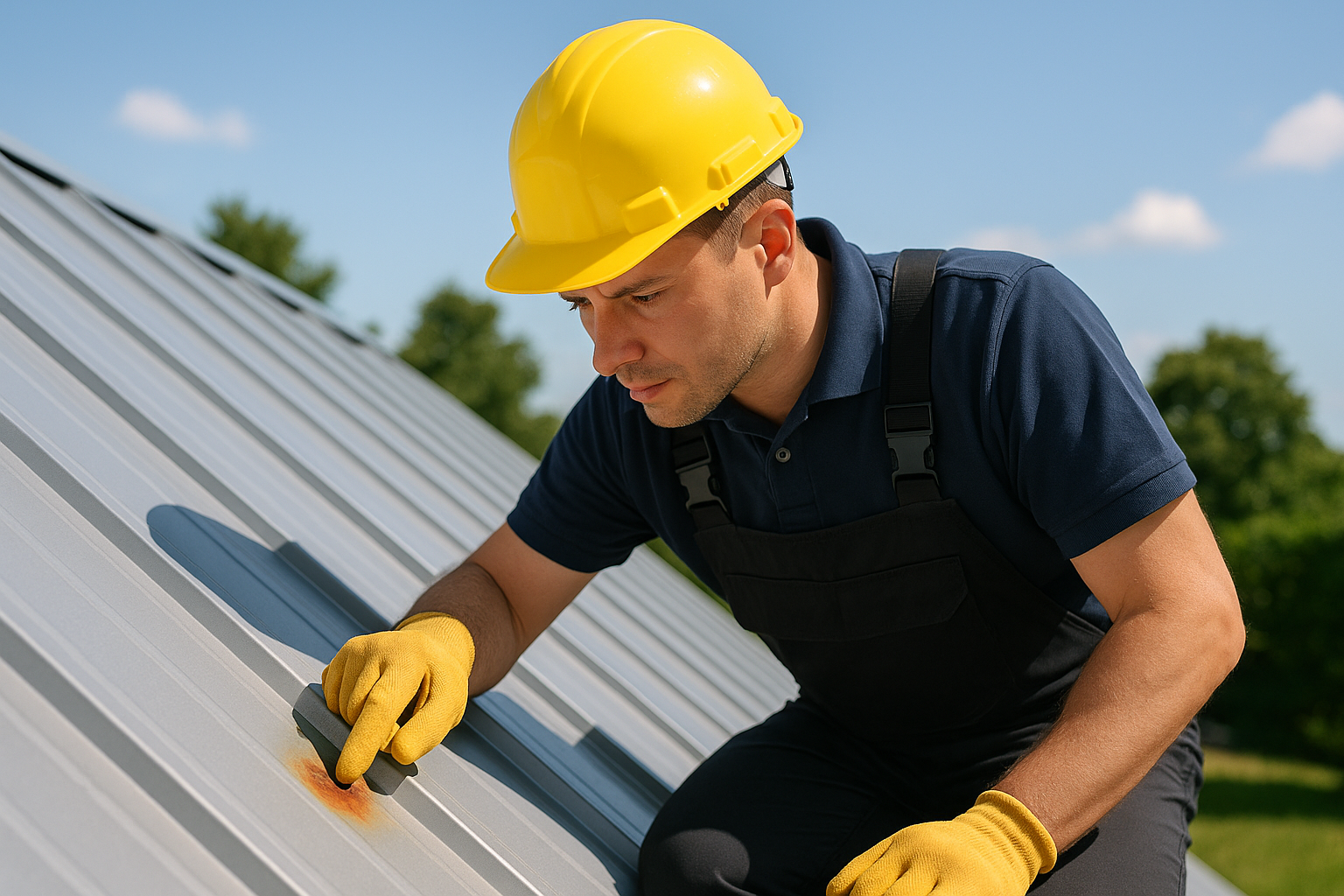
**Metal roofing** is renowned for its durability and longevity, often lasting 40-70 years. It requires minimal maintenance compared to other materials, making it a popular choice among commercial property owners. However, in Southern California’s climate, you should be vigilant about checking for rust and corrosion, especially after wet seasons.
To maintain a metal roof, conduct bi-annual inspections focusing on damaged panels and fasteners. You should also ensure that any coatings are intact to prevent oxidation. **Regular maintenance** can help prevent issues that might lead to more significant repairs down the line.
TPO Roofing
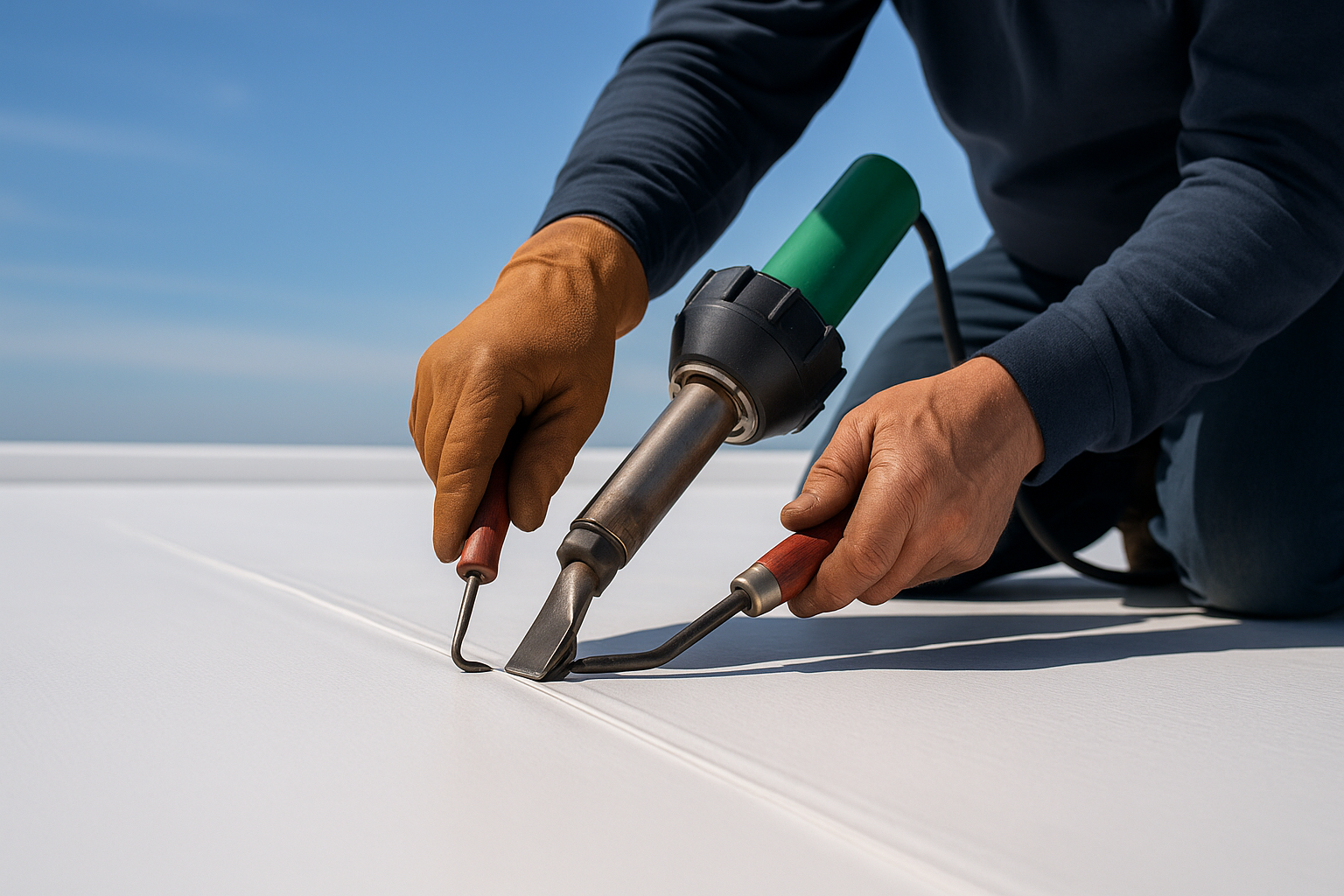
Thermoplastic Olefin (**TPO roofing**) is a cost-effective and environmentally friendly option. It requires regular inspections to ensure the seams remain sealed, especially given the sun exposure in regions like Southern California. TPO roofs are susceptible to punctures and tears, particularly in high-traffic areas.
Maintenance involves checking the seams, cleaning the surface to prevent debris buildup, and repairing any tears promptly. It’s advisable to have a professional inspection twice a year to catch any potential issues early. Learn more about preventive maintenance strategies to keep your TPO roof in top condition.
Asphalt Roofing
Asphalt shingles are a traditional choice for commercial roofing, offering a balance of cost-effectiveness and reliability. However, they require more frequent maintenance compared to metal and TPO. **Regular maintenance** includes checking for missing or damaged shingles, especially after storms, which are common in Southern California.
Inspections should occur at least once every season, and repairs should be done promptly to prevent leaks. Keeping gutters clean and ensuring proper ventilation can also prolong the lifespan of an asphalt roof. For detailed guidance, explore our roof leak repair tips.
Cost Implications of Maintenance
Long-Term Costs
The **maintenance requirements** of different roofing materials directly impact long-term costs. Metal roofs, while more expensive upfront, save on maintenance because they require less frequent attention. In contrast, asphalt roofs, while cheaper initially, may incur higher maintenance expenses over time due to their susceptibility to damage.
Consider a typical maintenance cost comparison:
| Material | Initial Cost | Annual Maintenance Cost |
|---|---|---|
| Metal | $7-$12 per sq. ft. | $0.10-$0.30 per sq. ft. |
| TPO | $5-$8 per sq. ft. | $0.50-$0.80 per sq. ft. |
| Asphalt | $3-$6 per sq. ft. | $0.30-$0.50 per sq. ft. |
Understanding these costs can help you plan better and choose a material that aligns with your long-term financial strategy. For more insights, consider the cost differences between rubber and metal roofing.
Insurance and Warranty Considerations
Insurance requirements can also be influenced by the type of roofing material. Metal roofs might qualify for reduced premiums due to their resistance to fire and wind damage. Conversely, TPO and asphalt might have higher premiums due to their maintenance needs.
It’s essential to understand the insurance requirements for commercial roofing projects to ensure compliance and optimize costs. A solid warranty can also mitigate long-term expenses, so consider warranty terms when selecting a roofing material.
Energy Efficiency and Maintenance
Energy efficiency is another critical factor influenced by roofing materials. Metal roofs, with their reflective surfaces, can significantly reduce cooling costs in sunny climates like Southern California. TPO roofs also offer energy-saving benefits due to their reflective properties.
Asphalt roofs, however, absorb more heat, potentially increasing cooling costs. Regular maintenance, such as ensuring cool roof coatings remain effective, is necessary to maintain energy efficiency. For more about energy-efficient roofing, explore our guide on energy-efficient roofing types.
Practical Maintenance Tips for Commercial Roofs
Inspection and Repair Tips
Regular inspections are vital for maintaining the integrity of your commercial roof. Here are some practical tips:
- Schedule inspections at least twice a year, ideally in spring and fall.
- After severe weather, conduct an additional check for damage.
- Focus on seams, fasteners, and areas with potential water pooling.
- Address minor issues immediately to prevent major damage.
For a comprehensive understanding of what inspections entail, visit our article on commercial roofing inspection requirements.
Preventive Maintenance Strategies
Implementing preventive maintenance can significantly extend the lifespan of your roof. Here are some strategies:
Regular cleaning to remove debris and prevent water pooling is essential. Ensure that drainage systems are clear and functional. In addition, applying protective coatings can enhance the roof’s resistance to environmental stressors. For more detailed tips, check out our guide on preventive maintenance practices.
Choosing the Right Maintenance Plan
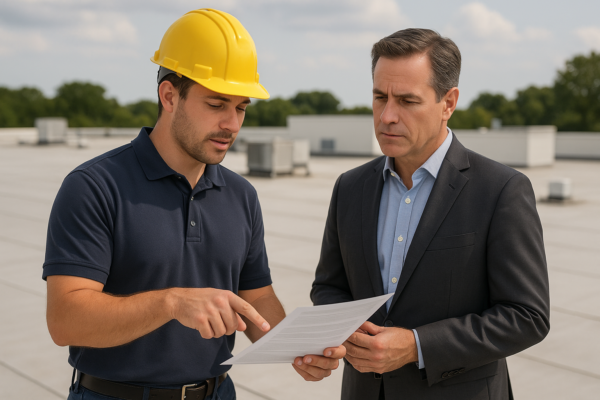
Selecting a maintenance plan tailored to your roofing type can save you time and money. For metal roofs, a bi-annual inspection plan focusing on corrosion and fastening systems is ideal. TPO roofs benefit from plans that emphasize seam integrity and puncture repairs.
Asphalt roofs require more frequent maintenance plans that include shingle replacement and leak prevention. To learn more about tailoring a maintenance plan, see our insights on the importance of regular maintenance.
Frequently Asked Questions
How often should commercial roofs be inspected?
Commercial roofs should be inspected at least twice a year, in spring and fall. Additional inspections are recommended after severe weather events to address any immediate issues.
What are the most common maintenance issues for TPO roofing?
The most common issues with TPO roofing include seam failures, punctures, and debris buildup. Regular professional inspections are necessary to address these concerns promptly.
Is preventive maintenance worth the investment for commercial roofs?
Yes, preventive maintenance is a valuable investment as it helps identify and resolve minor issues before they become major problems, ultimately saving money and extending the roof’s lifespan.
Can I perform maintenance on my commercial roof myself?
While basic visual inspections can be done by property owners, professional maintenance is recommended to ensure thorough and safe assessments, especially for repairs and in-depth inspections.
Conclusion
Understanding **how maintenance requirements compare among various commercial roofing materials** is essential for making informed decisions that align with your business’s goals. Metal, TPO, and asphalt roofing each offer unique benefits and challenges. By evaluating maintenance needs, long-term costs, and energy efficiency, you can choose the right roofing material for your commercial property. For comprehensive support and expert services, consider visiting our commercial roofing page for more information.