Understanding Installation Times: How Different Commercial Roofing Systems Compare
When planning a new commercial roofing project, one crucial factor to consider is how installation times vary among different types of commercial roofing systems. The choice of roofing material can significantly influence not only the duration of the installation but also the overall cost and efficiency of your project. In this article, we delve into the specifics of installation times for various roofing systems, offering insights that will aid you in making an informed decision for your business property.
Key Takeaways
- The type of commercial roofing system greatly affects installation time, impacting project timelines and costs.
- Factors such as weather conditions and roof complexity can further influence how long installations take.
- Membrane roofing systems like TPO and EPDM generally offer faster installation compared to metal or built-up roofing systems.
- Understanding installation times helps in planning and managing expectations for commercial building projects.
- Consulting with local experts can provide tailored advice based on regional climate and building type.
Factors Affecting Installation Times
Material Type and Complexity
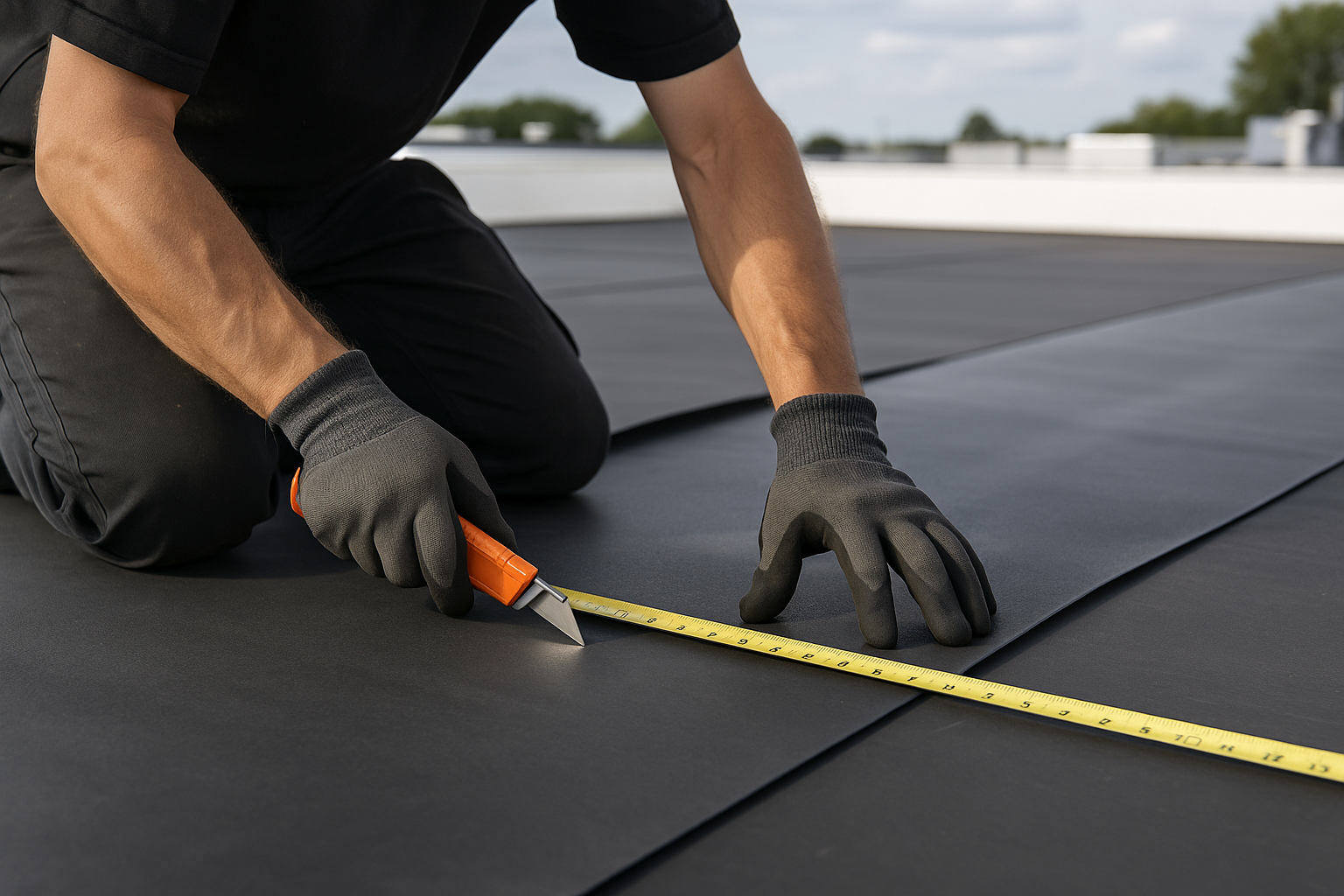
The material you choose for your commercial roof is a primary determinant of installation time. **Membrane roofing systems** such as TPO (Thermoplastic Polyolefin) and EPDM (Ethylene Propylene Diene Monomer) are popular for their relatively quick installation processes. These materials are lightweight and flexible, allowing for faster deployment compared to heavier and more labor-intensive materials.
For instance, installing a TPO roof on a 10,000 square foot building can typically be completed in about 3 to 5 days, assuming favorable weather conditions. In contrast, **metal roofing systems**, known for their durability and energy efficiency, can take up to two weeks or more due to the precision required in cutting and fastening metal panels.
The complexity of the roof design also plays a role. Flat roofs generally allow for quicker installations than pitched roofs, which require additional safety measures and more detailed labor.
Weather Conditions and Seasonality
Weather is a significant factor in determining installation times for commercial roofing systems. In Southern California, where the climate is typically mild, roofing projects can proceed year-round without major interruptions. However, even in this region, unexpected rain or extreme heat can delay progress.
California’s dry season, generally from late spring to early fall, provides optimal conditions for roofing installations. During this period, **roofing contractors** can work more efficiently and safely, minimizing potential delays. It is advisable to schedule roofing projects during these months to ensure a smoother process.
For more insights on how weather can affect your roofing project, explore our guide on extreme weather impacts on commercial roofing.
Labor Availability and Expertise
Another critical factor impacting installation times is the availability and expertise of labor. Skilled roofing professionals are essential for ensuring high-quality installations within projected timelines. In areas like San Gabriel Valley, finding experienced contractors familiar with local building codes and climate considerations is crucial.
Labor shortages or high demand periods can extend installation times. During peak seasons, it may take longer to schedule your project, which is why early planning is recommended. Consider consulting local commercial roofing contractors to secure a reliable team well ahead of your intended start date.
Comparison of Installation Times for Popular Roofing Systems
TPO and EPDM Roofing Systems
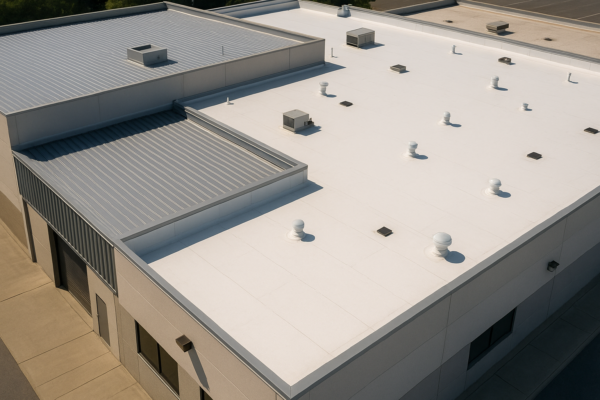
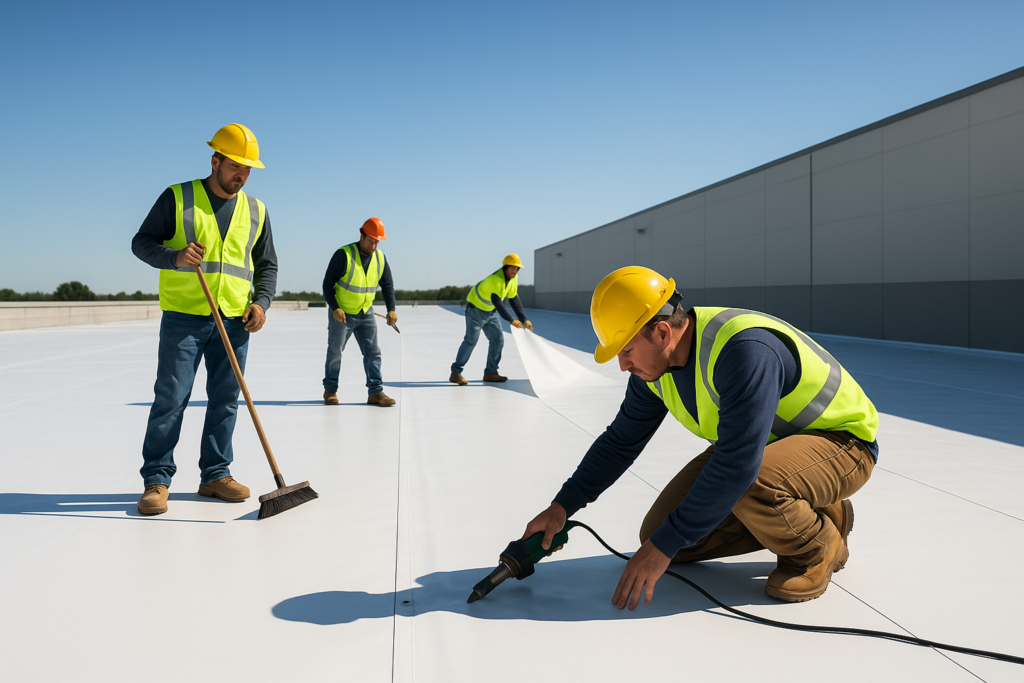
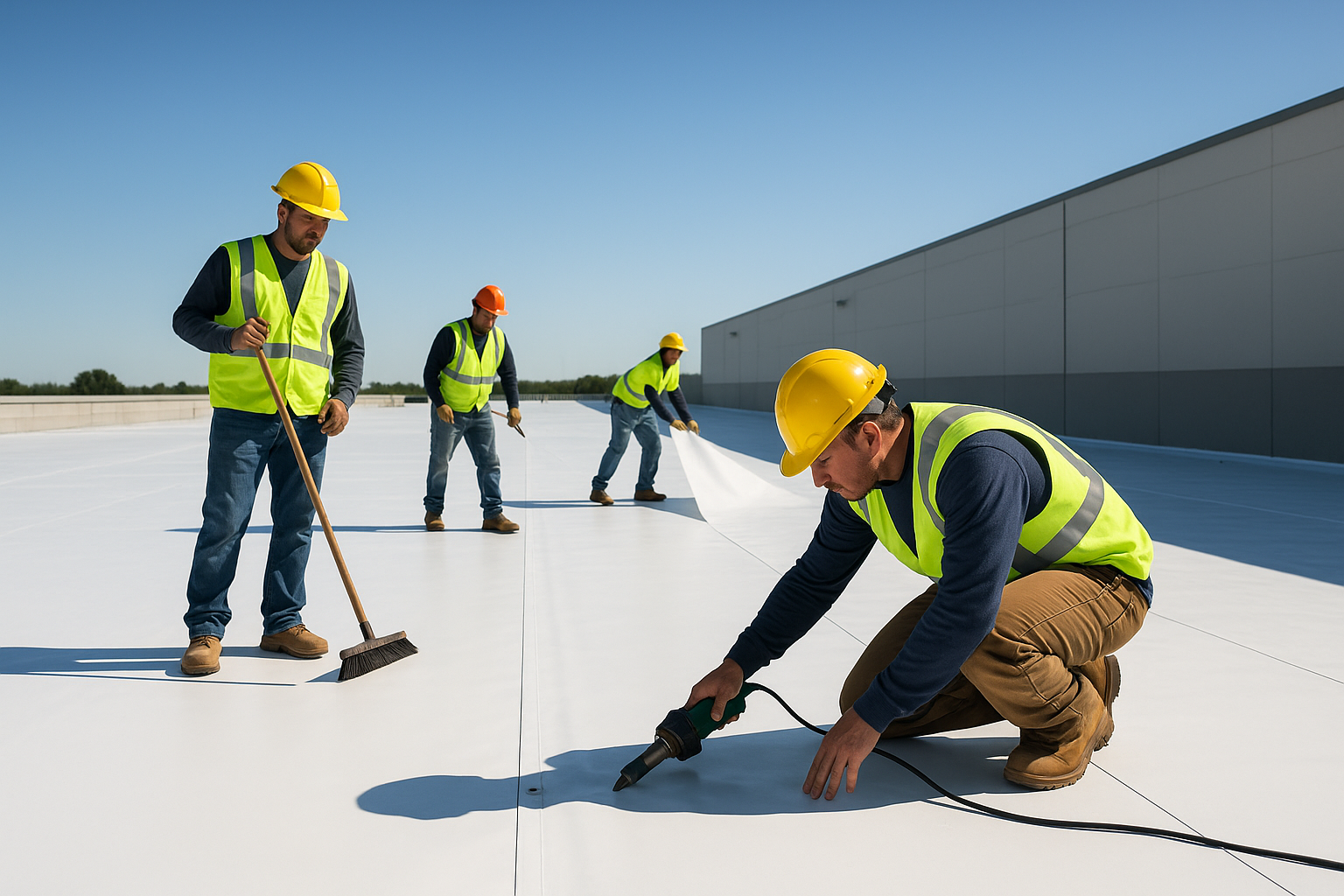
**TPO and EPDM roofing systems** are both membrane roofing options that are favored for their cost-effectiveness and relatively swift installation times. TPO roofs, in particular, are noted for their energy efficiency, reflecting sunlight and reducing cooling costs. Installation typically involves rolling out large sheets of membrane and securing them with heat welding or adhesives.
For a standard commercial building, TPO installation can range from 3 to 7 days, while EPDM may take slightly longer due to the need for seam taping. Both options provide excellent resistance to UV rays and weathering, making them ideal for the sunny Southern California climate.
For a detailed comparison of these materials, refer to our article on flat roofing options.
Metal Roofing Systems
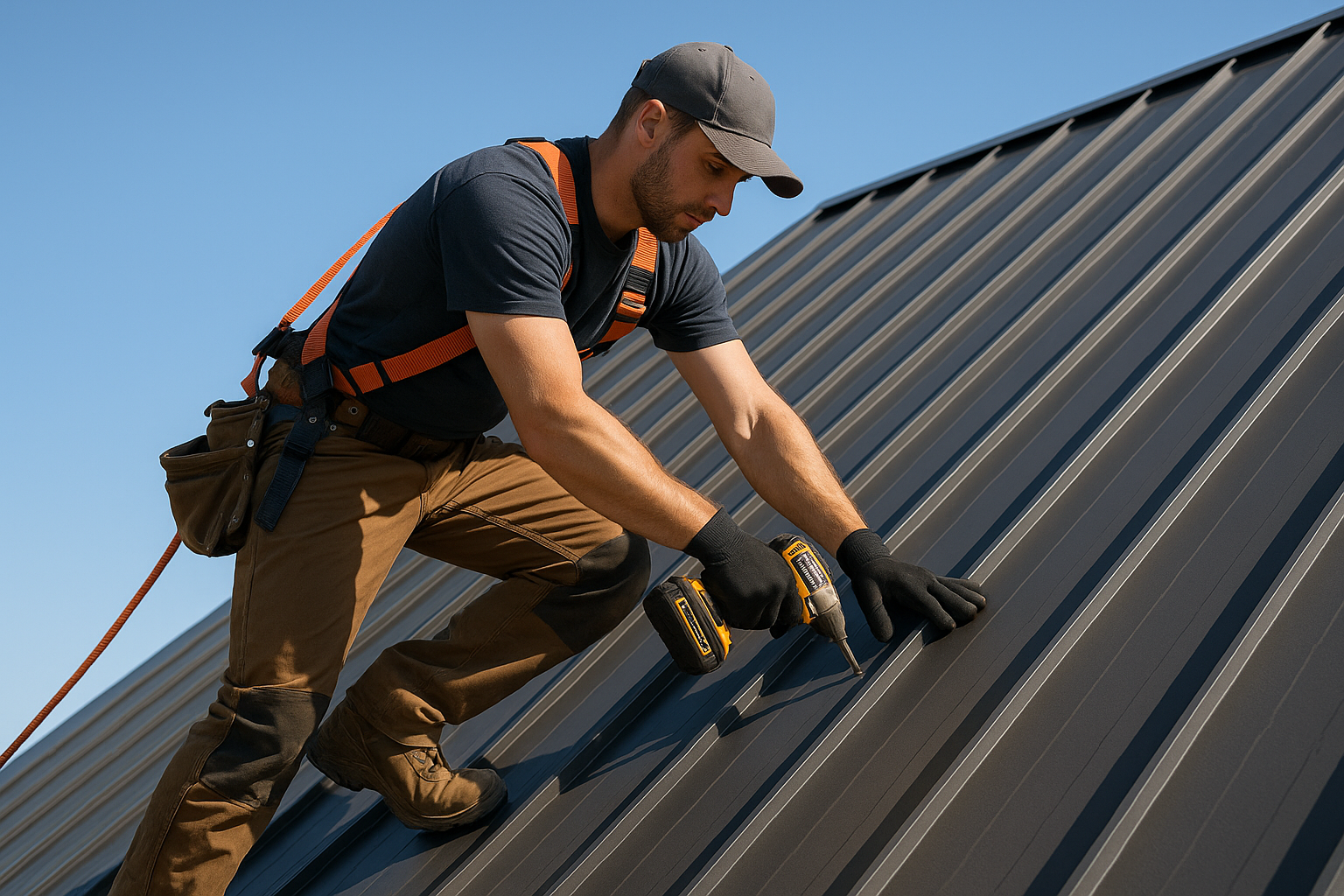
**Metal roofing systems** offer a long lifespan and are an excellent choice for commercial properties seeking durability and energy efficiency. However, their installation is more complex, requiring precise panel alignment and secure fastenings, which can extend the installation period to 2-4 weeks depending on the roof size and design complexity.
Metal roofs are highly resistant to fire, wind, and hail, making them a sound investment despite the longer installation time. The initial cost is often higher, but long-term savings on maintenance and energy make it worthwhile. For more insights on costs, explore our detailed article on cost differences between roofing types.
To learn more about the benefits of metal roofing, see our comprehensive guide on metal roofing benefits for businesses.
Built-Up Roofing (BUR) Systems
Built-Up Roofing (BUR) systems are traditional multi-layered roofing options known for their durability. The installation involves alternating layers of bitumen and reinforcing fabrics, creating a heavy and durable surface. This method is labor-intensive and can take anywhere from 2 to 3 weeks to complete, depending on the roof size and crew efficiency.
Despite the longer installation time, BUR systems provide excellent protection against UV radiation and water penetration, making them a reliable choice for buildings in harsh weather environments. However, in the temperate climate of Southern California, lighter and quicker options like TPO might be more suitable.
Understanding the installation process and the benefits of each system can help in planning your project effectively. For a thorough breakdown of commercial roofing types, visit our guide to commercial roofing types.
Installation Time Comparison Table
| Roofing System | Average Installation Time | Key Benefits |
|---|---|---|
| TPO | 3-7 days | Energy efficiency, quick installation |
| EPDM | 5-10 days | Cost-effective, weather-resistant |
| Metal | 2-4 weeks | Durability, energy savings |
| BUR | 2-3 weeks | Durability, UV protection |
Frequently Asked Questions
What is the fastest roofing system to install for commercial buildings?
Membrane roofing systems like TPO and EPDM are generally the fastest to install due to their lightweight and straightforward application methods. TPO, in particular, can often be installed in as little as 3 to 7 days.
How can weather conditions affect my roofing installation timeline?
Weather plays a significant role in roofing projects. Adverse conditions such as rain or excessive heat can delay installations. In Southern California, planning your project during the dry season can help mitigate weather-related delays.
Are there any hidden costs associated with longer installation times?
Longer installation times can increase labor costs and potentially extend the duration of project-related disruptions. For a deeper understanding of potential hidden costs, you can explore our article on hidden costs in commercial roofing projects.
How can I ensure the longevity of my commercial roof post-installation?
Post-installation maintenance is key to ensuring the longevity of your commercial roof. Regular inspections and timely repairs can prevent minor issues from escalating into significant problems. For comprehensive maintenance tips, visit our page on roof leak repair services.
Conclusion
Understanding how installation times vary among different types of commercial roofing systems is crucial for effective project planning and budgeting. Each roofing material presents unique benefits and challenges, and the choice depends on your specific needs, budget, and timeline. Consulting with experts at Roof Titan can provide personalized guidance tailored to your business’s requirements. Whether you prioritize speed, durability, or cost, being informed will help you make the best decision for your commercial property.