How to Inspect Your Roof for Urgent Repairs: A Step-by-Step Guide
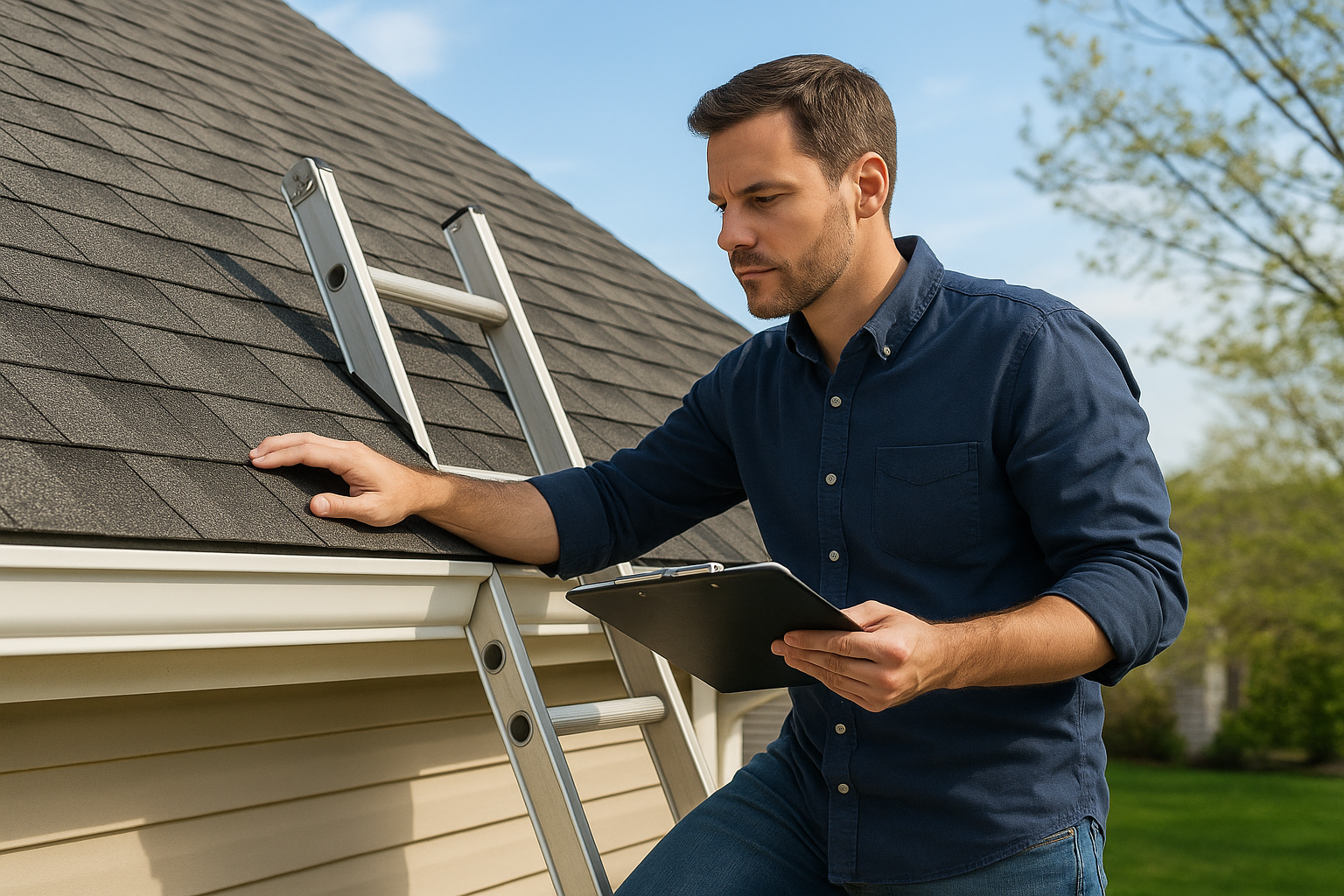
As a homeowner in the San Gabriel Valley, understanding **how to determine if your roof needs immediate repair** is crucial for protecting your investment. The region’s unique climate can take a toll on your roof, making regular inspections essential. This guide provides a comprehensive approach to determining when your roof requires urgent repairs, ensuring your home remains safe and dry.
Key Takeaways
- Regular roof inspections are essential to identify **urgent repair** needs early.
- Look for specific signs of damage like missing shingles, leaks, and granule loss.
- Learn **how to determine if your roof needs immediate repair** by assessing damage severity.
- Understand the cost implications and options for addressing various roofing issues.
- Consult professionals for a detailed evaluation and repair plan.
Signs Your Roof Needs Immediate Attention
Identifying Visible Damage
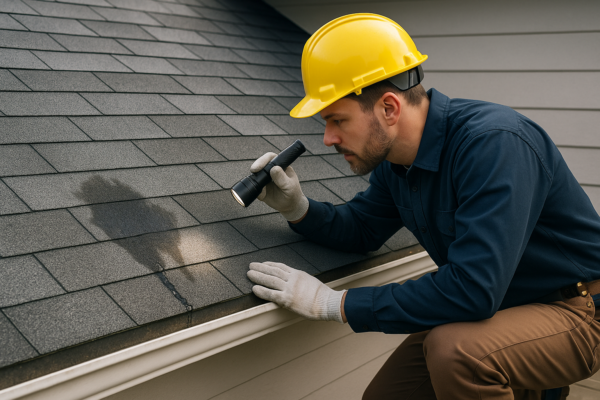
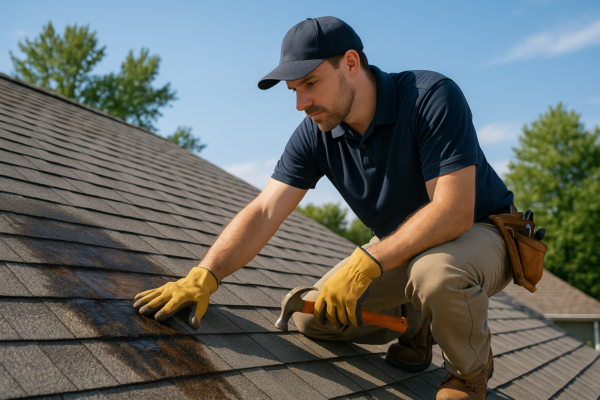
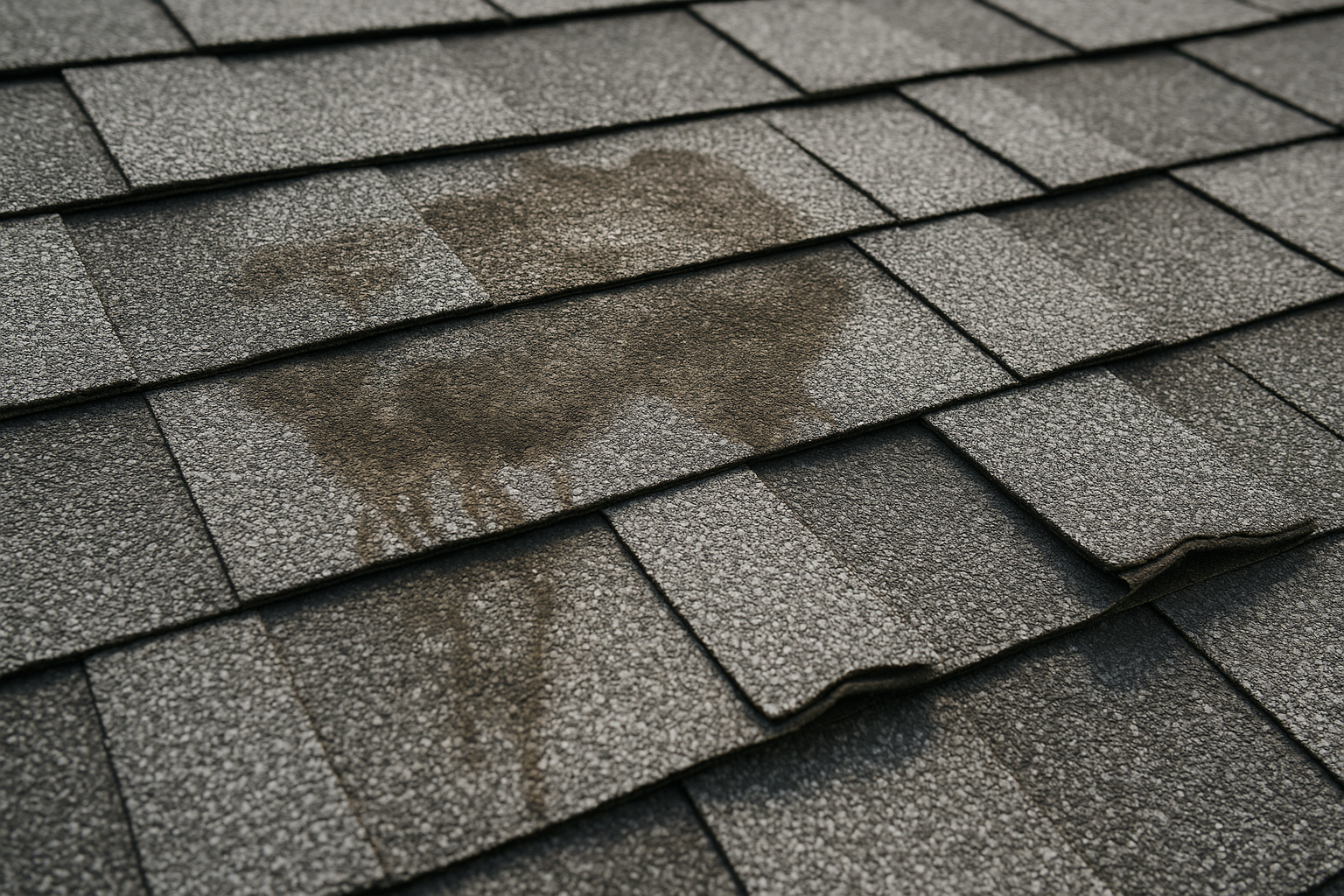
Visible damage is often the first indication that your roof requires urgent attention. Key signs include missing or cracked shingles, which can lead to leaks and further damage if not addressed promptly. In **Southern California**, intense sunlight can cause shingles to become brittle and crack over time.
Granule loss is another telltale sign; it’s common with older asphalt shingles. If you notice significant granule accumulation in your gutters, it might be time to consider a roof leak repair service. This not only affects the aesthetic but also reduces the shingles’ effectiveness in protecting your home.
Checking for Interior Leaks
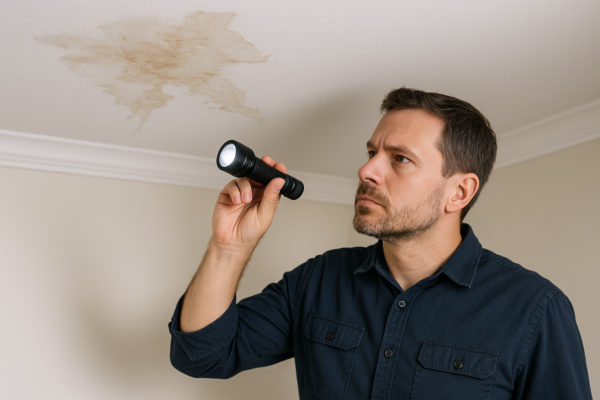
Interior leaks are a red flag that your roof may need immediate repair. Check your attic for signs of water damage, such as dark spots, mold, or a musty smell. These issues often indicate that water is penetrating your roofing material. Addressing these leaks swiftly can prevent costly damage to your home’s structure.
If you’ve discovered water spots on your ceiling, it’s crucial to take immediate action to mitigate damage. Ignoring these signs can lead to extensive repairs and higher costs down the line.
Assessing Roof Age and Material
The age and material of your roof play a significant role in its longevity and the likelihood of needing repairs. Asphalt shingles typically last 15-30 years, while metal and tile roofs can last significantly longer. If your roof is nearing the end of its expected lifespan, frequent inspections are essential to avoid unexpected failures.
For businesses, different commercial roofing types have varied lifespans and maintenance needs. Understanding these differences can help you plan and budget for necessary repairs or replacements, ensuring your property remains protected.
Evaluating the Severity of Roof Damage
Severity vs. Urgency: Understanding the Difference
Not all roof damage requires immediate attention, but understanding the severity can help prioritize repairs. **How do you determine if your roof needs immediate repair**? Consider both the extent of the damage and the potential consequences of delay. A small leak might seem minor but can lead to significant water damage if ignored.
To assess urgency, evaluate whether the damage compromises the roof’s ability to protect your home. For example, extensive shingle loss can expose the underlayment, increasing the risk of leaks and structural damage. Consider consulting a professional for a detailed assessment, especially if you’re unsure about the severity.

Comparing Repair Costs and Solutions
Repair costs can vary significantly based on the type and extent of damage. Here’s a comparison of common roofing issues and their associated costs:
| Damage Type | Estimated Repair Cost | Time to Complete |
|---|---|---|
| Missing Shingles | $200 – $400 | 1-2 Days |
| Minor Leaks | $500 – $1,200 | 2-3 Days |
| Major Water Damage | $2,000 – $5,000 | 1-2 Weeks |
| Structural Repairs | $3,000 – $10,000 | 2-4 Weeks |
Understanding these costs can help you make informed decisions about whether to repair or replace your roof. For instance, extensive damage might make replacement a more cost-effective solution in the long run.
Practical Tips for Homeowners
To effectively manage your roof’s condition, consider these practical tips:
- Conduct bi-annual inspections, especially after severe weather conditions.
- Keep gutters clean to prevent water backup and roof damage.
- Trim overhanging branches to reduce the risk of limb breakage during storms.
- Regularly check for interior signs of leaks, such as water stains or mold.
These preventative measures can extend your roof’s life and minimize the need for urgent repairs. For more detailed strategies, explore common signs your roof needs repair and how you can address them proactively.
Frequently Asked Questions
What are the most common signs that my roof needs urgent repair?
Common indicators include missing shingles, interior leaks, granule loss, and visible sagging. Each of these issues can compromise your roof’s structural integrity and lead to more significant problems if not addressed promptly. For more information, read about the immediate actions to take when you discover a roof leak.
How often should I inspect my roof?
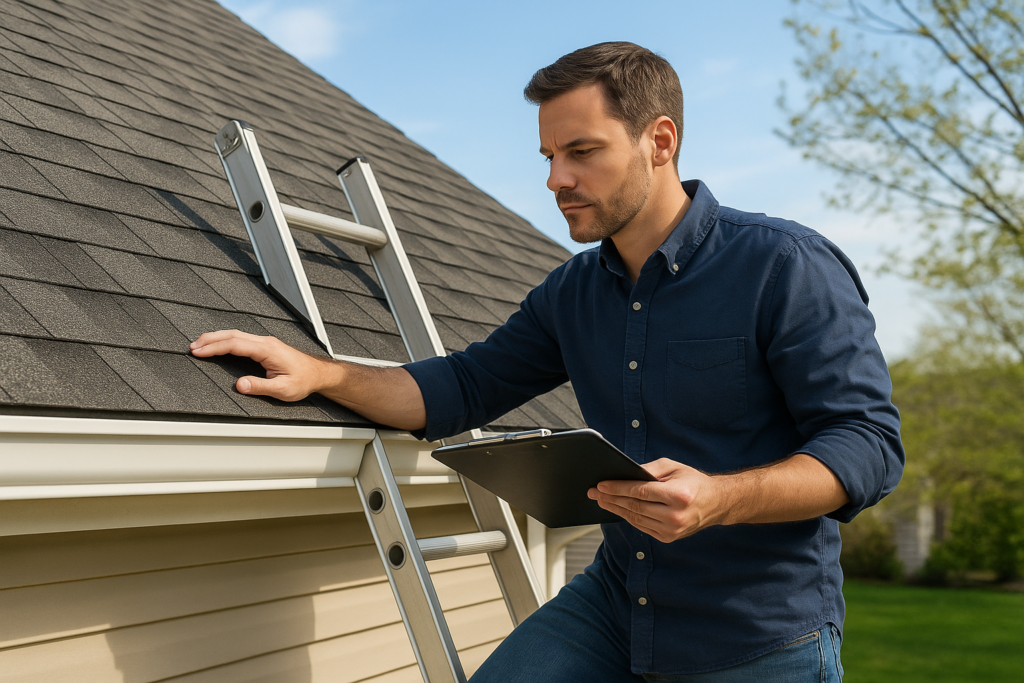
It’s advisable to inspect your roof at least twice a year, typically in the spring and fall. Additionally, inspect your roof after major storms to catch any damage early. Regular inspections can help you identify issues before they require emergency repairs.
Can I perform roof repairs myself?
While minor repairs might be manageable, it’s generally recommended to hire professionals for roof repairs. This ensures the work is done safely and correctly. For commercial properties, understanding the specific needs of commercial roofing is essential for effective maintenance.
What should I do if I discover a leak during a storm?
If you discover a leak during a storm, try to contain the water to prevent further damage. Use buckets or tarps to manage the leak and contact a roofing professional as soon as possible. For more guidance, review recommended immediate actions.
Conclusion
Regular inspections and timely repairs are essential in maintaining your roof’s integrity and protecting your home. By understanding **how to determine if your roof needs immediate repair**, you can address issues before they escalate, saving time and money. Whether you’re dealing with minor leaks or significant structural damage, professional assessment and repair can ensure your roof remains reliable and effective. For extensive resources on managing roof issues, explore roof leak repair services to learn more about keeping your home safe and dry.