
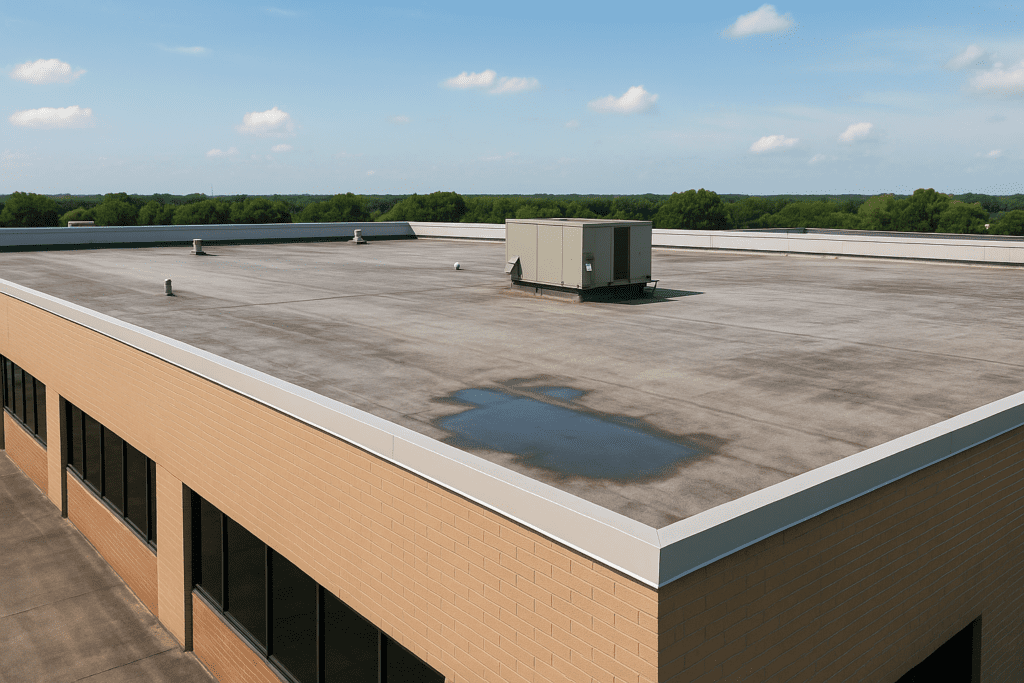
Top 5 Common Issues That Can Impact Your Commercial Roofing System Over Time
Understanding what common problems can arise with commercial roofing systems over time is crucial for maintaining your property’s structural integrity and safety. Over the years, your commercial roof is exposed to various elements that can lead to issues if not properly addressed. In this article, we will delve into these common issues, providing practical tips and solutions to help you manage them effectively.

Key Takeaways
- Regular maintenance can prevent many common commercial roofing issues.
- Weather-related damage is one of the leading causes of roofing problems.
- Poor installation can significantly affect the lifespan of your roof.
- Timely inspections can save you money in the long run.
- Understanding different roofing materials helps in making informed decisions.
Key Issues Affecting Commercial Roofing Systems
Weather-Related Damage
In Southern California, commercial roofs are subjected to intense sunlight, occasional heavy rains, and even high winds. These conditions can lead to various types of damage over time. UV rays from the sun can cause roofing materials to degrade, leading to cracks and leaks. Additionally, heavy rains can result in water pooling, especially on flat roofs, which can further exacerbate damage if not addressed promptly.
To mitigate such damage, it’s essential to ensure proper drainage systems are in place. Regular cleaning of gutters and drains can prevent water accumulation. Moreover, reflective coatings can be applied to reduce UV damage. For a more in-depth understanding, you might want to explore common roofing problems and solutions that specifically address weather-related issues.
Poor Installation Practices
Improper installation is a significant contributor to premature roof failure. This can manifest in various ways, such as improperly sealed seams, incorrect flashing installation, or incorrectly placed insulation. These mistakes can lead to leaks, energy inefficiency, and a reduced lifespan of the roofing system.
To avoid these issues, it’s crucial to hire experienced and certified roofing contractors. Proper installation not only ensures the longevity of your roof but also optimizes its performance. If you’re planning a new installation, consider reviewing inspection requirements to ensure compliance with local building codes.
Lack of Maintenance
Regular maintenance is vital for the health of your commercial roofing system. Neglecting routine inspections and repairs can lead to small issues becoming major problems. For instance, missing or damaged shingles should be replaced promptly to prevent water ingress and structural damage.
Implementing a maintenance plan that includes bi-annual inspections and prompt repairs can significantly extend the life of your roof. It’s also wise to educate facility managers on spotting early signs of damage. For further insights, you can learn about roof leak repair services and their importance in maintaining roof health.
Material-Related Challenges
Choosing the Right Materials
Different roofing materials offer varying degrees of durability, cost, and maintenance requirements. It’s essential to select a material that suits your specific needs and regional climate conditions. For instance, while metal roofing is durable and energy-efficient, it might not be the best choice if initial cost is a concern.
Here’s a comparison table to help you understand the pros and cons of different materials:
| Material | Pros | Cons |
|---|---|---|
| Metal | Durable, energy-efficient, long-lasting | Higher initial cost |
| Asphalt | Cost-effective, easy to install | Shorter lifespan, susceptible to weather |
| TPO | Reflective, heat-resistant, affordable | Vulnerable to punctures |
| EPDM | Weather-resistant, flexible | Requires regular maintenance |
For a detailed exploration of material options, consider reading about different commercial roofing types and their benefits.
Material Degradation Over Time
All roofing materials will degrade over time due to exposure to environmental factors. The rate of degradation depends on the quality of the material and the environmental conditions it faces. For example, asphalt shingles may become brittle under prolonged sun exposure while metal roofs might experience rust without proper maintenance.
To combat degradation, consider applying protective coatings and conducting regular inspections to catch early signs of wear. These proactive measures can save you substantial repair costs in the long run. For advice on managing these issues, check out common roofing problems and solutions.
Inadequate Insulation
Insulation plays a critical role in the energy efficiency of a commercial building. Inadequate insulation can lead to increased energy costs and uncomfortable indoor environments. It can also facilitate condensation within the roofing system, leading to mold and structural issues.
Investing in high-quality insulation materials and ensuring proper installation can significantly enhance the energy efficiency of your building. Regularly checking insulation integrity can prevent costly repairs. To explore more about cost considerations, visit our guide on average costs of commercial roofing.
Structural and Design Weaknesses
Roof Design Flaws
The design of your commercial roof can significantly influence its performance and durability. Poor design choices, such as inadequate slope or insufficient drainage systems, can lead to water pooling and increased wear and tear. These issues can be particularly pronounced in flat roofing systems.
To address design flaws, it’s important to consult with roofing experts during the planning stage. They can provide insights into optimal design strategies that enhance the roof’s longevity and performance. For more insights into flat roofing, you might consider exploring flat roofing options.
Structural Integrity Issues
Over time, the structural components supporting your roof can weaken due to various factors, including water ingress and physical stress. This can compromise the overall strength of your roofing system, leading to sagging or even collapse in severe cases.
Regular inspections and maintenance are crucial to identifying and addressing structural integrity issues early. Reinforcing weak areas and addressing underlying causes can prevent more severe damage. To ensure your roof meets all necessary standards, consider reviewing building codes for commercial roofing.
Improper Ventilation
Ventilation is essential for maintaining a healthy roofing system. Poor ventilation can lead to heat buildup, which can damage roofing materials and increase cooling costs. It can also exacerbate moisture problems, leading to mold and mildew growth.
To improve ventilation, consider installing additional vents or upgrading to more efficient systems. These improvements can enhance both the longevity and energy efficiency of your roof. For additional guidance, explore the benefits of commercial metal roofing which often includes advanced ventilation options.
Frequently Asked Questions
How often should a commercial roof be inspected?
It’s recommended to inspect your commercial roof at least twice a year, ideally in spring and fall. Regular inspections help identify potential problems early and ensure that maintenance is up to date.
What are the signs of a failing commercial roofing system?
Common signs include water stains on ceilings, visible leaks, sagging areas, and increased energy bills. Addressing these signs promptly can prevent further damage and costly repairs.
How can I extend the lifespan of my commercial roof?
Regular maintenance, choosing the right materials, proper installation, and addressing issues as they arise are key strategies for extending your roof’s lifespan. Investing in quality materials and services can also make a significant difference.
What should I do if I notice a leak in my commercial roof?
Immediately contact a professional roofing contractor to assess and repair the leak. Delaying repairs can lead to more extensive damage and higher repair costs.
Conclusion
Knowing what common problems can arise with commercial roofing systems over time is essential for property managers and business owners alike. By understanding these issues and taking proactive measures, you can ensure your roofing system remains durable and efficient. Regular maintenance, choosing the right materials, and adhering to proper installation practices play a significant role in preventing these common problems. For more information on maintaining your commercial roof, consider exploring our comprehensive commercial roofing services.
