
How to Choose the Right Roof Repair Materials
When facing roofing issues, selecting the right repair materials is crucial for ensuring the longevity and effectiveness of your roof restoration efforts. By understanding the options available at **local roof repair supply stores**, homeowners can make informed decisions that align with their specific needs and budgets. This comprehensive guide provides an in-depth look at various materials, their pros and cons, and how consulting with professionals can further streamline the process.

Key Takeaways
- Understanding the types of roofing materials can guide your purchasing decisions.
- Consulting professional roofers can save time and prevent costly mistakes.
- Different materials offer unique benefits and drawbacks, impacting cost and longevity.
- **Local roof repair supply stores** can provide personalized recommendations.
- Consider climate and specific roof needs when choosing materials.
Understanding Roof Repair Materials
Types of Roofing Materials
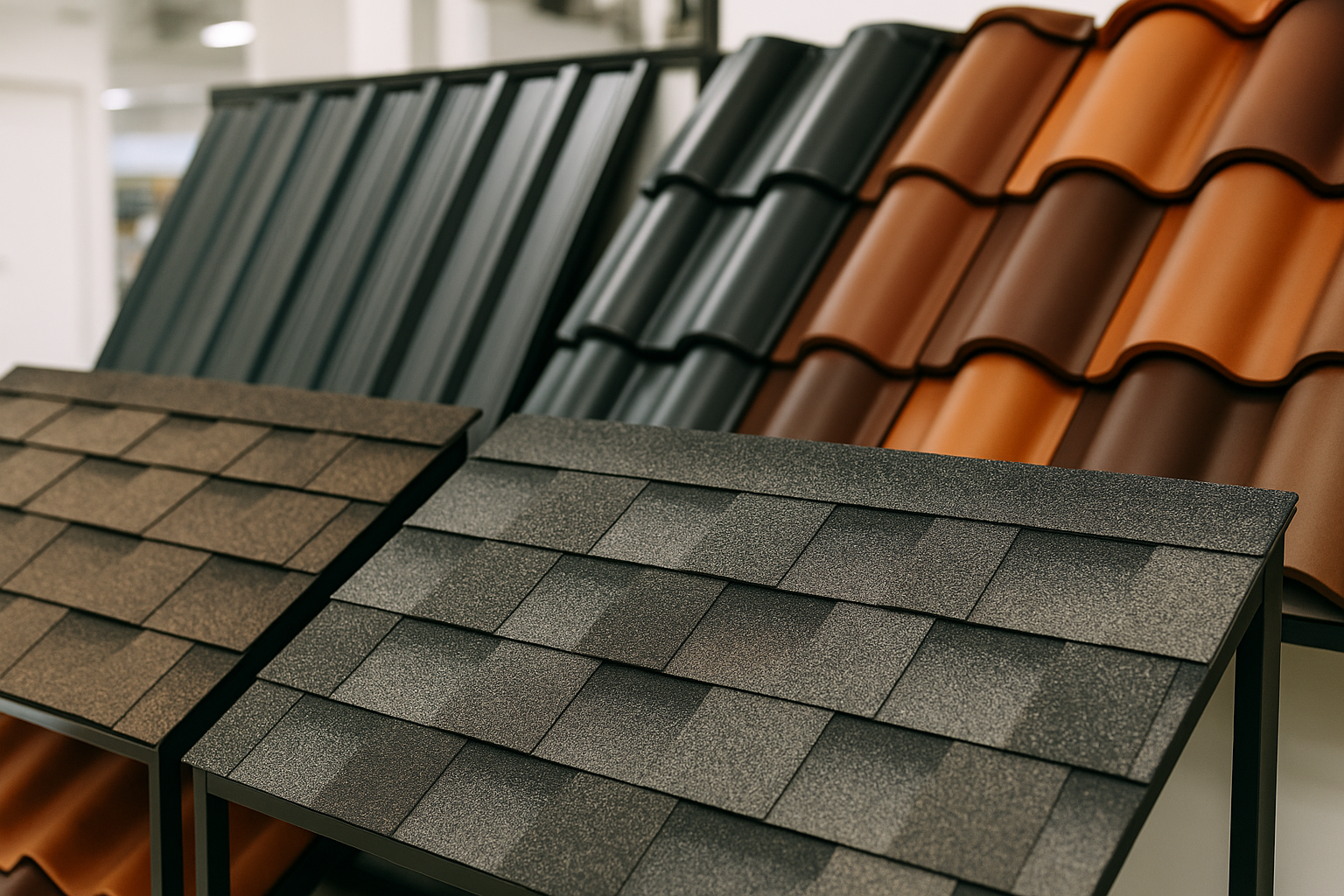
When visiting **local roof repair supply stores**, you’ll find a diverse range of materials, each with its own set of advantages. Common options include asphalt shingles, metal roofing, clay tiles, and rubber membranes. Asphalt shingles are popular due to their affordability and ease of installation. However, in the warm climate of Southern California, metal roofing can offer superior durability and energy efficiency.
Metal roofing materials, such as steel and aluminum, are known for their long lifespan and resistance to extreme weather conditions. This makes them an excellent choice for homes in areas prone to high temperatures and wildfires. On the other hand, clay tiles provide a classic look and excellent thermal protection but can be heavy and require additional structural support.
Rubber membranes, like EPDM, are ideal for flat roofs, offering flexibility and water resistance. These materials are often favored for commercial applications but can be suitable for residential use as well.
Pros and Cons of Common Materials
To help you decide, here’s a detailed look at the pros and cons of these common roofing materials:
| Material | Pros | Cons |
|---|---|---|
| Asphalt Shingles | Affordable, easy installation, variety of styles | Shorter lifespan, less durable in extreme weather |
| Metal Roofing | Durable, energy efficient, low maintenance | Higher initial cost, noise during rain |
| Clay Tiles | Long lifespan, excellent thermal protection | Heavy, requires reinforced support |
| Rubber Membranes | Flexible, water resistant, ideal for flat roofs | Limited aesthetic options, may require specialized installation |
Factors Influencing Material Choice
Several factors can influence your choice of roofing materials from **local roof repair supply stores**. Budget is often a primary consideration, with costs varying significantly between materials. For instance, asphalt shingles may cost around $100 to $150 per square, while clay tiles can range from $300 to $600 per square.
Climate conditions are another crucial factor. In Southern California, where temperatures can soar, materials like metal and clay tiles that offer better heat resistance can help maintain cooler indoor temperatures. Additionally, the architectural style of your home may dictate the most suitable roofing material, ensuring aesthetic cohesiveness.
It’s also wise to consider the longevity and maintenance requirements of each material. While some options may be cheaper upfront, they could incur higher maintenance costs over time. Consulting with a roofing expert or visiting a **local roof repair supply store** can provide valuable insights tailored to your specific circumstances.
The Role of Local Roof Repair Supply Stores
Benefits of Purchasing Locally
Buying materials from **local roof repair supply stores** offers several advantages. Local suppliers often have a better understanding of the regional climate and building codes, ensuring the materials they offer are suitable for your area. This localized expertise can be invaluable in making the correct choice for your project.
Moreover, local stores provide personalized customer service, helping you navigate the myriad of options available. They can offer tailored recommendations based on your specific needs, such as budget constraints or aesthetic preferences.
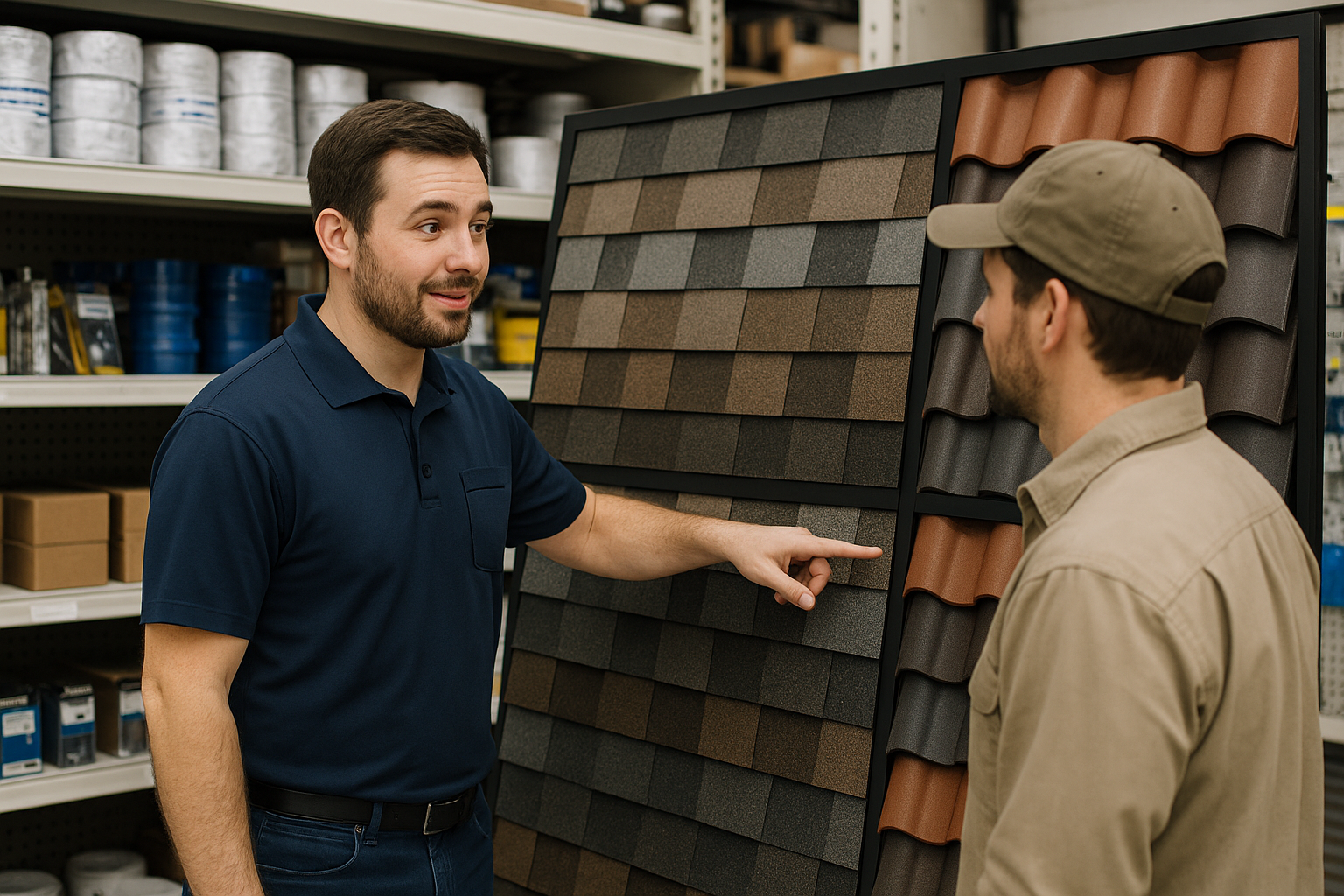
Comparing Local vs. Online Purchases
While online shopping offers convenience, there are distinct benefits to purchasing from **local roof repair supply stores**. Firstly, you can physically inspect materials at a store, assessing their quality, color, and texture firsthand. This tactile experience is crucial for ensuring satisfaction with your selection.
Additionally, local stores eliminate the uncertainties associated with shipping and potential delays. You can often obtain materials immediately, accelerating your repair timeline. The face-to-face interaction also fosters trust, as you can ask questions and receive immediate feedback from knowledgeable staff.
Despite these advantages, online retailers may offer a broader selection and competitive pricing. However, when considering the potential challenges of returns and the shipping costs of heavy materials like roofing, local stores often provide a more hassle-free experience.
How to Find the Best Local Suppliers
To find the best **local roof repair supply stores**, start by seeking recommendations from friends or neighbors who have recently undertaken roofing projects. Online reviews and testimonials can also provide insights into the quality of service and products offered by various suppliers.
It’s beneficial to visit a few stores to compare offerings and prices. Pay attention to the staff’s knowledge and willingness to assist, as this can significantly impact your shopping experience. When evaluating suppliers, also consider their return policies and any warranties offered on materials, which can provide additional peace of mind.
- Check online review platforms for customer feedback on local stores.
- Visit multiple stores to compare options and prices.
- Inquire about staff expertise and customer service.
- Ask about warranties and return policies on roofing materials.
Practical Tips for Selecting Roof Repair Materials
Consulting with Professionals
Consulting with professional roofers can make a significant difference when selecting materials. Their expertise allows them to recommend the most suitable options for your specific roofing issues and environmental conditions. By working with experts, you can avoid common pitfalls and ensure a more efficient repair process.
Professionals can also provide insights into the latest roofing technologies and materials that may not yet be widely available in **local roof repair supply stores**. This can be particularly advantageous if you’re seeking cutting-edge solutions that offer enhanced durability or energy efficiency.
For more information on the benefits of professional consultation, consider reading about roof leak repair services and their impact on overall roof health and longevity.
Budgeting for Roof Repairs
Effective budgeting is critical when planning roof repairs. Start by obtaining estimates for various materials from **local roof repair supply stores**, considering both initial costs and long-term maintenance expenses. For a comprehensive understanding of pricing, you might explore resources like the average roof repair costs explained for local homeowners.
It’s also wise to set aside a contingency fund for unexpected expenses that may arise during the repair process. By planning your budget carefully, you can avoid financial strain and ensure the successful completion of your roofing project.
Additionally, consider the potential savings from energy-efficient materials, which can reduce your utility bills over time. While these options may have a higher upfront cost, the long-term savings can be substantial.
Assessing Long-Term Needs
When selecting materials, consider your home’s long-term needs and the potential impact on property value. Durable materials like metal roofing not only offer longevity but also enhance your home’s resale value, making them a wise investment.
Consider the maintenance requirements of each material. Some options, while cost-effective initially, may require frequent repairs or replacements. For a thorough comparison, refer to resources like the benefits of asphalt and metal roof repair materials analyzed.
Finally, think about potential changes to your home’s use or design in the future. If you plan to add solar panels or remodel your roofline, ensure the chosen materials can accommodate such modifications.
Frequently Asked Questions
What are the most durable roof repair materials?
Metal roofing and clay tiles are among the most durable materials available. They offer excellent resistance to extreme weather and can last several decades with proper maintenance. For more insights, explore the benefits of metal roofing for durability and longevity.
How do I determine the best material for my climate?
Consider materials that are suited to your region’s climate. In Southern California, where heat is a concern, materials like metal and clay tiles that offer thermal resistance are highly recommended. Consulting with local experts can provide tailored advice based on your specific location.
Should I always choose the cheapest materials?
While cost is an important factor, it’s crucial to balance affordability with durability and maintenance requirements. Cheaper materials may incur higher long-term costs due to frequent repairs or replacements. It’s advisable to invest in quality materials that provide value over time.
Can I DIY my roof repairs?
While some simple repairs can be DIY projects, it’s often best to consult with professionals for significant repairs to ensure safety and efficacy. Professional roofers have the expertise and equipment necessary to handle complex issues, minimizing the risk of improper installation.
Conclusion
Choosing the right roof repair materials is a critical step in maintaining your home’s integrity and value. By exploring options at **local roof repair supply stores**, consulting with professionals, and considering long-term needs and climate conditions, you can make informed decisions that ensure the longevity and performance of your roof. Remember, investing in quality materials and expert advice not only protects your home but also enhances its overall value.