
10 Essential Tips for Choosing the Perfect Commercial Roofing Contractor for Your Project
Choosing the right commercial roofing contractor is crucial for any business, as the quality of your roof can significantly impact the safety and efficiency of your operations. So, how do I choose the right commercial roofing contractor for my project? This comprehensive guide will provide you with practical tips, comparisons, and insights to help you make an informed decision.

Key Takeaways
- Verify the contractor’s licensing and insurance to protect your investment.
- Consider the contractor’s experience with the specific roofing type you require.
- Request detailed, written estimates and compare them critically.
- Check references and reviews to gauge the contractor’s reputation.
- Understand the impact of local climate on roofing choices and contractor recommendations.
Essential Qualifications to Look For
Licensing and Insurance
Before hiring a commercial roofing contractor, ensure they possess the necessary licensing and insurance. In California, a state contractor’s license is mandatory for roofing projects that exceed $500, safeguarding you from unqualified service providers. Insurance is equally important, as it protects you from liabilities in case of accidents or damages during the project. Always ask for proof of both licensing and insurance before proceeding.
Understanding what factors to consider when comparing roofing contractors can help you make an informed decision. This step ensures your contractor is legally and financially sound, providing you peace of mind throughout the project.

Experience with Specific Roofing Types
Not all contractors have expertise in every type of commercial roofing. Whether you’re interested in flat roofing options for your commercial property or more traditional sloped roofs, ensure your contractor has proven experience with your desired roofing system. Experienced contractors are more likely to foresee potential issues and offer innovative solutions.
Consider the local climate when discussing roofing types with your contractor. Southern California’s weather, with its intense sun and occasional heavy rains, can impact the longevity and performance of certain roof types. Hiring a contractor familiar with these conditions can lead to better recommendations and outcomes.
Written Estimates and Transparent Pricing
An essential step in selecting the right contractor is obtaining detailed, written estimates. These should include labor, materials, timelines, and potential additional costs. Comparing these estimates helps you understand the market rate and avoid hidden expenses.
Consider reading about hidden costs in commercial roofing projects to better prepare yourself financially. Transparency in pricing is a hallmark of a trustworthy contractor, ensuring no surprises arise once the project is underway.
Evaluating Contractor Reputation
Checking References and Reviews
A contractor’s reputation is a vital indicator of their reliability and quality of work. Request references from previous clients and make an effort to contact them. Ask about their overall satisfaction, the contractor’s professionalism, and the project’s outcome.
Additionally, online reviews on platforms like Google and Yelp provide insights into a contractor’s standing. Consistently positive reviews and high ratings are good signs, but pay attention to how contractors respond to negative feedback, as this can reveal their commitment to customer satisfaction.
Assessing Local Experience and Knowledge
Choosing a contractor with substantial local experience can be advantageous. Local contractors are often more familiar with regional building codes, weather patterns, and preferred materials, resulting in better-suited recommendations for your project.
For instance, contractors knowledgeable about how local climate conditions affect commercial roofing choices can guide you in selecting materials that withstand Southern California’s climate. This expertise ensures your roof’s durability and performance over time.
Contractor’s Track Record and Portfolio
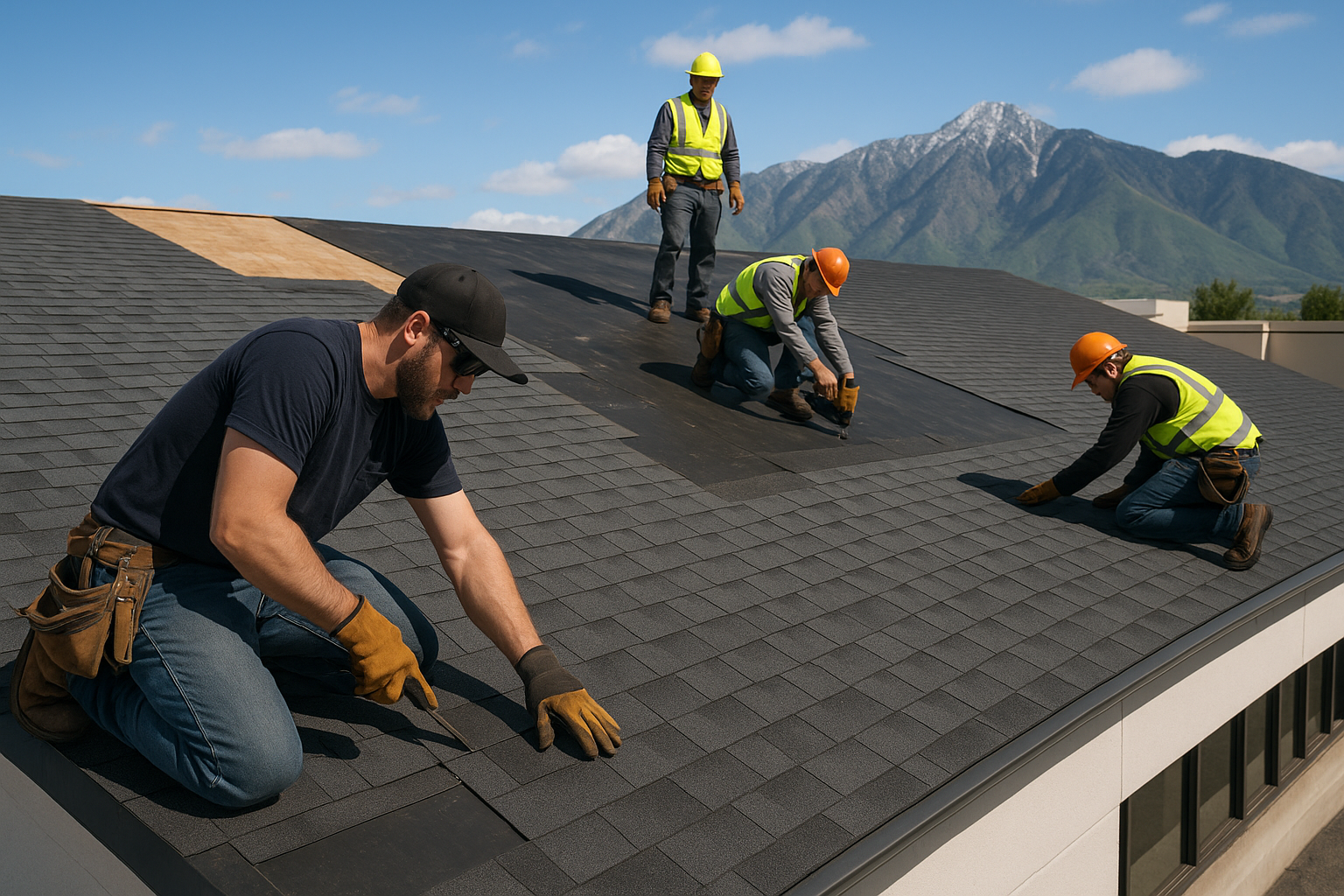
Reviewing a contractor’s portfolio of past projects can provide insights into their capabilities and style. A diverse portfolio indicates experience with various materials and project scopes, which is advantageous if your project involves unique challenges or requirements.
Discussing their past projects can also reveal how they approach different commercial roofing types, ensuring they can meet your specific needs. A solid track record is a testament to a contractor’s ability to deliver quality results consistently.
Practical Decision-Making Tips
Comparing Bids Effectively
When comparing bids, don’t just focus on the bottom line. Look at the details each contractor includes in their estimate. Consider the quality of materials, the comprehensiveness of the warranty, and the estimated timeline for completion.
| Contractor | Material Quality | Warranty Length | Estimated Completion Time |
|---|---|---|---|
| Contractor A | High | 20 years | 3 weeks |
| Contractor B | Medium | 15 years | 4 weeks |
| Contractor C | Low | 10 years | 2 weeks |
Understanding these aspects can help you identify the best overall value, not just the cheapest option. Installation times and material quality should align with your project priorities for optimal results.
Understanding the Importance of Communication
Effective communication is vital throughout a roofing project. The contractor should be responsive, clear, and proactive in providing updates. This ensures any issues are addressed promptly, and you remain informed about progress and any potential delays.
Regular updates and open lines of communication can prevent misunderstandings and ensure the project stays on schedule. It’s beneficial to establish communication expectations early in the process.
Ensuring Comprehensive Warranty Coverage
A robust warranty is a crucial consideration when selecting a roofing contractor. It offers peace of mind by covering potential defects in materials or workmanship. Understand the terms and what specifically is covered under the warranty provided by each contractor.
- Check if both materials and labor are covered.
- Verify the warranty duration and any conditions that might void it.
- Ensure it is transferable if ownership of the property changes.
These factors can significantly impact the long-term value and security of your investment, ensuring you have a reliable roof over your business.
Frequently Asked Questions
What are the typical costs for commercial roofing projects in Southern California?
The cost of commercial roofing projects can vary significantly based on materials, roof size, and complexity. On average, prices range from $7 to $12 per square foot. It’s important to obtain multiple estimates to understand the market rate and ensure competitive pricing.
How does Southern California’s climate affect roofing material choices?
The intense sun and occasional heavy rains in Southern California can influence material selection. Roofing options like cool roofs and materials with UV-resistant coatings are highly recommended to enhance energy efficiency and longevity. Learn more about energy-efficient roofing types for commercial buildings.
Why is it essential to hire a licensed and insured contractor?
Hiring a licensed and insured contractor protects you from liabilities related to accidents or damages during the project. It also ensures compliance with local building codes and regulations, safeguarding the integrity and legality of your roofing project.
How can I verify a contractor’s license and insurance?
Request copies of the contractor’s license and insurance certificates and verify them with the issuing authorities. In California, you can check a contractor’s license status through the Contractors State License Board (CSLB) online database.
Conclusion
Choosing the right commercial roofing contractor involves careful evaluation of their qualifications, reputation, and pricing. By following these essential tips, you can confidently select a contractor who meets your project’s needs and ensures long-term success. Remember, the right contractor will not only provide a quality roof but also enhance the safety and efficiency of your business operations. For more insights on commercial roofing, explore our comprehensive guide on commercial roofing.