Understanding How Local Climate Conditions Influence Your Commercial Roofing Material Choices
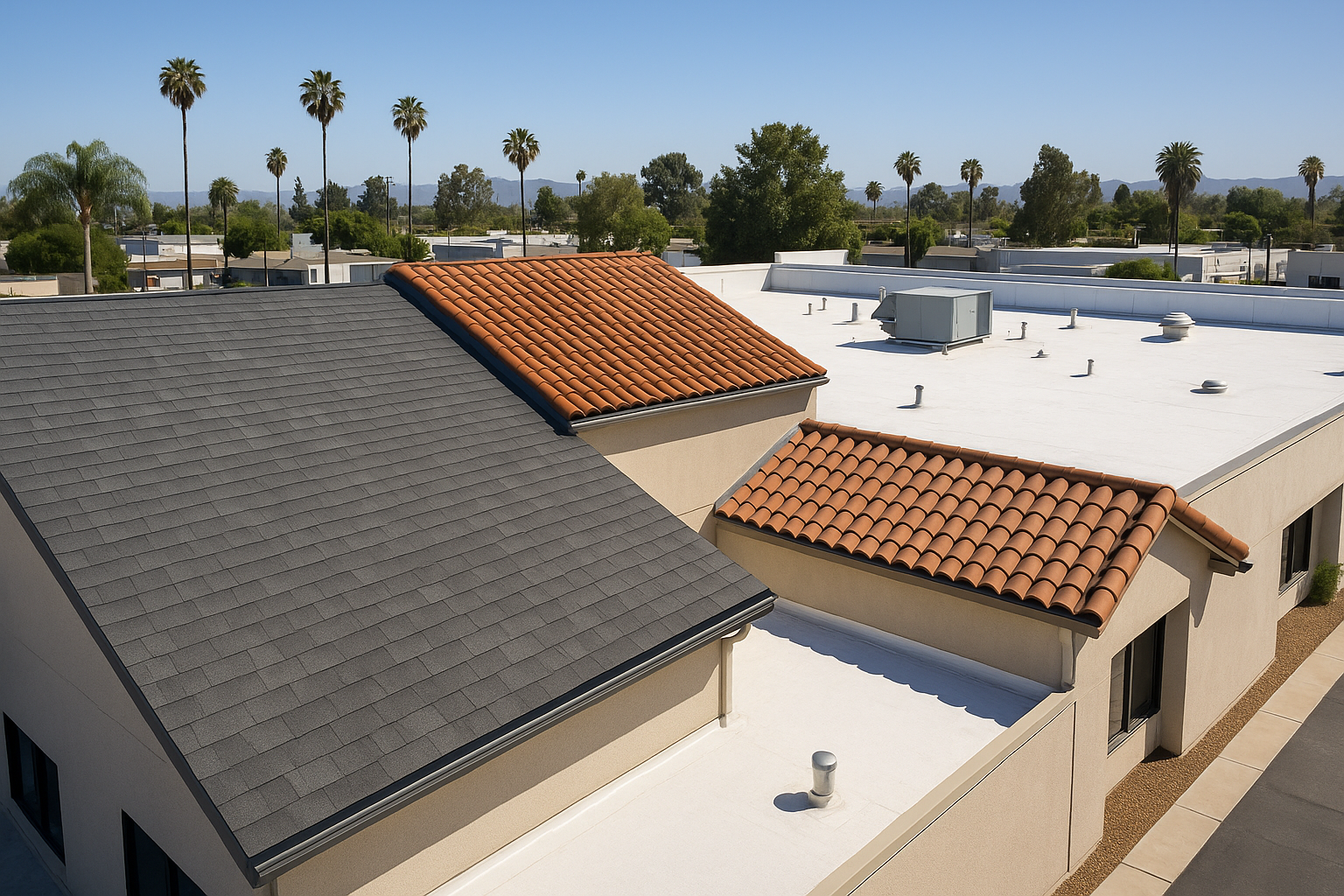
When it comes to selecting materials for your commercial roof, understanding **how local climate conditions affect the choice of commercial roofing materials** is crucial. The weather patterns specific to Southern California can significantly influence the durability and performance of your roofing system. In this guide, we’ll delve into the impact of climate on commercial roofing, offering insights to help you make informed decisions for your business.
Key Takeaways
- Local climate heavily influences the longevity and durability of commercial roofing materials.
- Choosing the right material can improve energy efficiency and reduce repair costs.
- Understanding extreme weather impacts can guide better roofing decisions.
- Compliance with local roofing laws is essential to avoid legal issues and fines.
- Consulting with local experts ensures the best material choice for your specific conditions.
Climate Considerations for Commercial Roofing
Temperature Fluctuations and Material Expansion
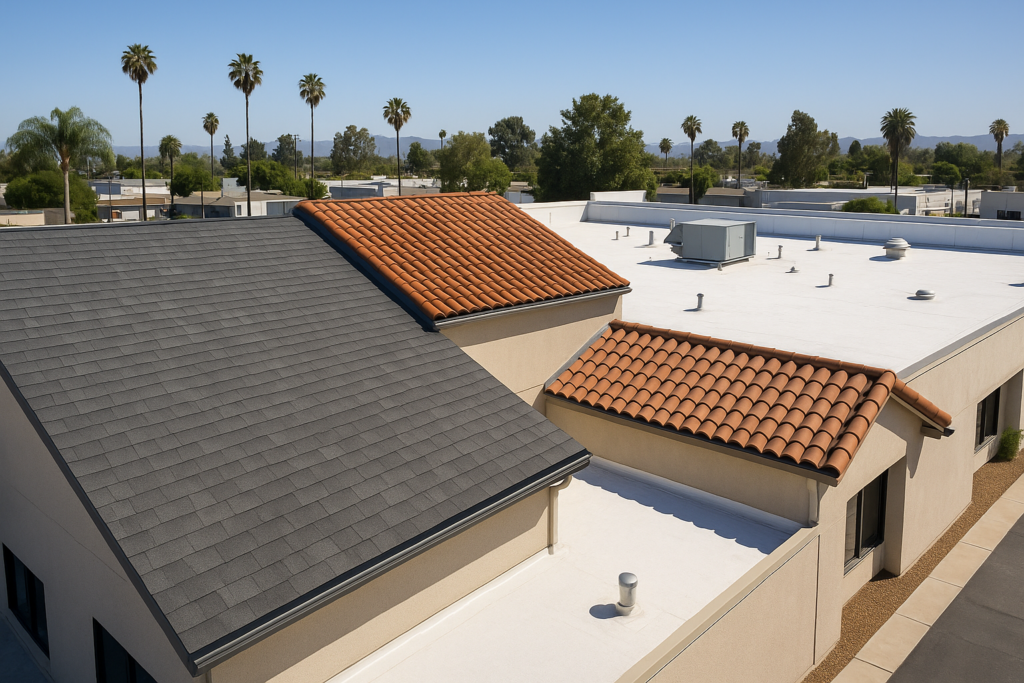
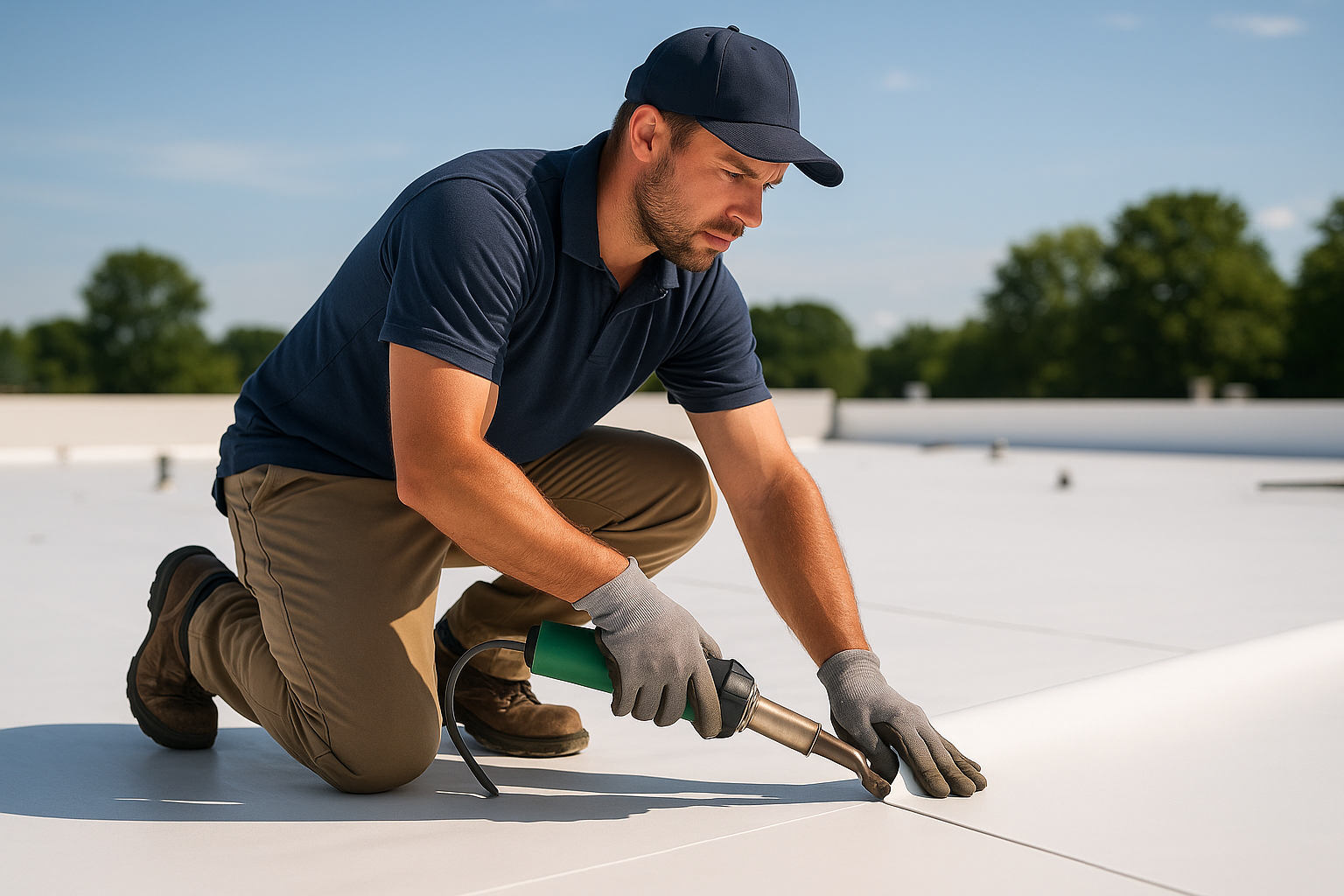
Temperature changes can cause roofing materials to expand and contract, impacting their structural integrity. In areas like the San Gabriel Valley, where temperatures can vary significantly between day and night, selecting materials that handle expansion well, such as TPO or EPDM, is vital. These materials offer flexibility, reducing the risk of cracks and leaks.
For instance, **TPO roofing** is known for its reflective properties, making it a great choice in sunny climates. It helps keep the building cooler, reducing energy costs by up to 30%. On the other hand, **EPDM** is excellent for areas experiencing frequent temperature shifts, due to its superior elasticity and resistance to UV radiation.
Rainfall and Water Resistance
In Southern California, while not as rainy as the Pacific Northwest, sudden downpours can occur. Ensuring your commercial roof has excellent water resistance is essential to prevent leaks and water damage. Materials like PVC and metal roofing are highly effective in shedding water and preventing infiltration.
**Metal roofing** provides optimal water resistance and is particularly beneficial for flat or low-slope roofs, where water drainage can be problematic. PVC, with its welded seams, offers superior protection against leaks, making it an ideal choice for wetter climates.
Wind Resistance and Structural Integrity
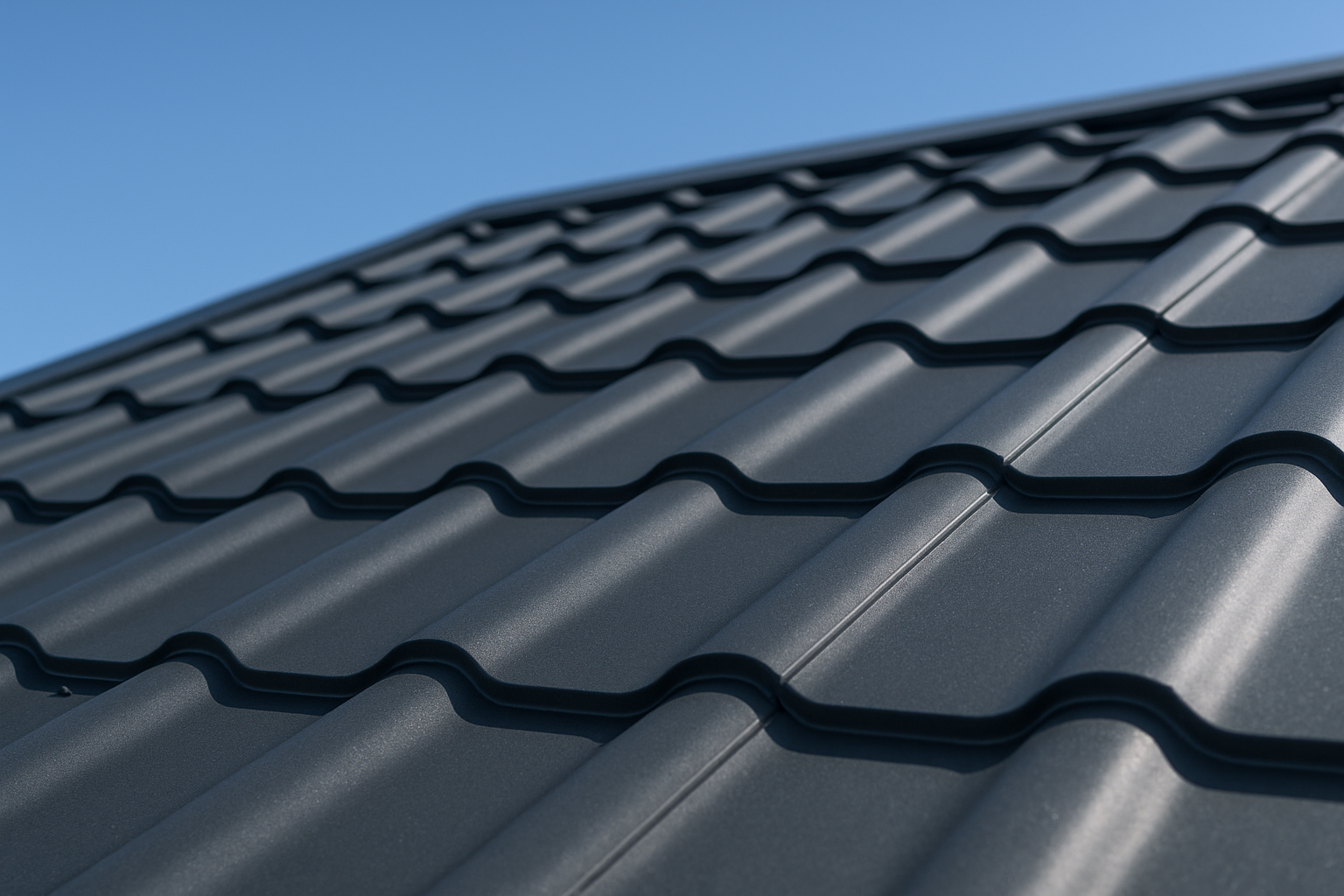
High winds can pose significant threats to commercial roofs, especially in open areas or high-rise buildings. Materials like metal and certain asphalt shingles are designed to withstand high wind speeds. Investing in these materials can prevent costly repairs and potential structural damage.
**Asphalt shingles** often come with wind ratings, ensuring they can withstand gusts of up to 130 mph. Metal roofs, with their interlocking panels, provide additional security against wind uplift, making them a preferred choice for windy locales.
Material Comparisons Based on Climate Factors
Heat and UV Exposure
The intense sun in Southern California requires roofing materials that can endure prolonged UV exposure. Materials like TPO, PVC, and metal roofing are known for their UV resistance, helping to prolong the roof’s lifespan and improve energy efficiency.
**TPO and PVC roofing** membranes are particularly effective at reflecting UV rays, which helps maintain cooler building temperatures, reducing HVAC costs. Metal roofs, with special coatings, also offer excellent UV protection while adding a modern aesthetic to commercial properties.
| Material | UV Resistance | Energy Efficiency |
|---|---|---|
| TPO | High | Excellent |
| PVC | High | Good |
| Metal | Moderate to High | Good |
Rain and Moisture Resistance
When considering **how local climate conditions affect the choice of commercial roofing materials**, it’s important to evaluate moisture resistance. In addition to metal and PVC, EPDM also provides reliable moisture protection, particularly for flat roofs. Its seamless application ensures minimal leakage risk.
Ensure the chosen material has proper drainage systems in place to avoid water pooling, which can lead to roof deterioration and leaks. This is especially crucial for flat roofing options commonly used in commercial buildings.
- Install adequate drainage systems to prevent water pooling.
- Regularly inspect and maintain roof seals and seams.
- Consult with local experts for tailored solutions based on climate.
Wind Resistance
The impact of wind on your roof depends on both the material used and the installation method. Proper installation can enhance a roof’s wind resistance, making it crucial to choose experienced contractors. You can explore local contractors to ensure a quality installation.
For areas prone to high winds, consider materials like metal and asphalt shingles with high wind ratings. Additionally, securing loose elements and using wind-resistant fasteners can further protect your roof.
Local Regulations and Compliance
Understanding Roofing Laws
Compliance with local regulations is critical when installing or replacing commercial roofs. California has strict codes to ensure safety and environmental standards. Familiarize yourself with these regulations to avoid potential fines. You can learn more about local roofing laws to ensure compliance.
These laws often dictate materials’ fire ratings and energy efficiency standards. Failure to comply can lead to costly penalties and forced renovations.
Energy Efficiency Standards
California’s energy efficiency standards aim to reduce energy consumption and improve building performance. Choosing energy-efficient materials not only complies with these regulations but also lowers your utility bills. For example, TPO and PVC roofs are excellent choices for energy efficiency due to their reflective properties.
Adhering to these standards can also qualify your business for tax incentives, making it a financially sound decision. Explore options that offer better energy efficiency for your commercial building.
Fire Safety Considerations
Fire safety is a critical aspect of commercial roofing in Southern California. Materials must meet specific fire ratings to be deemed suitable for use. Metal roofs, for example, are non-combustible and offer excellent fire resistance, making them a safe choice.
Ensure your roofing material meets local fire safety codes to protect your investment and comply with legal requirements. Consulting with experts can help you choose the right material that meets these stringent standards.
Frequently Asked Questions
What are the best roofing materials for hot climates?
Materials like TPO, PVC, and metal are excellent for hot climates due to their reflective properties and UV resistance. These materials help reduce cooling costs and improve energy efficiency.
How does rain affect commercial roofing choices?
Rain can lead to leaks and water damage if the roofing material isn’t resistant to moisture. Options like PVC, metal, and EPDM are ideal for areas with significant rainfall due to their excellent water resistance.
Are there specific materials better for high wind areas?
Yes, materials such as metal and certain asphalt shingles designed for high wind resistance are preferable. Ensure proper installation to maximize the material’s wind-resistant properties.
How do local regulations impact roofing material choices?
Local regulations dictate fire ratings, energy efficiency, and environmental standards. Choosing compliant materials helps avoid fines and ensures your roof is safe and efficient.
Conclusion
Understanding **how local climate conditions affect the choice of commercial roofing materials** is essential for selecting a durable, efficient, and compliant roof. Southern California’s climate presents unique challenges, from intense UV exposure to occasional heavy rains, making material choice critical. By considering factors like temperature fluctuations, moisture resistance, and local regulations, you can ensure your commercial building is well-protected and energy-efficient. Consulting with local experts and staying informed about commercial roofing options will guide you to the best decisions for your business.