Understanding the Impact of Extreme Weather on Your Commercial Roofing Performance and Longevity
In Southern California, businesses often find themselves asking, “How do extreme weather conditions affect commercial roofing performance?” With the region’s unique climate challenges, understanding the impact of weather on your commercial roof’s performance and longevity is crucial. This article explores how factors such as heatwaves, heavy rains, and windstorms can significantly affect your roofing system.
Key Takeaways
- Extreme weather conditions can lead to significant damage, affecting the performance and lifespan of commercial roofing.
- Heat, rain, and wind are primary weather elements that can cause roofing issues such as leaks and structural damage.
- Regular maintenance and inspections are vital to mitigate the effects of severe weather on your roofing system.
- Choosing the right roofing material and installation method can enhance durability against extreme weather.
- Understanding the financial aspects, including repair costs and insurance, is essential for managing roofing issues effectively.
The Effects of Extreme Heat on Commercial Roofing
The Impact of Prolonged Heatwaves
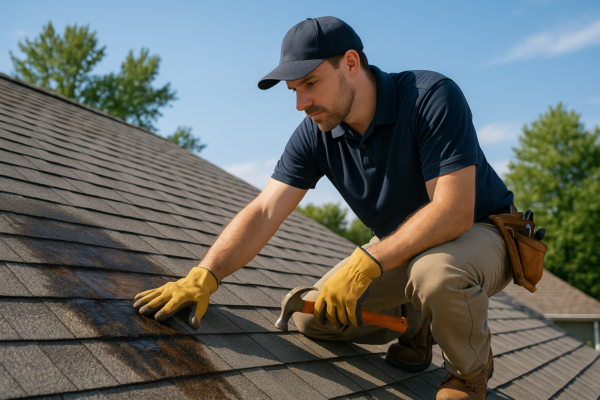
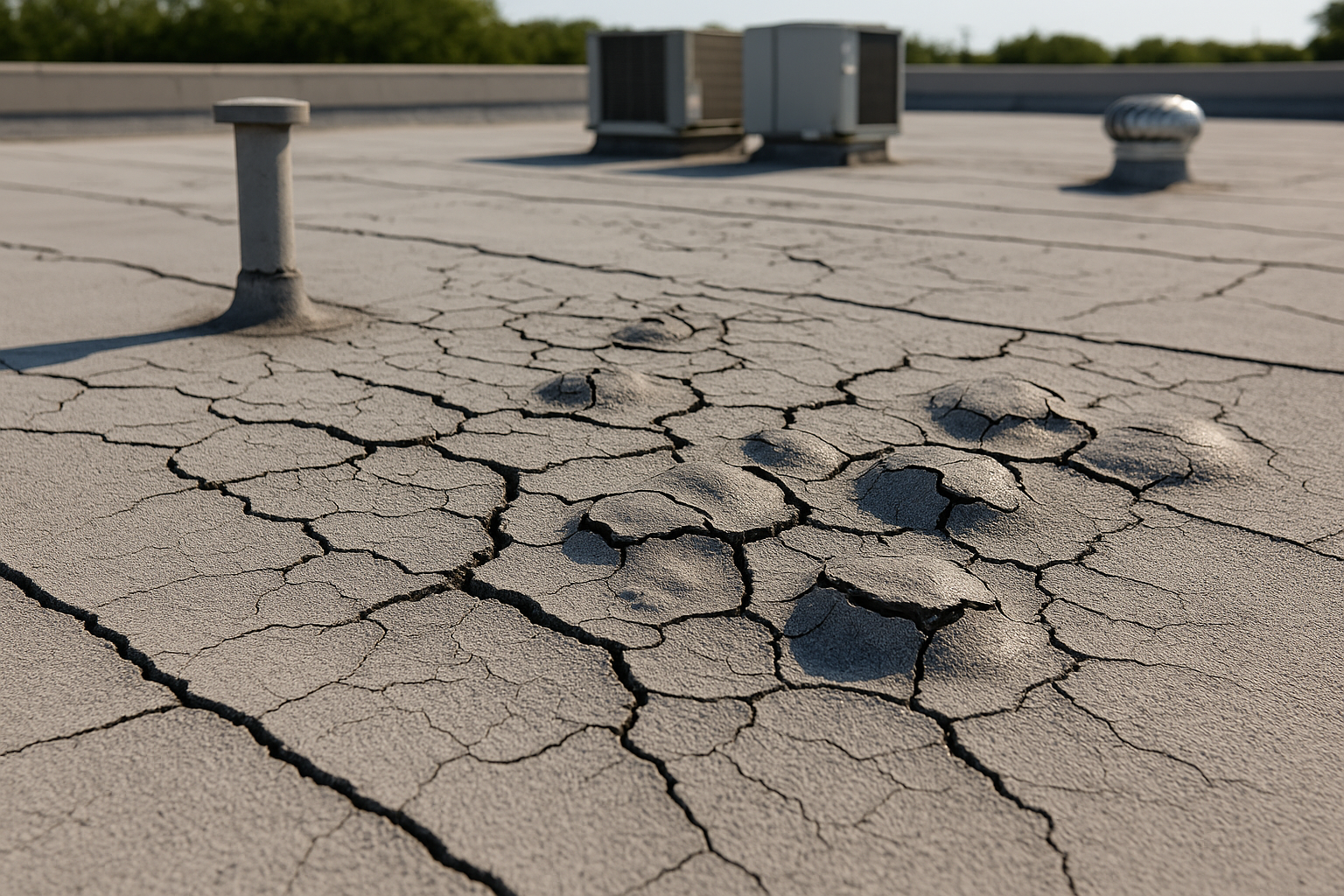
Southern California is no stranger to heatwaves, which can have a profound impact on commercial roofing systems. Prolonged exposure to high temperatures can cause materials like asphalt to soften and become more susceptible to damage. This can lead to issues such as blistering, cracking, and even premature aging of your roof. Understanding how these conditions affect your roof is essential for maintaining its integrity.
Heat can also cause expansion and contraction of roofing materials, leading to loosening of seams and potential leaks. Regular inspections during these periods can help identify and address issues before they escalate. For more on preventing leaks, consider reading about factors that lead to roofing leaks in commercial buildings.
Material Selection for Heat Resilience
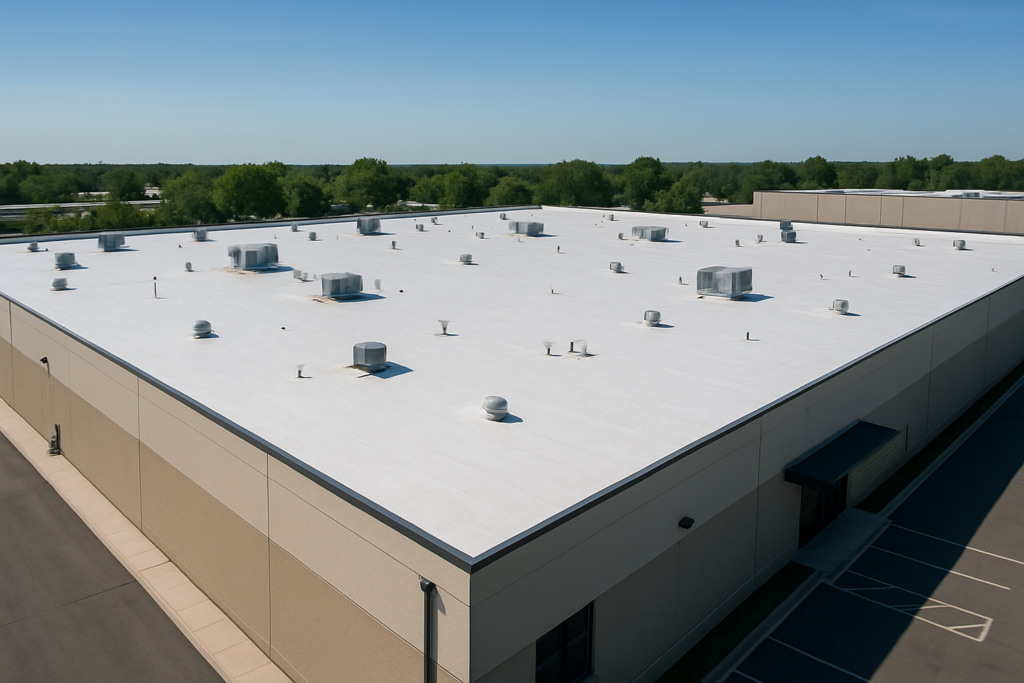
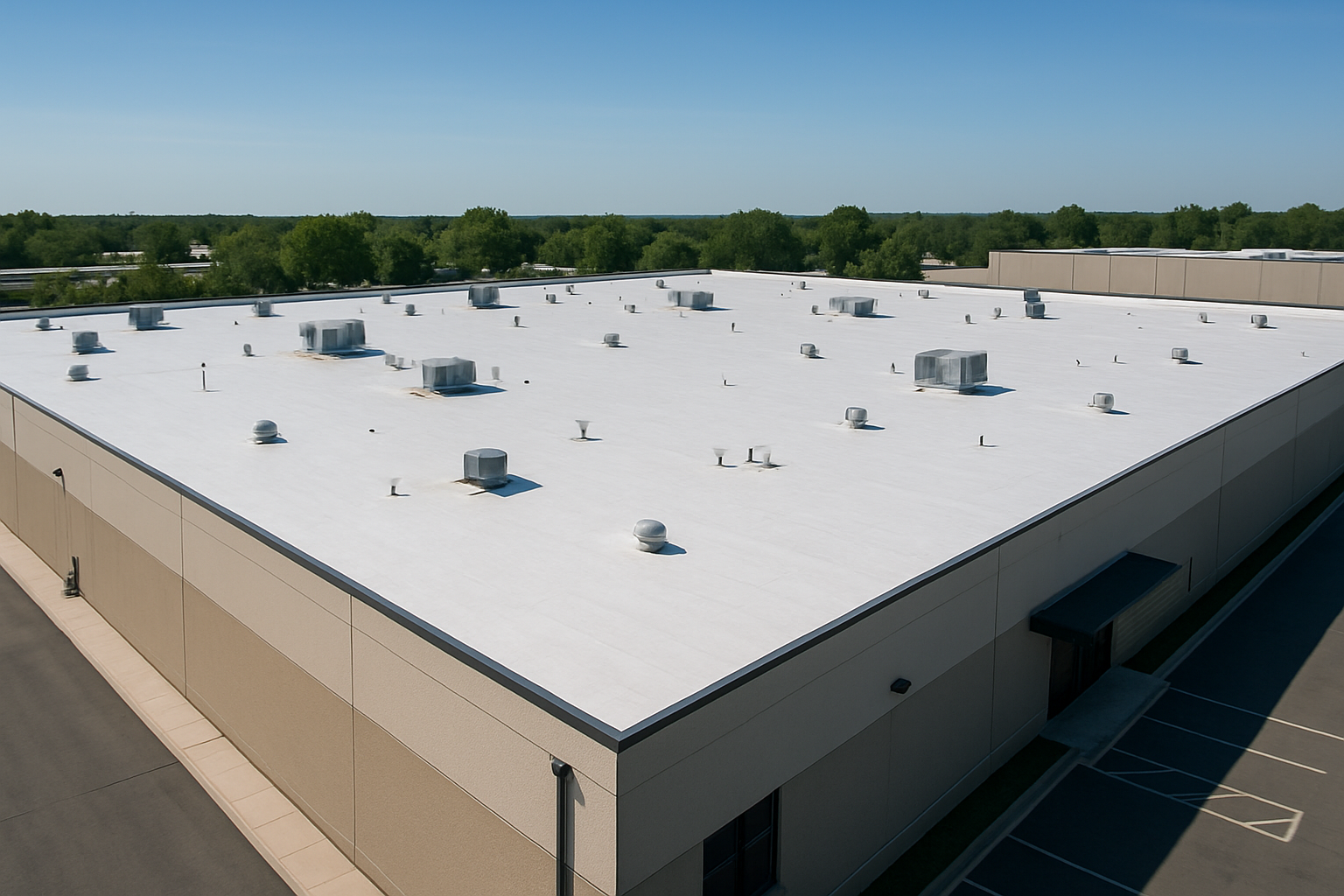
Choosing the right materials is key to enhancing your roof’s resilience against extreme heat. Reflective materials, such as TPO or EPDM, can significantly reduce heat absorption, keeping your building cooler and reducing energy costs. These materials reflect up to 80% of UV rays, which is beneficial for maintaining the internal temperature of your building.
For businesses considering a new roofing installation, exploring different commercial roofing types can provide insights into materials that perform best in high-temperature environments. Additionally, opting for lighter-colored materials can further enhance heat reflection, prolonging the roof’s lifespan.
Cost Considerations and Maintenance
Managing costs associated with heat-related damage involves both preventative measures and repairs. Regular maintenance, including cleaning and sealing, can help protect your roof from the effects of extreme heat. The cost of routine maintenance typically ranges from $0.10 to $0.20 per square foot annually, which is a small price compared to extensive repairs.
For comprehensive guidance on managing roofing expenses, you might want to explore how labor costs affect commercial roofing prices and how you can negotiate pricing for your projects.
Heavy Rain and Its Impact on Roofing Performance
Water Damage and Leak Prevention
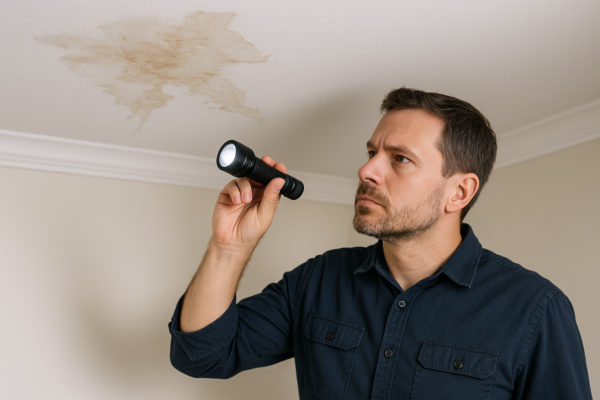
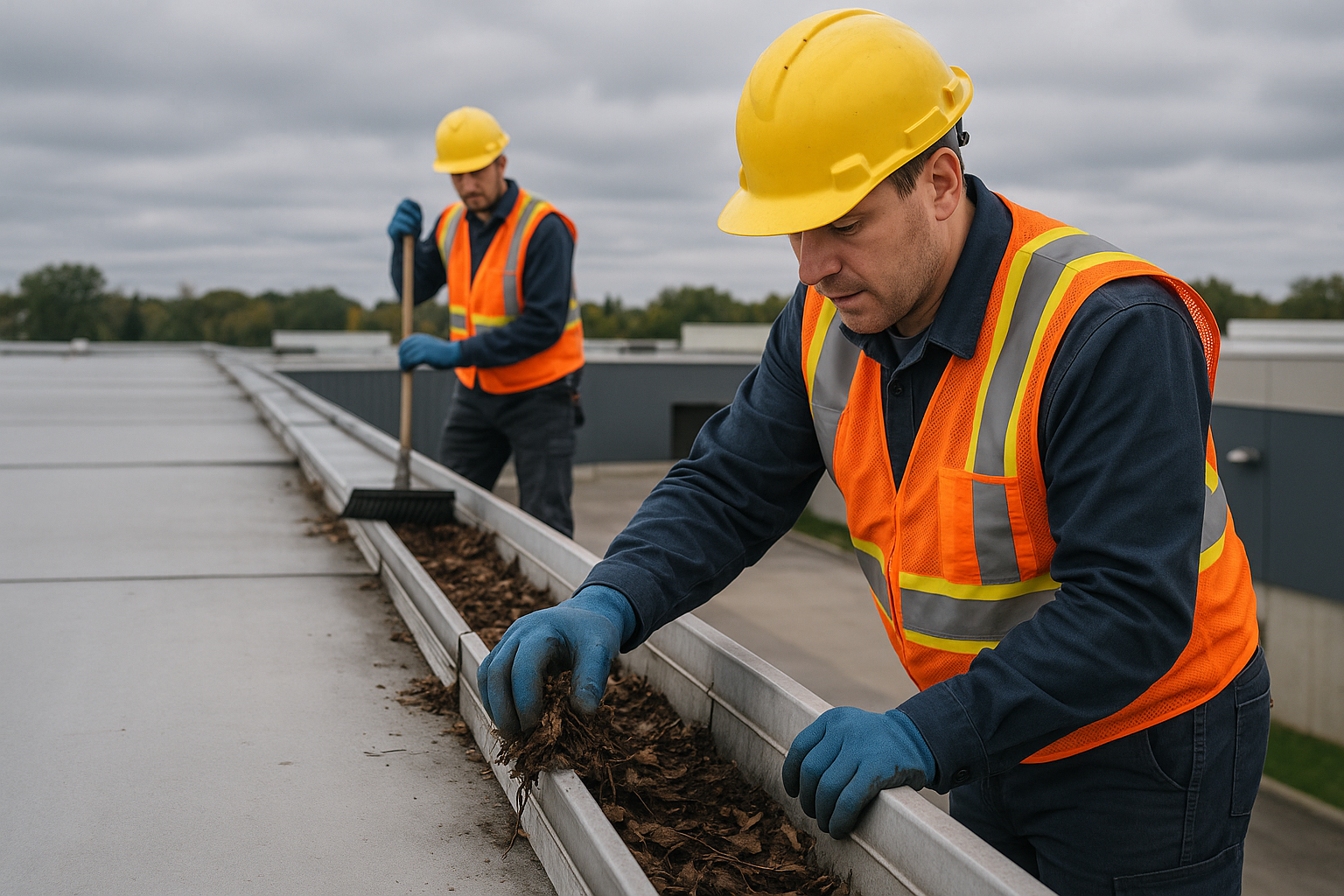
Heavy rain can dramatically affect your commercial roofing, leading to water damage and leaks. Ensuring your roof has proper drainage systems is critical. Clogged or inadequate drainage can lead to pooling water, which increases the risk of leaks and structural damage. Regularly inspecting gutters and downspouts can prevent these issues.
In addition to ensuring proper drainage, using water-resistant materials like modified bitumen or PVC can provide an added layer of protection. For businesses concerned about leak repairs, our roof leak repair services provide comprehensive solutions tailored to commercial needs.
Material Durability in Wet Conditions
The choice of roofing material plays a significant role in how well it withstands wet conditions. Materials such as metal and PVC are renowned for their durability and water resistance. These materials not only repel water effectively but also withstand the additional weight from water pooling.
Comparing different materials in terms of water resistance can help you make an informed decision. Below is a comparison table for commonly used roofing materials:
| Material | Water Resistance | Durability |
|---|---|---|
| Metal | High | 30-50 years |
| PVC | High | 20-30 years |
| Asphalt | Moderate | 15-20 years |
| EPDM | Moderate | 20-25 years |
| TPO | High | 15-20 years |
Evaluating your roofing needs against these materials can help in selecting the most effective solution for your business. For additional insights, consider reading about flat roofing options for commercial properties.
Financial Implications of Rain Damage
Financially, rain damage can be costly if not addressed promptly. Repair costs for water damage can range from $5 to $10 per square foot, depending on the severity. This underscores the importance of regular inspections and maintenance to avoid larger expenses.
Understanding your insurance requirements can also help manage these costs, as many policies offer coverage for weather-related damages. Securing comprehensive coverage ensures you are protected against unforeseen expenses.
The Role of Windstorms in Roofing Performance
Structural Integrity and Wind Resistance
Windstorms pose a significant threat to the structural integrity of commercial roofing. High winds can lift shingles, tear off roofing membranes, and cause debris to impact surfaces, leading to severe damage. Ensuring that your roof is properly secured and using wind-resistant materials can mitigate these risks.
For those interested in enhancing their roof’s wind resistance, exploring the benefits of metal roofing can provide valuable insights. Metal roofs are known for their durability and ability to withstand high wind speeds, making them an excellent choice for areas prone to windstorms.
Maintenance Strategies for Wind Damage
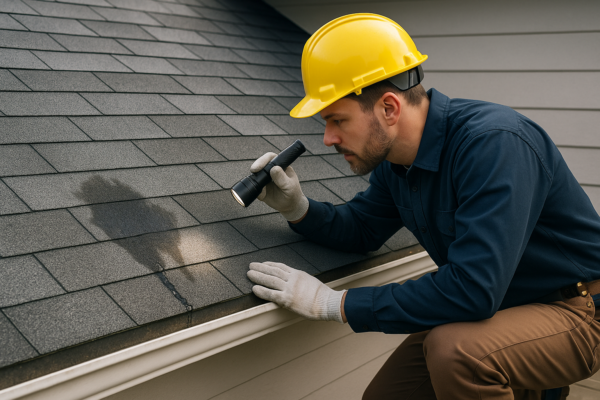
Proactive maintenance is crucial to protect your roof from wind damage. This includes regular inspections to ensure all components are secure, particularly after a windstorm. Key areas to focus on include flashing, vents, and any protrusions, as these are often the first to sustain damage.
Implementing a routine maintenance schedule can significantly extend your roof’s lifespan. Practical tips for maintaining your roof include:
- Conducting bi-annual inspections and after major storms
- Ensuring all fasteners and seams are secure
- Clearing debris from the roof surface and gutters
- Addressing minor repairs promptly to prevent escalation
Cost Management and Insurance Considerations
Managing costs related to wind damage involves understanding both repair expenses and insurance coverage. Repairing wind damage can cost between $500 and $3,000, depending on the extent. It is advisable to check your insurance policy to confirm coverage for wind-related damages.
For a detailed understanding of roofing costs, including how to get a detailed quote for your commercial roofing needs, consider reaching out to professionals who can provide accurate assessments and estimates.
Frequently Asked Questions
How do extreme weather conditions affect commercial roofing performance?
Extreme weather conditions such as heat, rain, and wind can lead to structural damage, leaks, and reduced lifespan of commercial roofing systems. These elements cause expansion, contraction, and stress on roofing materials, necessitating regular inspections and maintenance.
What materials are best for withstanding extreme weather conditions?
Materials like metal, TPO, and PVC are known for their durability and resistance to extreme weather. They offer excellent protection against UV rays, water, and wind, making them ideal for areas with harsh climates.
How often should I inspect my commercial roof?
It is recommended to inspect your commercial roof bi-annually and after major weather events. Regular inspections help identify potential issues early, preventing costly repairs and extending the roof’s lifespan.
What steps can I take to prepare my roof for extreme weather?
To prepare your roof for extreme weather, ensure proper drainage, use weather-resistant materials, and conduct regular maintenance. Securing loose components and addressing minor damages promptly can also prevent major issues during adverse weather conditions.
Conclusion
Understanding how extreme weather conditions affect commercial roofing performance is crucial for businesses in the San Gabriel Valley. By choosing the right materials, conducting regular maintenance, and preparing for weather-related challenges, you can enhance your roof’s durability and longevity. For more information on protecting your commercial property, visit our commercial roofing page and explore our range of services designed to meet your specific needs.