Average Cost of Commercial Roofing Explained
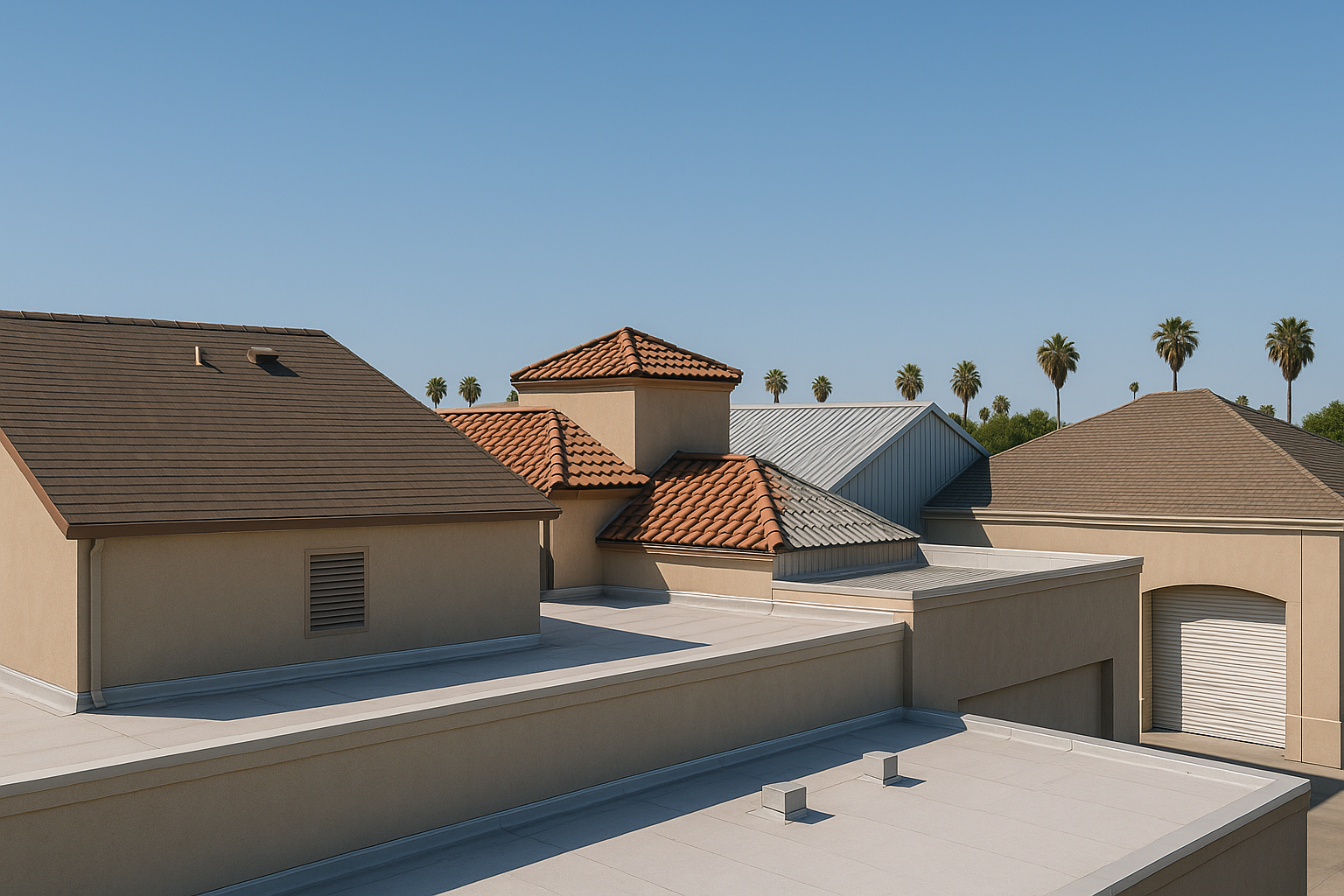
Understanding the average cost of commercial roofing is crucial for any business owner looking to maintain or replace the roof of their commercial property. In this comprehensive guide, we’ll explore the factors that influence these costs, provide practical tips for budgeting, and offer insights into various roofing options. For those in Southern California, where weather can greatly impact roofing needs, this information is especially pertinent.
Key Takeaways
- The average cost of commercial roofing varies significantly based on materials, labor, and location.
- Choosing the right roofing type can enhance energy efficiency and reduce long-term expenses.
- Regular maintenance is crucial to prolong the lifespan of your commercial roof.
- Understanding local climate impacts helps in selecting the most suitable roofing materials.
- Investing in energy-efficient roofing options can lead to significant savings on energy bills.
Factors Influencing the Average Cost of Commercial Roofing
Material Choices and Their Impact
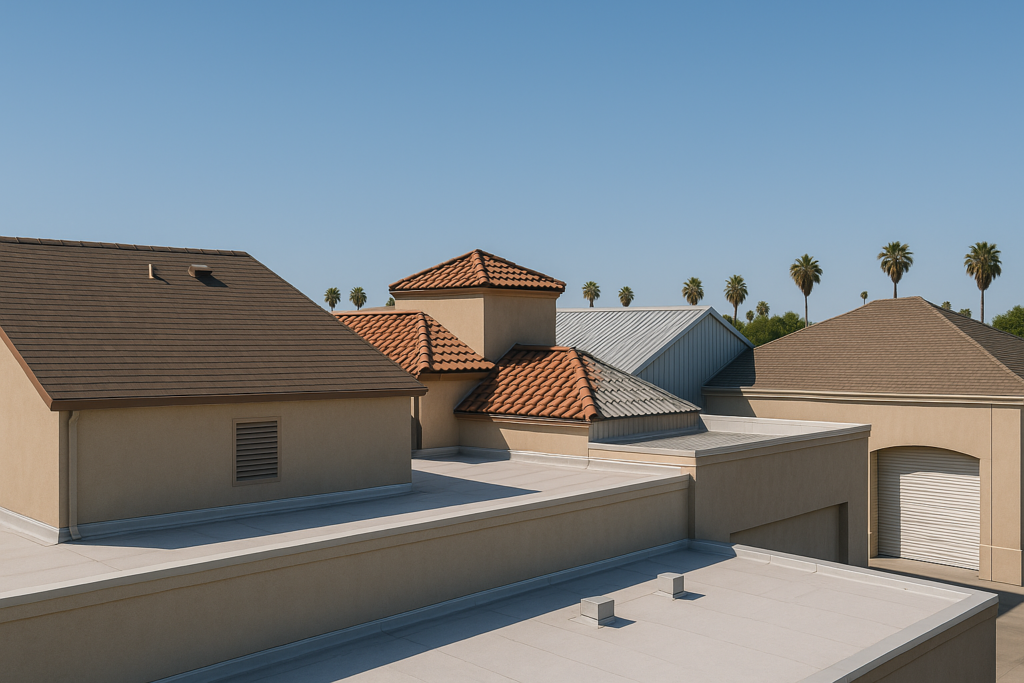
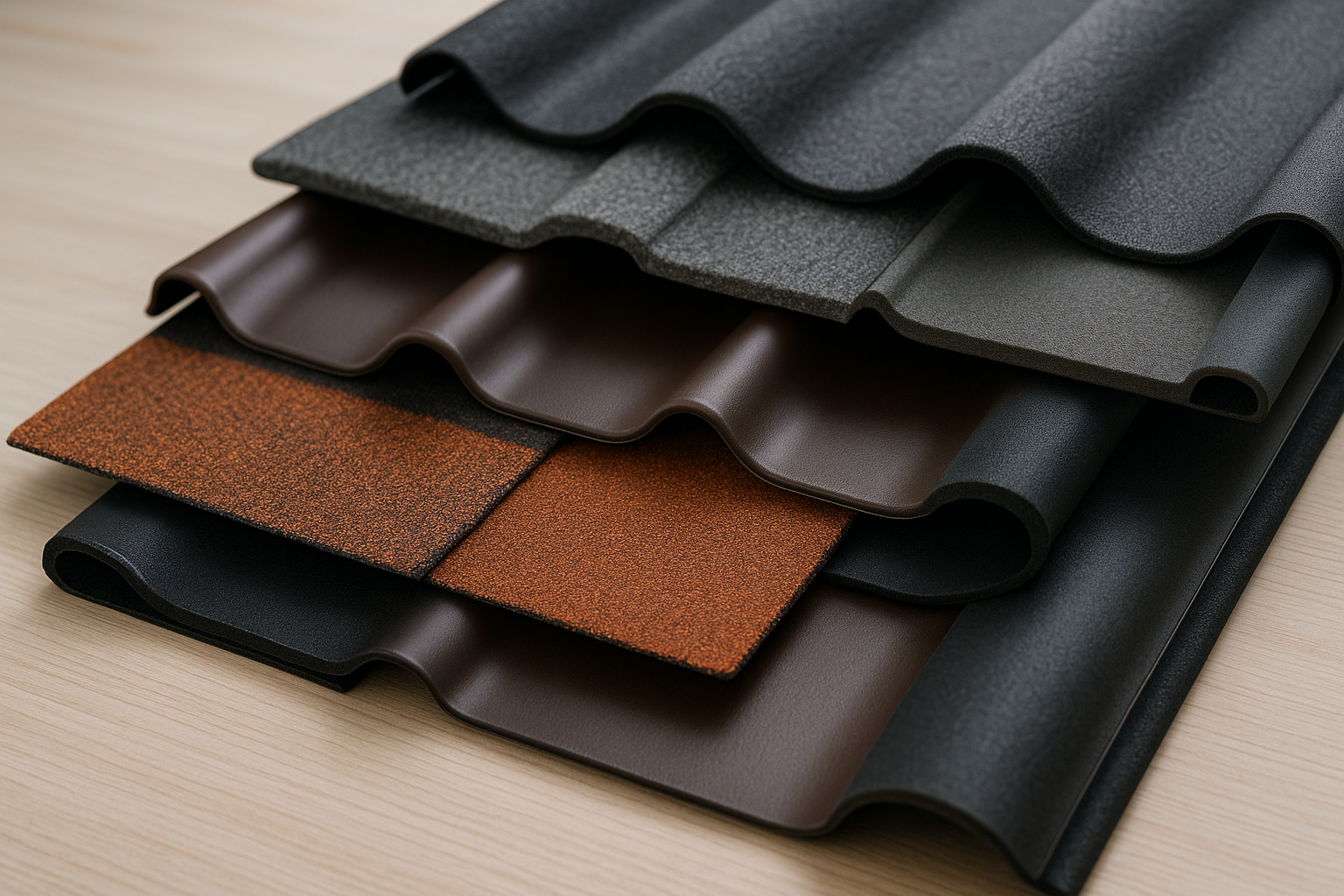
One of the primary factors affecting the average cost of commercial roofing is the choice of materials. Different materials come with varying price tags, durability, and maintenance needs. Popular choices include TPO, EPDM, metal, and asphalt shingles. For example, metal roofing is known for its durability and long lifespan but comes at a higher initial cost compared to other materials.
When selecting materials, consider not only the upfront costs but also the longevity and maintenance requirements. For instance, TPO is a cost-effective option that offers good energy efficiency, making it popular in regions like Southern California where reducing energy costs is crucial. Learn more about energy-efficient roofing options to maximize your investment.
Labor Costs and Installation Complexity
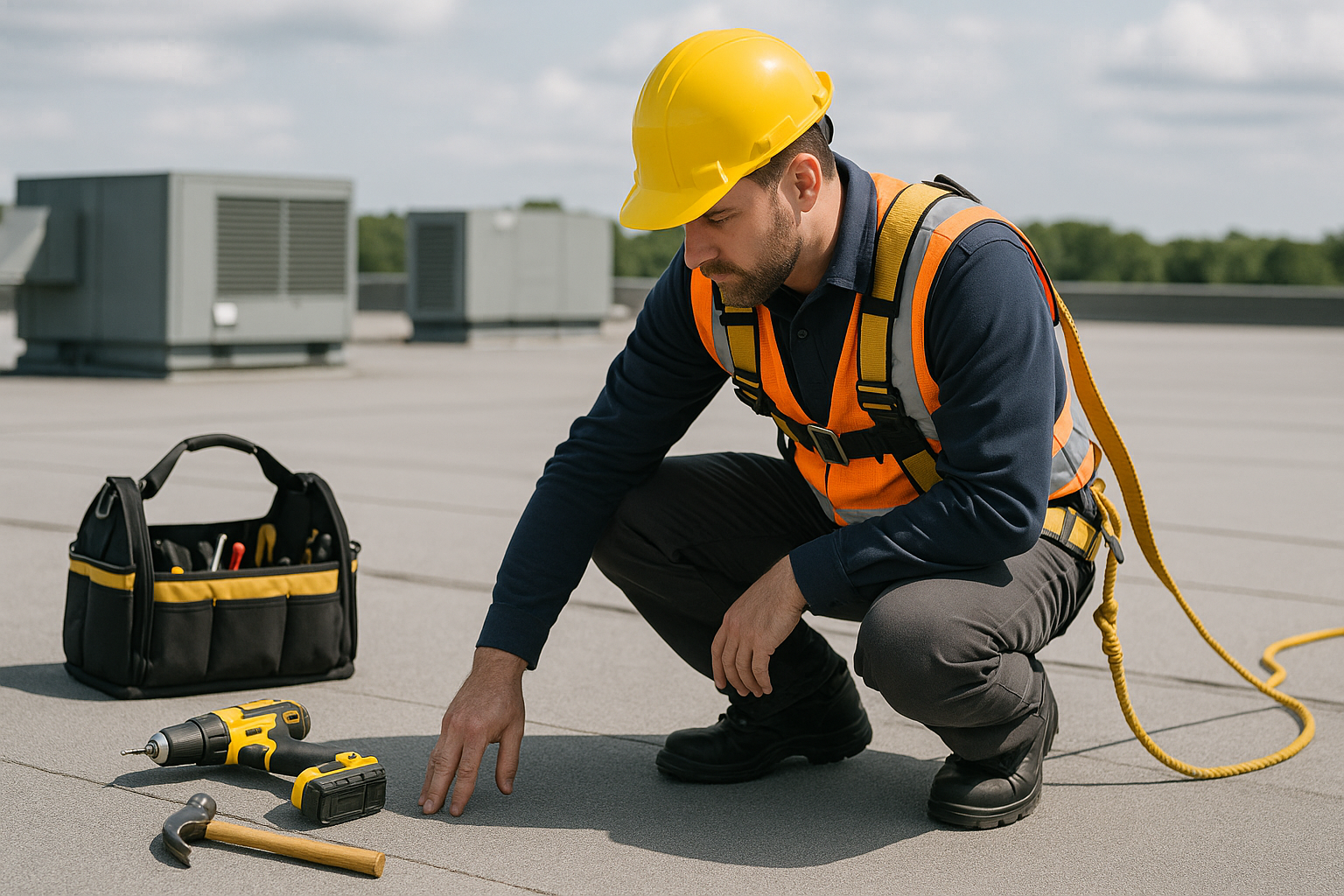
Labor costs are another significant component of the average cost of commercial roofing. These costs can vary greatly depending on the complexity of the installation and the local labor market. In areas like the San Gabriel Valley, where skilled labor is in demand, you can expect to pay a premium for quality installation services.
Complex roofing systems, such as those with multiple layers or intricate designs, will naturally incur higher labor costs. It’s essential to choose a reputable contractor who can provide a detailed estimate and has experience with the specific type of roof you’re installing. Consider reading our guide on the importance of selecting experienced roofing experts to ensure quality workmanship.
Geographical and Climatic Considerations
Location plays a critical role in determining the average cost of commercial roofing. In Southern California, the climate demands roofing solutions that can withstand high temperatures and occasional heavy rains. This can influence the choice of materials and the overall expenditure on the roofing project.
For example, cool roofing technologies are highly recommended in warmer climates as they reflect more sunlight and absorb less heat. This not only reduces the cooling load on the building but can also lead to energy savings. Explore more about cool roofing options that can enhance your building’s efficiency.
Cost Breakdown of Different Commercial Roofing Types
Comparison of Roofing Materials
Understanding the cost differences between materials can help you make an informed decision. Here’s a comparison of various popular commercial roofing materials:
| Material | Average Cost per Square Foot | Longevity |
|---|---|---|
| TPO | $5 – $7 | 15-20 Years |
| EPDM | $4 – $6 | 20-25 Years |
| Metal | $7 – $12 | 40-70 Years |
| Asphalt Shingles | $3 – $5 | 20-30 Years |
| Built-Up Roofing (BUR) | $5 – $8 | 20-30 Years |
As shown, while metal roofing has a higher upfront cost, its longevity can make it a cost-effective choice over time. Meanwhile, TPO offers a balance between cost and energy efficiency, making it a popular choice for many businesses in Southern California.
Energy Efficiency and Long-Term Savings
Investing in energy-efficient roofing options can significantly impact the average cost of commercial roofing by reducing long-term energy expenses. Choosing reflective materials or installing green roofs can help maintain a stable interior temperature, thus lowering the building’s energy consumption.
For businesses focused on sustainability, sustainable roofing options not only reduce energy costs but can also qualify for energy tax credits. Read more about maximizing your savings through energy tax credits.
Maintenance and Repair Costs
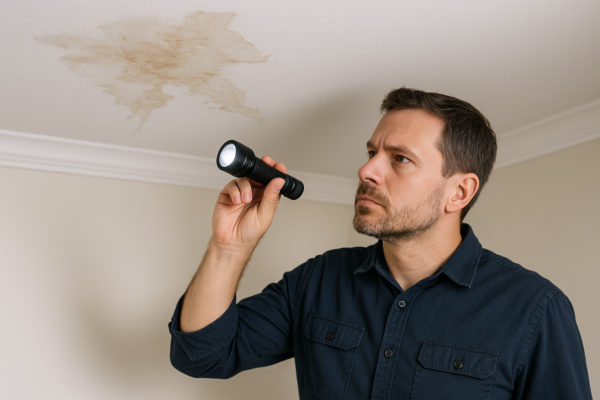
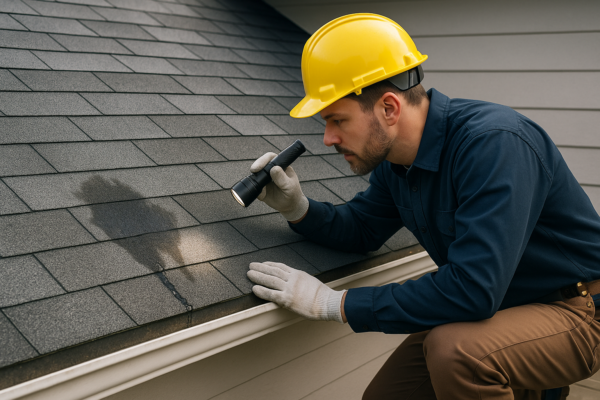
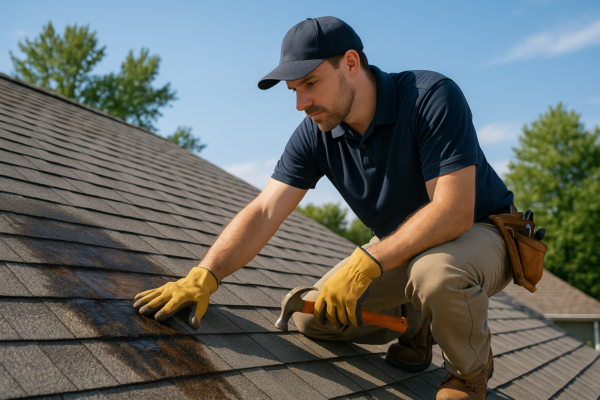
Regular maintenance is vital to prolonging the lifespan of your commercial roof and avoiding costly repairs. The frequency and type of maintenance required will depend on the roofing material and the local climate. For instance, in Southern California, regular inspections can help identify and address issues such as UV damage or leaks early on.
- Schedule bi-annual inspections to catch potential issues early.
- Ensure gutters and drains are clear to prevent water pooling.
- Address minor repairs promptly to avoid larger issues.
- Consider investing in a maintenance contract for regular check-ups.
Learn about the importance of regular maintenance and how it can save you money in the long run.
Budgeting Tips for Commercial Roofing Projects
Creating an Accurate Budget
Accurate budgeting for a commercial roofing project involves more than just estimating material and labor costs. It’s important to account for potential unexpected expenses, such as additional structural repairs or enhancements required to meet local building codes.
When planning your budget, consider the following:
- Factor in a contingency fund, typically around 10-15% of the total project cost, for unforeseen expenses.
- Research local building code requirements that may impact your roofing project.
- Consult with multiple contractors to get a range of estimates and services offered.
To ensure you’re getting the best deal, compare installation costs and understand what each contractor includes in their quote.
Choosing the Right Contractor
Selecting a reputable contractor is crucial for achieving a successful outcome with your commercial roofing project. Look for contractors with a proven track record, appropriate licenses, and positive customer reviews. Additionally, ensure they provide a detailed contract outlining all aspects of the project.
Key considerations when selecting a contractor include:
- Verifying their insurance and licenses are current and applicable to your area.
- Requesting references from past clients and checking their feedback.
- Ensuring they offer warranties on both materials and workmanship.
Engage with local experts who understand the specific needs of businesses in the San Gabriel Valley by visiting our trusted roofing experts.
Evaluating Long-Term Financial Benefits
When evaluating the average cost of commercial roofing, it’s essential to consider the long-term financial benefits. A roof that reduces energy consumption, requires minimal maintenance, and lasts longer can offer substantial savings over time. For instance, opting for a cool roof can lead to lower cooling costs, while a durable material like metal can reduce repair and replacement expenses.
Assessing these factors can help you determine the true value of your investment and make a decision that aligns with your business goals. Delve into the benefits of various roofing options to make an informed choice.
Frequently Asked Questions
What is the average lifespan of a commercial roof?
The average lifespan of a commercial roof depends on the materials used. For instance, TPO and EPDM roofs typically last 15-25 years, while metal roofs can last 40-70 years. Regular maintenance can extend the lifespan of any roofing type.
How can I reduce the cost of a commercial roofing project?
To reduce the cost of a commercial roofing project, consider investing in energy-efficient materials that offer long-term savings. Additionally, obtaining multiple quotes and choosing a reputable contractor can prevent costly mistakes. Explore energy-saving tips that could lower your initial and ongoing expenses.
What are the benefits of sustainable roofing options?
Sustainable roofing options offer numerous benefits, including reduced energy costs, improved building efficiency, and potential eligibility for tax credits. These roofs also contribute to environmental conservation by minimizing the heat island effect and using eco-friendly materials.
Why is regular maintenance important for commercial roofs?
Regular maintenance is crucial for identifying and addressing potential issues before they escalate into costly repairs. It ensures the roof remains in optimal condition, extends its lifespan, and protects your investment. Discover more about the importance of preventive maintenance.
Conclusion
Understanding the average cost of commercial roofing involves evaluating various factors such as materials, labor, and location-specific requirements. By considering energy efficiency, long-term savings, and regular maintenance, you can make informed decisions that align with your business needs. Whether you’re selecting materials or choosing a contractor, the right choices will ensure a durable, cost-effective roof that enhances your property’s value and performance. For more detailed information on specific roofing types and expert guidance, visit the commercial roofing page on Roof Titan’s website.