Cost-Effective Strategies for Effective Roof Repairs
When it comes to maintaining the integrity of your home, implementing cost-effective roof repair strategies is crucial. Understanding various repair options can help you make informed decisions that extend the lifespan of your roof without breaking the bank. In this guide, we’ll explore practical approaches to roof repairs, particularly in the climate of Southern California, where unique weather conditions play a significant role in roofing maintenance.
Key Takeaways
- Understanding different roof repair strategies can save you money and extend the life of your roof.
- Regular maintenance and timely repairs are essential for preventing costly damage.
- Choosing the right materials and methods for your specific roof type can optimize repair costs.
- Consulting professionals ensures your roof repairs are effective and long-lasting.
- Comparing repair options helps in selecting the most cost-effective solutions.
Identifying Cost-Effective Roof Repair Strategies
Routine Inspections and Maintenance
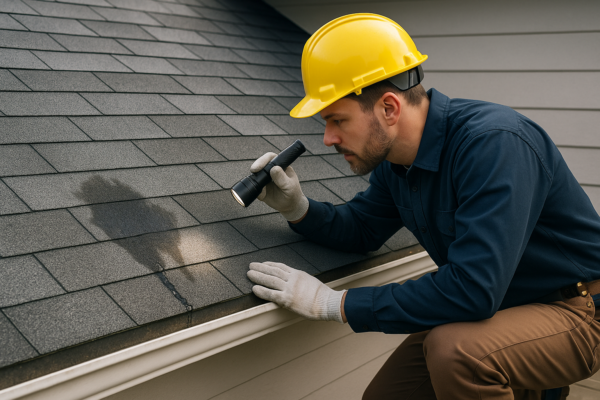
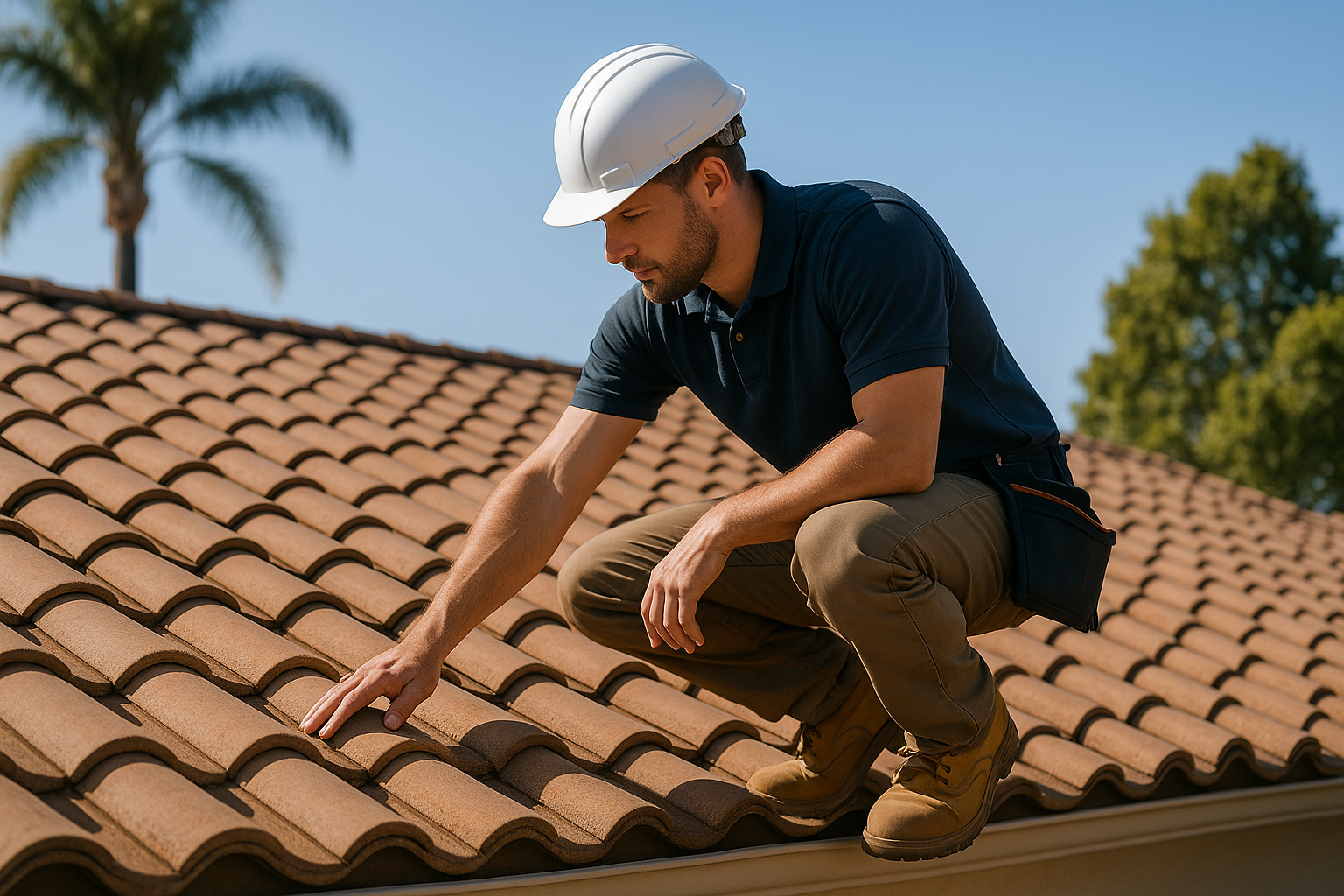
Regular roof inspections are a fundamental part of any maintenance strategy. By identifying issues early, you can address minor problems before they escalate into major repairs. In Southern California, where the climate is relatively dry but occasionally subject to heavy rains, it’s important to check for any water damage or debris buildup at least twice a year.
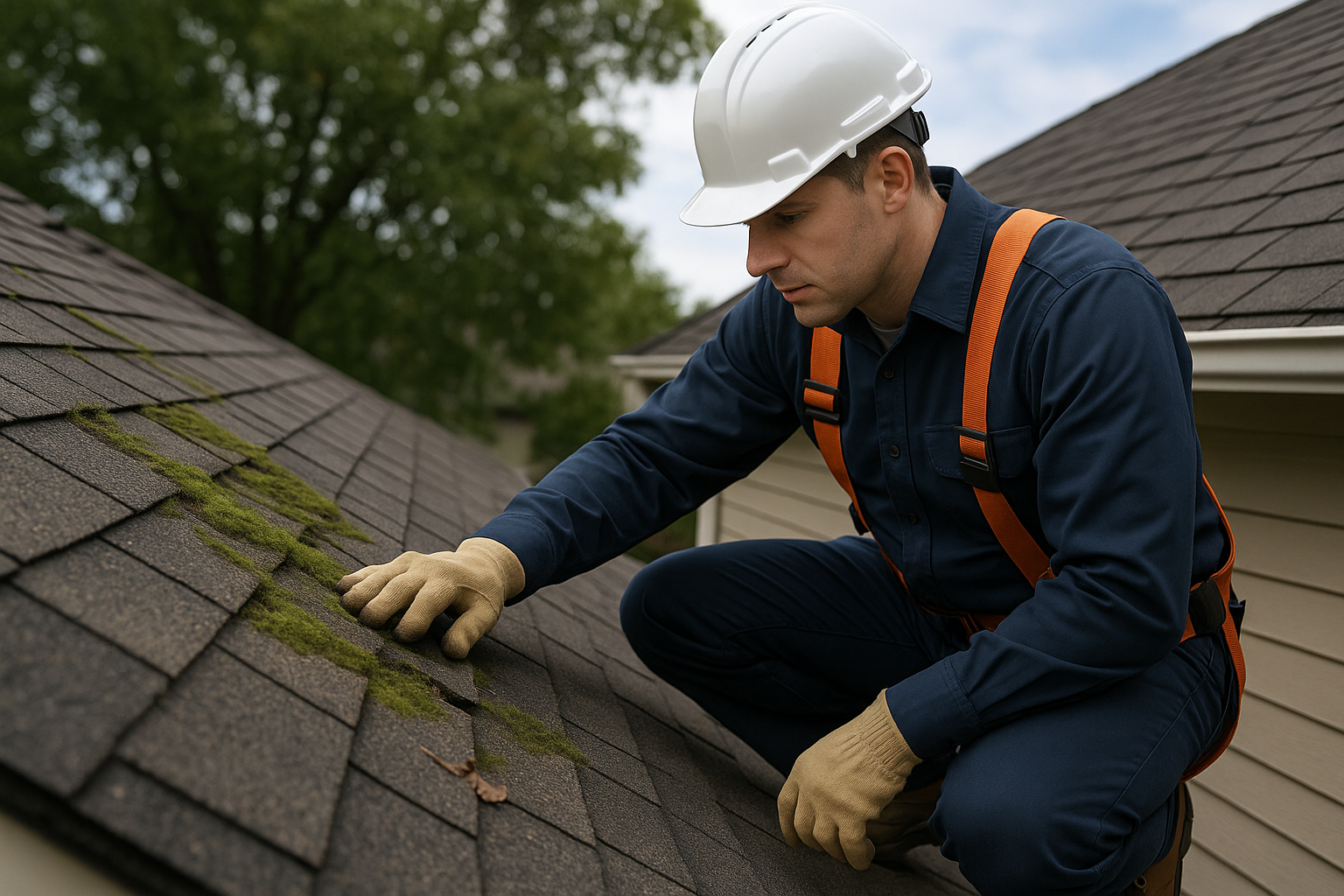
Inspections typically cost between $200 and $600, which is a small investment compared to the potential cost of major repairs. During these inspections, a professional will look for signs of wear such as cracked shingles, rusted flashing, and clogged gutters. Keeping up with regular roof inspections not only prevents damage but also enhances your roof’s overall efficiency and longevity.
Choosing the Right Materials
Selecting the appropriate materials for your roof type is key to implementing cost-effective roof repair strategies. For instance, asphalt shingles are generally less expensive and easier to replace than other materials, making them a popular choice for many homeowners. However, if you have a metal or tile roof, using high-quality materials that match the existing structure is crucial to maintaining durability and efficiency.
Here’s a comparison of common roofing materials and their cost-effectiveness:
| Material | Average Cost per Square Foot | Pros and Cons |
|---|---|---|
| Asphalt Shingles | $3 – $5 | Cost-effective, easy to install, but shorter lifespan |
| Metal Roofing | $5 – $12 | Durable, energy-efficient, but higher upfront cost |
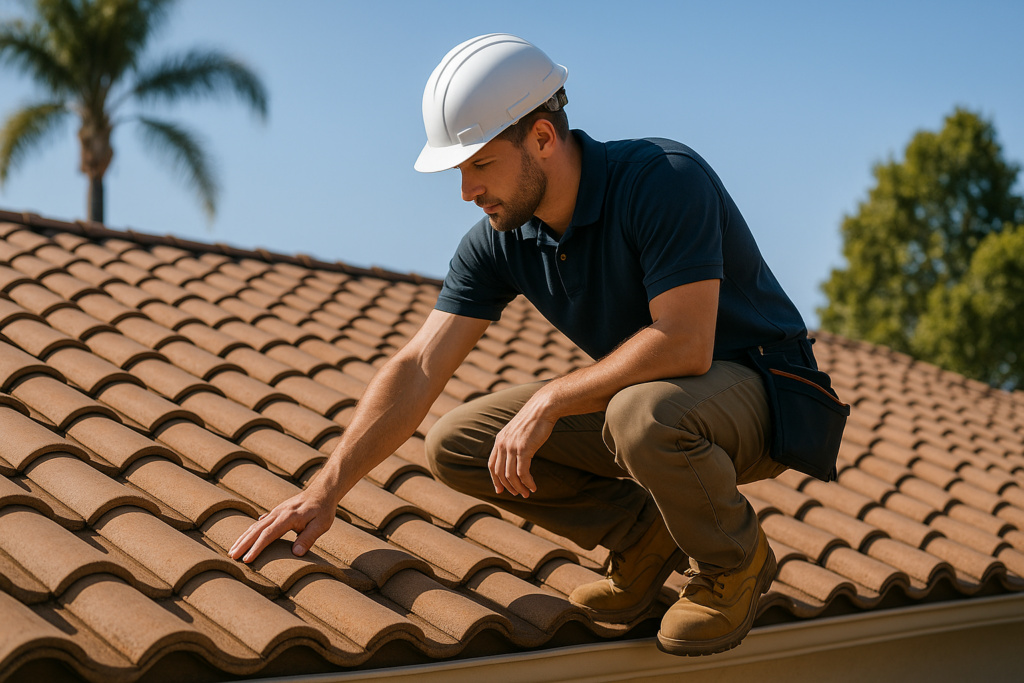
| Tile Roofing | $7 – $15 | Long-lasting, aesthetically pleasing, but heavy |
Timely Repairs
Addressing repairs promptly is one of the most effective ways to keep costs down. Ignoring minor issues can lead to significant damage that requires more extensive repairs. Consider fixing problems such as leaks, broken shingles, and damaged flashing as soon as they occur. The average cost for minor repairs ranges from $150 to $400, much less than the $3,000 to $10,000 you might spend on major repairs.
For more insights on managing repair budgets, see our guide on budgeting strategies for roof repairs.
Evaluating Professional vs. DIY Repairs
Benefits of Professional Services
Engaging professional roof repair services offers several advantages, especially in terms of quality and safety. Professionals not only bring expertise but also have access to the right tools and materials. They can efficiently handle complex repairs that might be challenging for a DIY enthusiast. Moreover, professional repairs often come with warranties, ensuring peace of mind.
For instance, our commercial roofing services include comprehensive leak detection and repair, which is critical in preventing water damage that can be costly to fix. Hiring experts can also be a safer option, as roof work often involves the risk of falls and injuries.
DIY Repair Considerations
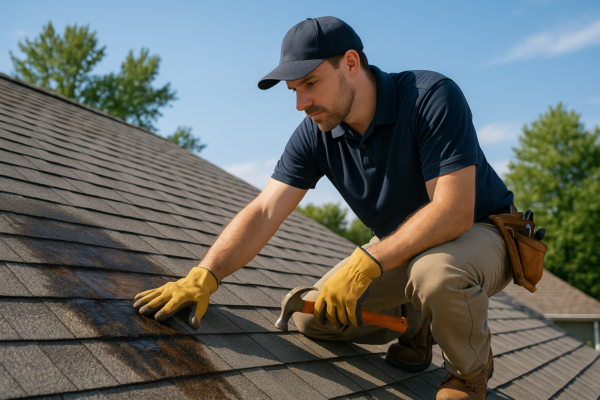
While some homeowners might be tempted to handle minor repairs themselves to save money, it’s essential to weigh the risks and benefits. DIY repairs can be cost-effective for small, straightforward issues like replacing a few shingles. However, they require a certain level of skill and safety precautions, particularly when working on roofs with steep slopes or complex designs.
Consider these tips if you’re opting for DIY repairs:
- Ensure you have the right tools and materials.
- Follow safety protocols, such as using a harness and stable ladder.
- Be realistic about your skills and limitations.
Cost Comparison
To help decide whether to hire a professional or tackle repairs yourself, compare the potential costs:
| Repair Type | DIY Cost | Professional Cost |
|---|---|---|
| Minor Shingle Replacement | $50 – $100 | $150 – $300 |
| Leak Repair | $100 – $200 | $350 – $750 |
| Flashing Repair | $75 – $150 | $250 – $500 |

Long-Term Strategies for Roof Longevity
Implementing Preventive Maintenance
Preventive maintenance is a proactive approach to extend the lifespan of your roof. Regular cleaning, debris removal, and gutter maintenance are simple yet effective practices. In Southern California, where dry summers can lead to accumulated debris and clogged gutters, these tasks are particularly important.
For detailed guidance, check out our preventive maintenance tips. These practices not only prevent damage but also prepare your roof for seasonal changes.
Seasonal Adjustments
Adapting your maintenance schedule to the seasons is a crucial aspect of cost-effective roof repair strategies. During the rainy season, ensure your roof is equipped to handle increased water flow by checking for leaks and ensuring gutters are clear. In the dry months, focus on removing any dry debris that could become a fire hazard.
For more information on seasonal care, visit our seasonal maintenance guide.
Investing in Quality Materials
While it may seem counterintuitive, investing in high-quality materials can be a cost-effective strategy in the long run. Durable materials like metal or advanced composite shingles offer longer lifespans and better resistance to weather extremes. This investment reduces the frequency of repairs and replacements, ultimately saving money over time.
For businesses considering roof upgrades, our metal roofing benefits article provides valuable insights.
Frequently Asked Questions
How often should I inspect my roof?
It’s advisable to inspect your roof at least twice a year, typically in the spring and fall. However, after a major storm or unusual weather, an additional check can prevent potential damage.
What are the most common signs of roof damage?
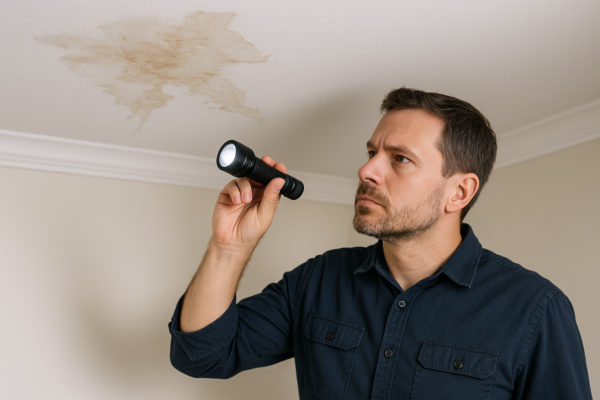
Look for cracked or missing shingles, water stains on ceilings, and visible sagging. These are indicators that your roof may need repairs. Regular inspections can help spot these issues early.
Is it cheaper to repair or replace a roof?
In general, repairing a roof is cheaper than replacing it. However, if the roof is nearing the end of its lifespan or has extensive damage, replacement might be more cost-effective in the long run.
How do I choose the best roofing contractor?
Look for contractors with solid reputations, verified credentials, and positive reviews. Ensure they offer warranties on their work and have experience with your specific roof type.
Conclusion
Implementing cost-effective roof repair strategies involves regular maintenance, timely repairs, and informed material choices. Whether opting for professional services or considering DIY solutions, your approach should always prioritize safety and quality. By evaluating your options and consulting experts when necessary, you can maintain a durable roof that effectively protects your home or business for years to come.