Essential Seasonal Roof Maintenance Checklist for Property Owners
Maintaining the integrity of your roof is crucial, especially in the varied climate of Southern California. A comprehensive **seasonal roof maintenance checklist** can help you identify potential issues before they become costly repairs. By following the right steps at the right time, you can extend the life of your roof and ensure your property remains protected year-round.
Key Takeaways
- A **seasonal roof maintenance checklist** helps prevent expensive repairs by identifying issues early.
- Inspecting your roof in different seasons addresses specific weather challenges in Southern California.
- Regular maintenance can extend the lifespan of your roof and increase your property’s value.
- Professional inspections can identify hidden problems that homeowners might miss.
Fall Roof Maintenance Tasks
Inspecting for Debris and Damage
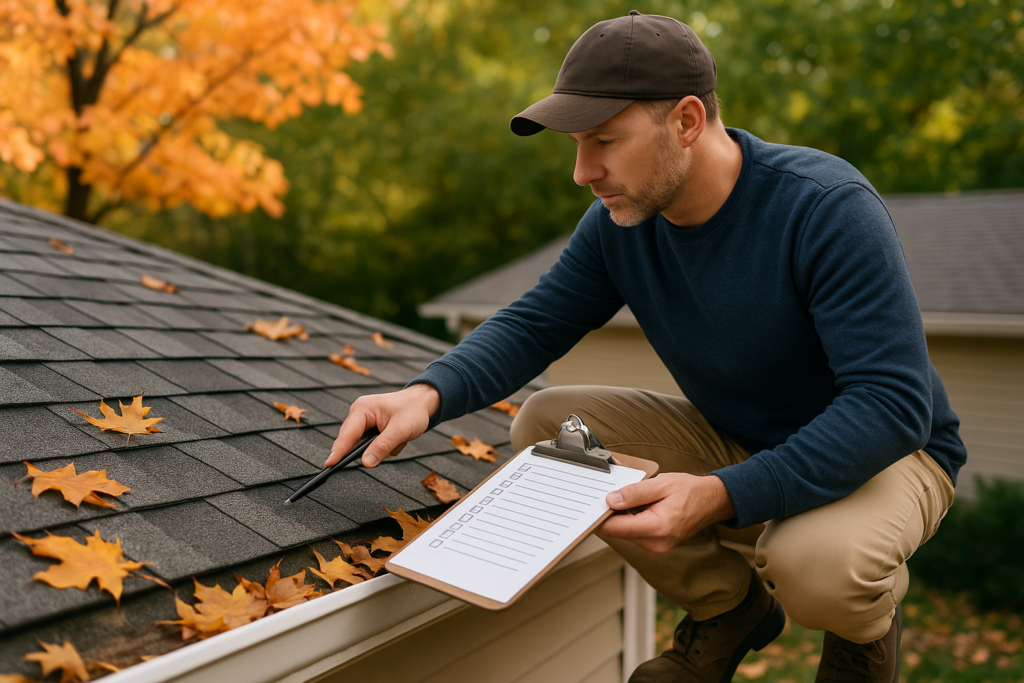
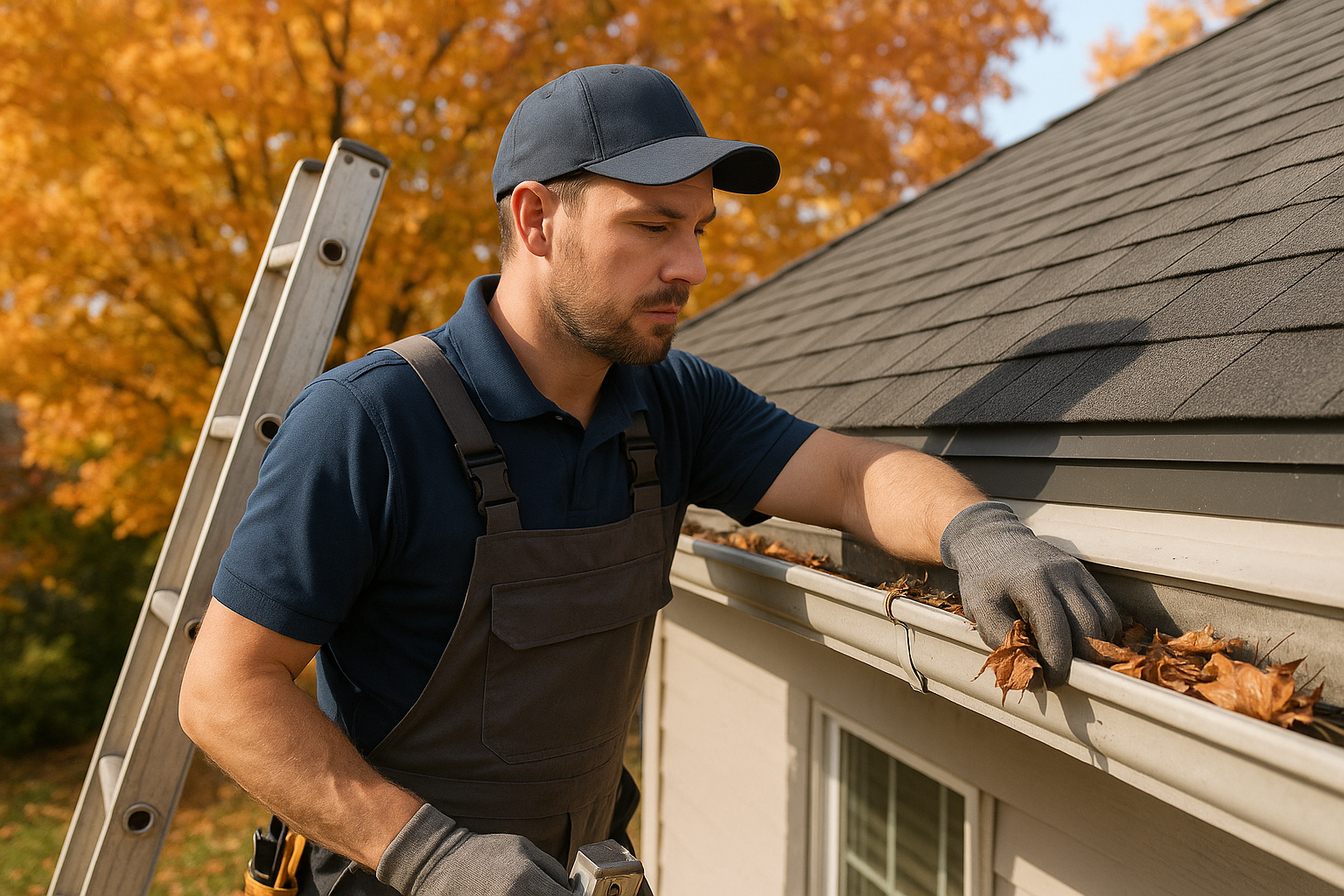
As the leaves begin to fall, it’s important to remove any debris that can accumulate on your roof. Leaves, branches, and other materials can trap moisture, leading to mold growth and roof rot. Start by clearing your gutters to ensure that rainwater can drain properly. Stagnant water can seep under shingles, causing leaks and extensive water damage.
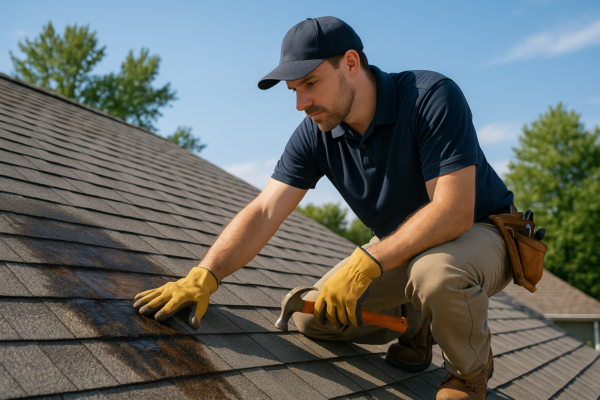
In addition, check for visible signs of damage such as cracked or missing shingles. The **Southern California climate**, with its occasional autumn rains, can exacerbate existing problems. Addressing these issues promptly can prevent more severe damage during the rainy winter months.
Performing a Detailed Roof Inspection
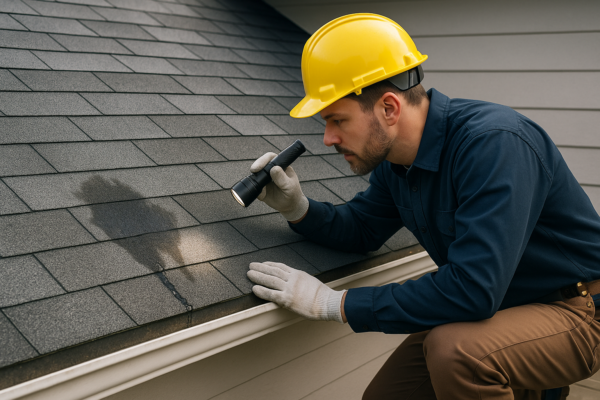
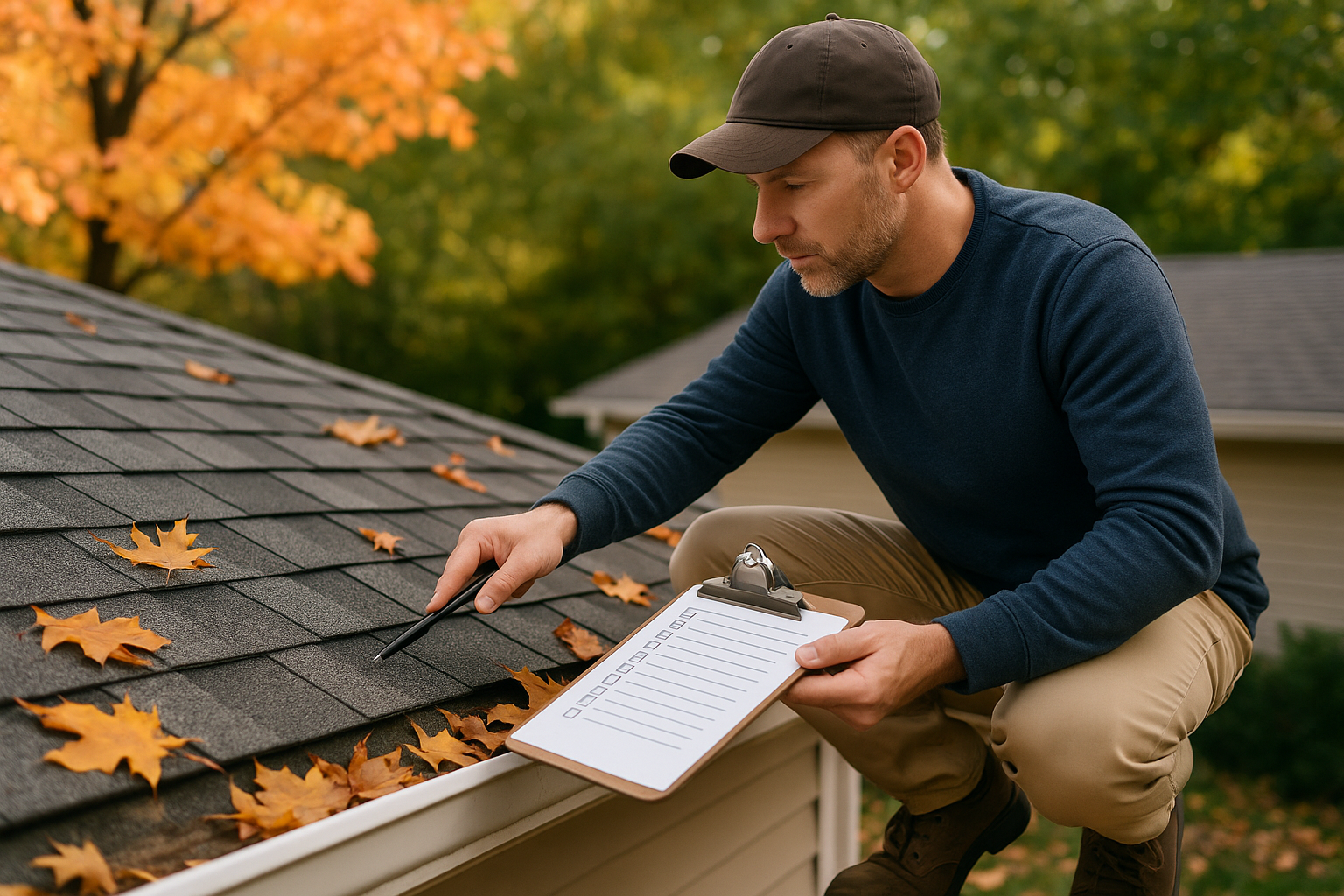
Conducting a detailed inspection of your roof in the fall can help uncover potential issues before they become serious. Look for signs of wear and tear, such as curling shingles or sagging areas, which might indicate underlying structural issues. It’s also an ideal time to inspect flashing around chimneys and skylights to ensure they are secure and watertight.
Consider hiring a professional for a thorough inspection. Experts can provide valuable insights and identify problems that might not be visible to the untrained eye. A professional inspection is a wise investment that can save you money in the long run by avoiding costly repairs. For more on professional services, you can explore our commercial roofing options.
Preparing for Winter Weather
Preparing your roof for winter involves ensuring that it can withstand the increased moisture and cooler temperatures. This includes checking for adequate insulation and ventilation, which help maintain your home’s energy efficiency and prevent ice dams. Ice dams, though less common in Southern California, can still occur and cause significant damage.
Ensure that your attic is well-insulated and ventilated to avoid heat loss and condensation. If unsure about your attic’s current condition, a professional assessment can provide peace of mind. For more tips on how to protect your roof from winter damage, review our roof leak repair guide.
Winter Roof Maintenance Duties
Monitoring Roof Condition After Storms
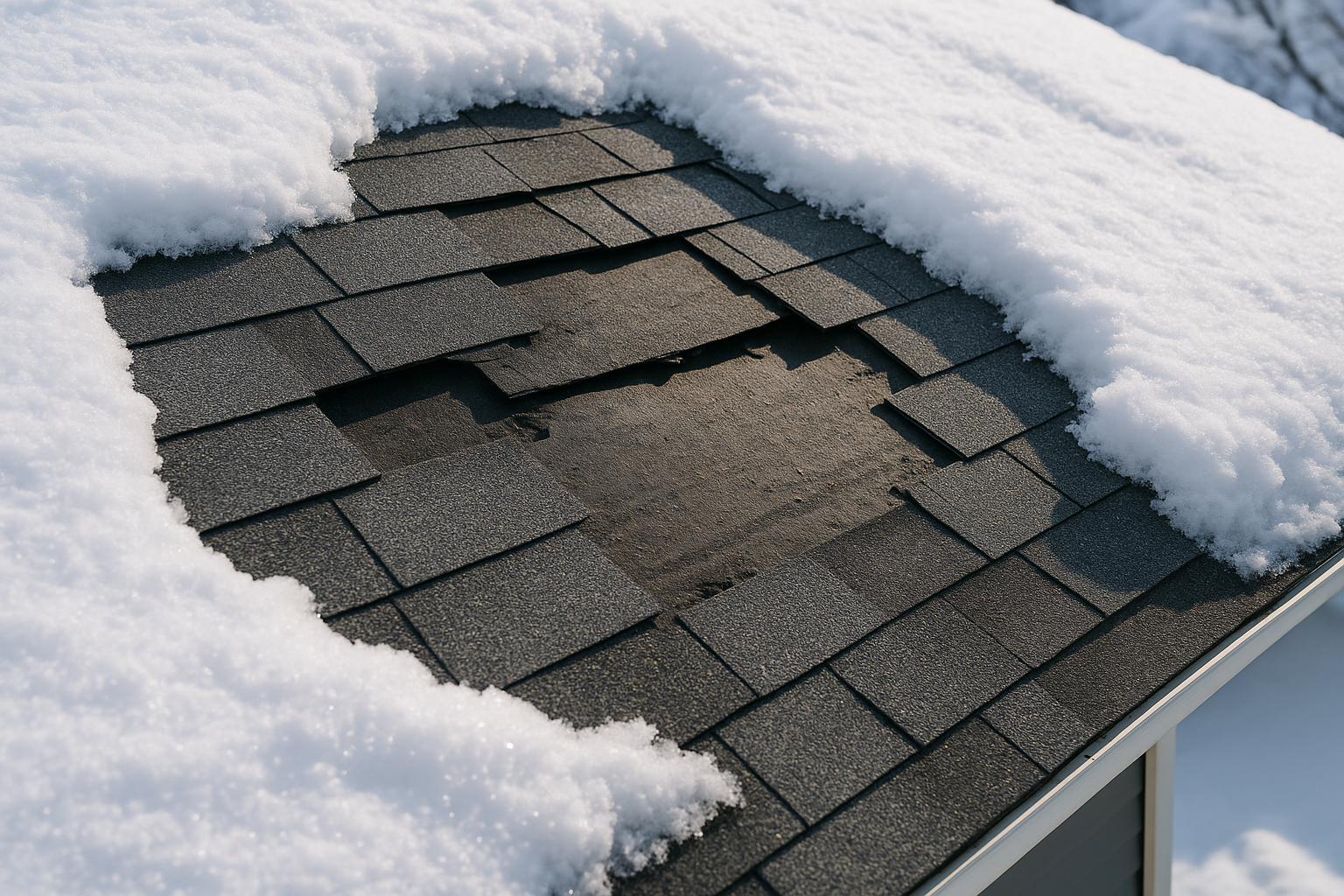
Winter storms, although less frequent in Southern California, can still impact your roof significantly. After any storm, conduct a visual inspection to check for damage such as broken shingles or displaced flashing. High winds can easily loosen materials, making them susceptible to leaks.
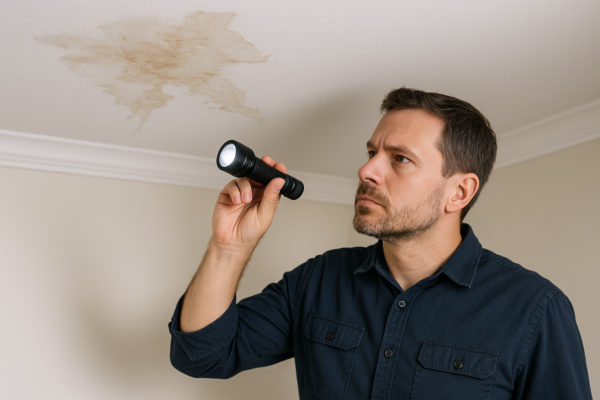
Keep an eye out for any signs of water intrusion inside your home, such as water stains on ceilings or walls, which may indicate a need for roof leak repair. Addressing these issues quickly can prevent further damage and costly repairs.
Ensuring Effective Drainage
Winter months can bring heavier rains. Ensuring your roof has effective drainage is crucial for preventing water accumulation. Clear any debris from gutters and downspouts regularly to facilitate proper water flow. Clogged gutters can lead to water pooling, which increases the risk of leaks and structural damage.
Consider installing gutter guards to minimize debris buildup and reduce maintenance efforts. This simple addition can significantly enhance your roof’s ability to handle heavy rainfall, a common occurrence during Southern California winters.
Checking Attic Ventilation and Insulation
Proper attic ventilation and insulation are key to maintaining a healthy roof during winter. Poor ventilation can lead to moisture buildup and potential mold growth, which can damage roof decking and shingles. Ensure that your attic vents are unblocked and functioning correctly.
Additionally, inspect your attic insulation. Adequate insulation helps maintain your home’s temperature, reducing the risk of ice dams and lowering your energy bills. If your insulation is lacking, consider upgrading to more efficient materials. For more guidance on improving your roof’s efficiency, see our seasonal maintenance tips page.
Spring Roof Maintenance Activities
Inspecting for Winter Damage
Spring is the perfect time to assess any damage your roof may have sustained during the winter months. Look for signs of wear such as damaged flashing, missing shingles, or sagging gutters. Addressing these issues early can prevent them from worsening as temperatures rise.
It is also a good idea to check for algae or moss growth, which can thrive in the damp, shaded areas of your roof. These organisms can cause significant damage if not treated promptly. A simple treatment with a low-pressure washing system can often remove these growths effectively.
Performing Routine Cleaning and Maintenance
Routine cleaning is an essential part of any **seasonal roof maintenance checklist**. In the spring, clear any remaining debris that may have accumulated over the winter. This includes checking and cleaning gutters, downspouts, and roof valleys.
Moreover, ensure that tree branches are not too close to your roof. Overhanging branches can scrape shingles and encourage animals to access your roof. Trimming these branches can prevent damage and maintain the structural integrity of your roof. For more comprehensive maintenance practices, visit our roof upkeep guide.
Preparing for Summer Heat
As summer approaches, ensure your roof is ready to withstand the intense Southern California heat. Check for any signs of sun damage, such as faded shingles or cracked tiles. These issues can compromise your roof’s ability to reflect heat and protect your home.
Consider installing reflective roof coatings to enhance your roof’s energy efficiency. Reflective coatings can significantly reduce your cooling costs by minimizing heat absorption. For more information on energy-efficient roofing solutions, explore our metal roofing options article.
Frequently Asked Questions
How often should I inspect my roof?
It’s recommended to inspect your roof at least twice a year, typically in the spring and fall. However, after significant weather events, additional inspections may be necessary to check for damage.
What are common signs of roof damage?
Common signs of roof damage include missing or cracked shingles, visible water stains on ceilings, and sagging roof areas. If you notice any of these signs, consider scheduling a professional inspection.
Can I perform roof maintenance myself?
While some maintenance tasks like gutter cleaning can be done by homeowners, it is advisable to hire professionals for more complex tasks like inspections and repairs. Professionals have the expertise to safely and effectively maintain your roof.
What can I do to extend my roof’s lifespan?
Regular maintenance, proper ventilation, and addressing minor repairs promptly can significantly extend your roof’s lifespan. For more detailed advice, refer to our roof lifespan extension tips.
Conclusion
Implementing a **seasonal roof maintenance checklist** is an essential step for any property owner looking to protect their investment. By conducting regular inspections, performing timely maintenance, and addressing repairs promptly, you can ensure your roof remains in optimal condition year-round. For more professional guidance, consider exploring our commercial roofing services and related resources.