Essential Roof Maintenance Tips for Longevity
Maintaining your roof is crucial to ensure its longevity and performance, especially in the varied climate of Southern California. Implementing the **best practices for roof upkeep** can prevent costly repairs and extend the life of your roofing system. This comprehensive guide details essential tips and strategies to help you maintain a robust and durable roof.
Key Takeaways
- Regular inspections are vital for early detection of potential roof issues.
- Proper cleaning and maintenance can prevent mildew and damage.
- Choosing the right materials enhances roof longevity and performance.
- Timely repairs and maintenance can save money in the long run.
Regular Roof Inspections
The Importance of Routine Checks
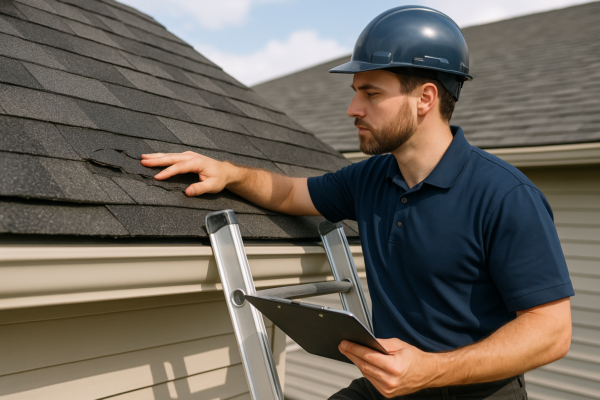
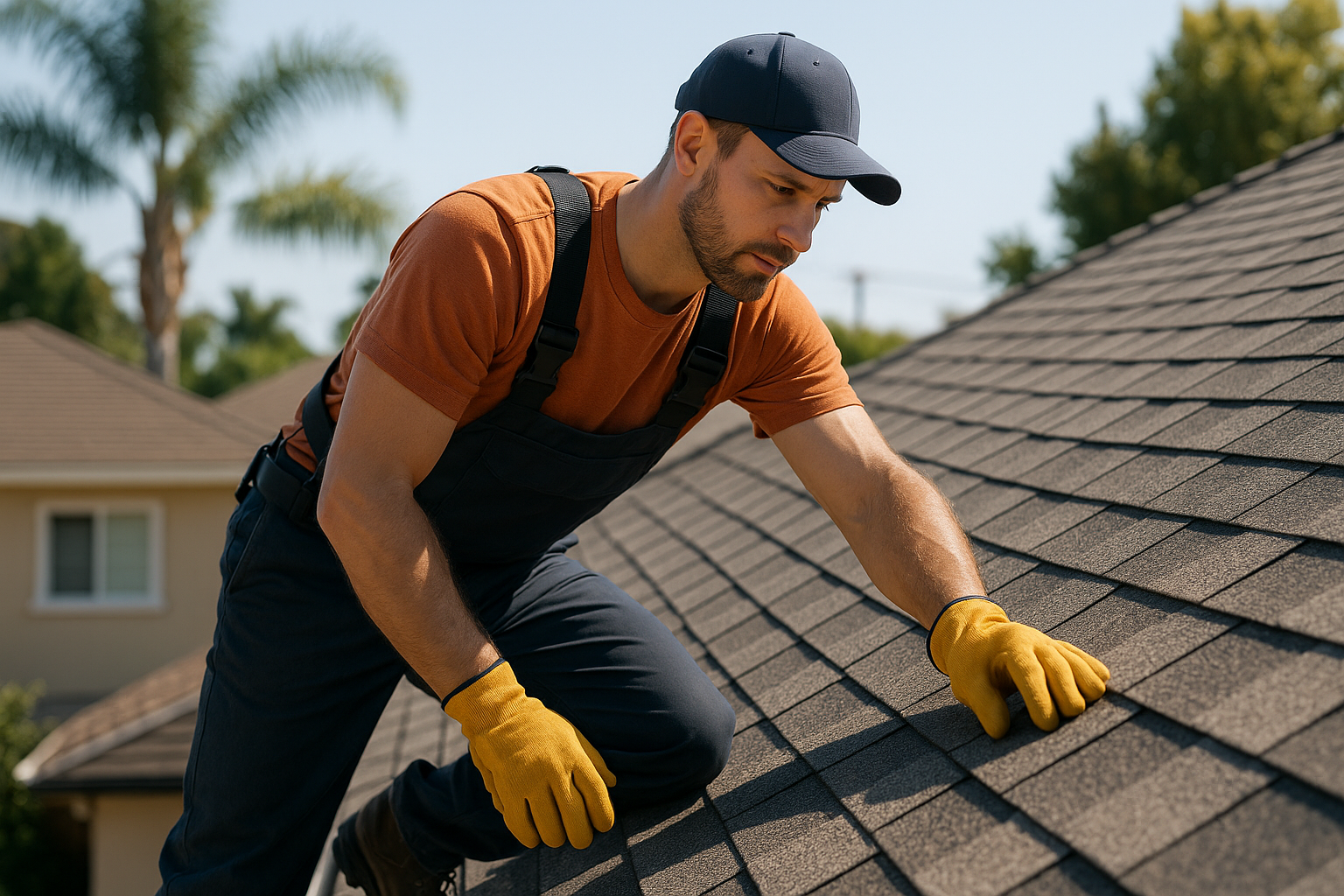
Conducting regular inspections is one of the most effective **best practices for roof upkeep**. Inspections help identify minor issues before they escalate into significant problems. Ideally, you should inspect your roof twice a year, in spring and fall. This schedule allows you to address any damage caused by seasonal weather changes.
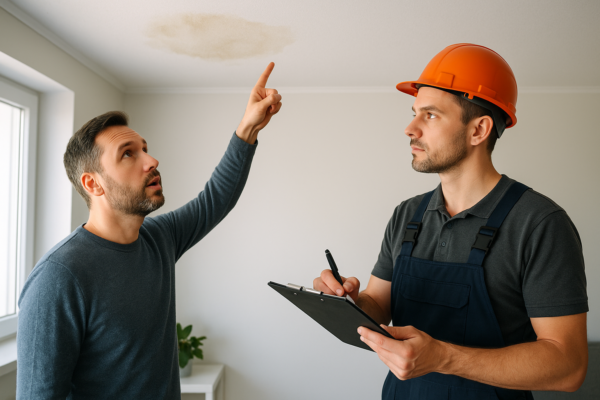
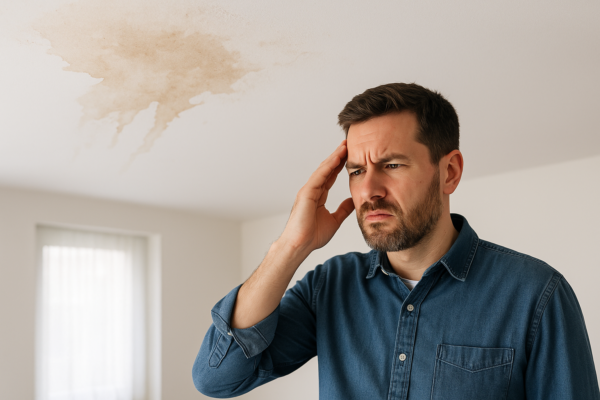
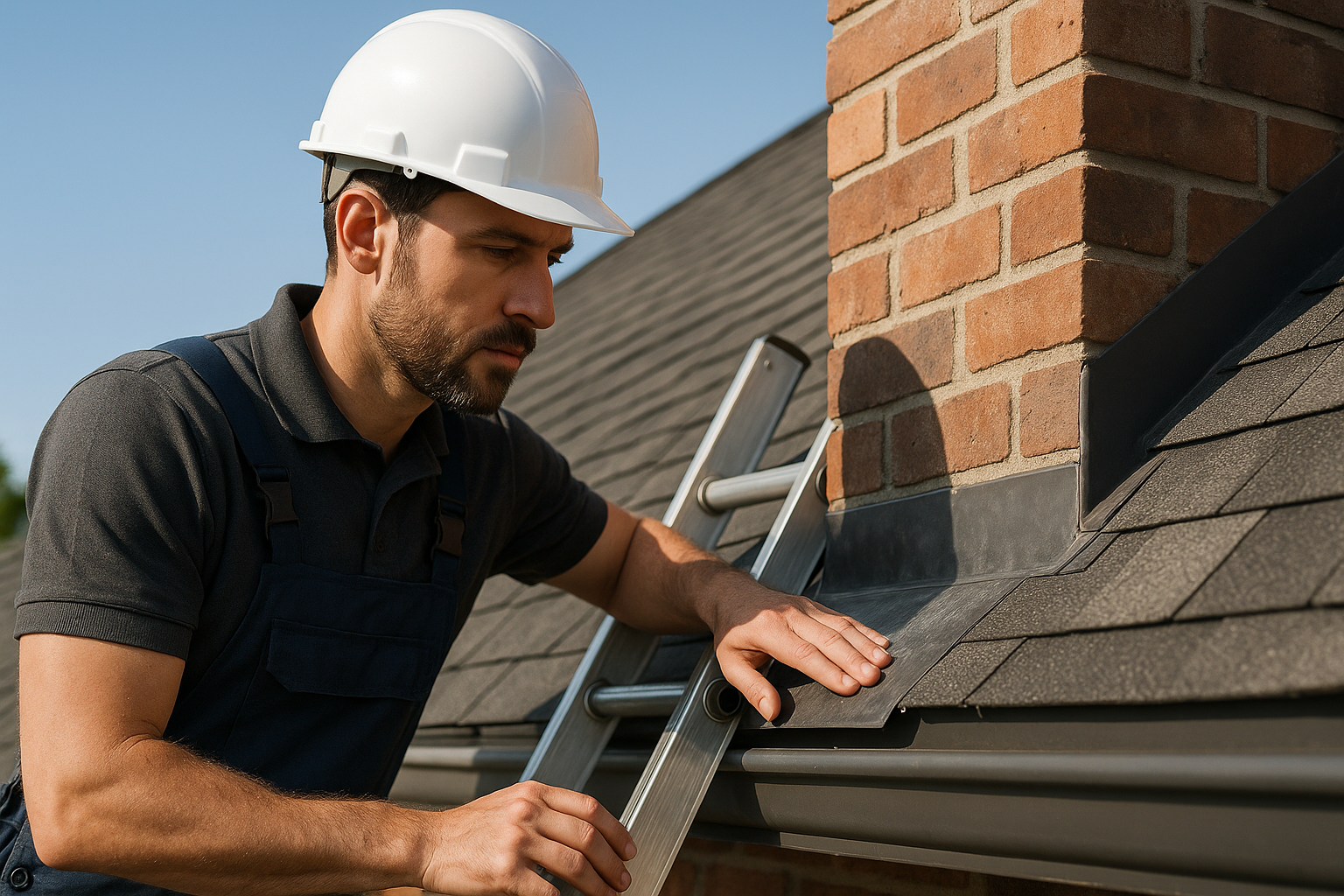
During an inspection, look for signs of wear, such as missing or damaged shingles, rusted flashings, and clogged gutters. It’s also essential to check for water stains on ceilings and walls, which may indicate a leak. For comprehensive inspections, consider consulting professionals who offer commercial roofing services for expert insights.
Identifying Common Roof Problems
Understanding common roof issues can help you maintain your roof effectively. Problems such as broken shingles, leaks, and poor ventilation can lead to severe damage if not addressed promptly. For instance, leaks can cause water damage to your home’s interior, leading to costly repairs. You can learn more about how to handle such issues by exploring our guide on roof leak repair.
Another frequent problem is the accumulation of debris, which can clog gutters and lead to water pooling. This issue is particularly prevalent in the fall when leaves are abundant. Regular cleaning of gutters and downspouts is crucial to prevent water damage and maintain proper drainage.
Professional vs. DIY Inspections
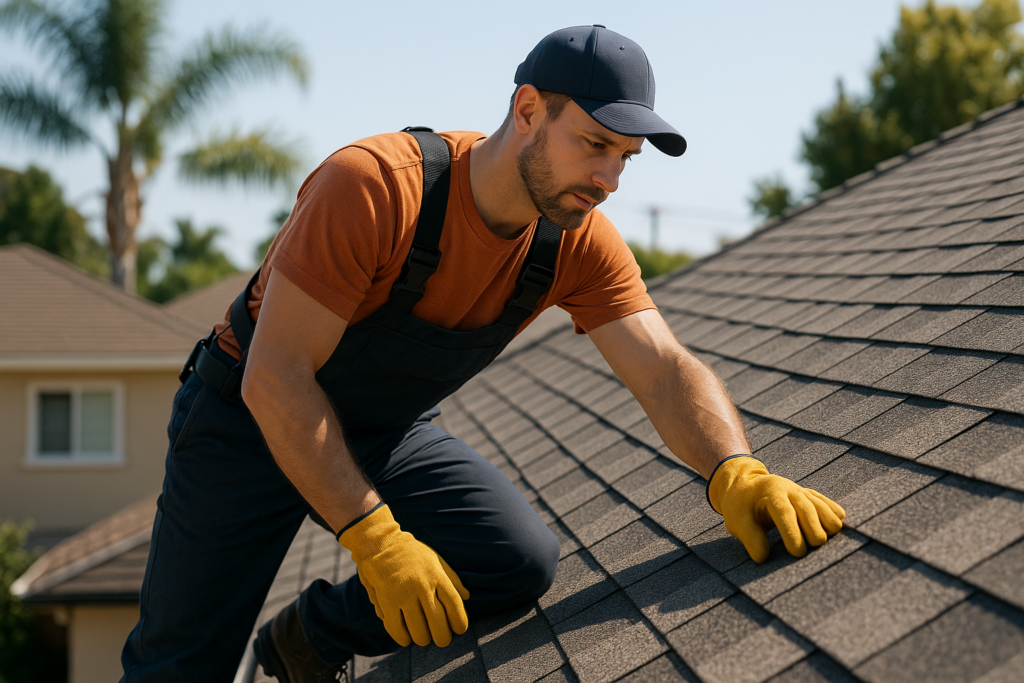
Deciding whether to conduct a DIY inspection or hire a professional depends on your comfort level and expertise. DIY inspections can save money and are suitable for minor checks. However, professionals have the tools and knowledge to spot subtle issues that might be missed during a casual inspection. Consider reading about top commercial roof maintenance services to understand the benefits of hiring experts.
Professionals can provide a detailed assessment and recommend necessary repairs or replacements. This proactive approach can prevent small issues from becoming significant problems that require extensive repairs.
Proactive Roof Cleaning and Maintenance
Effective Cleaning Techniques
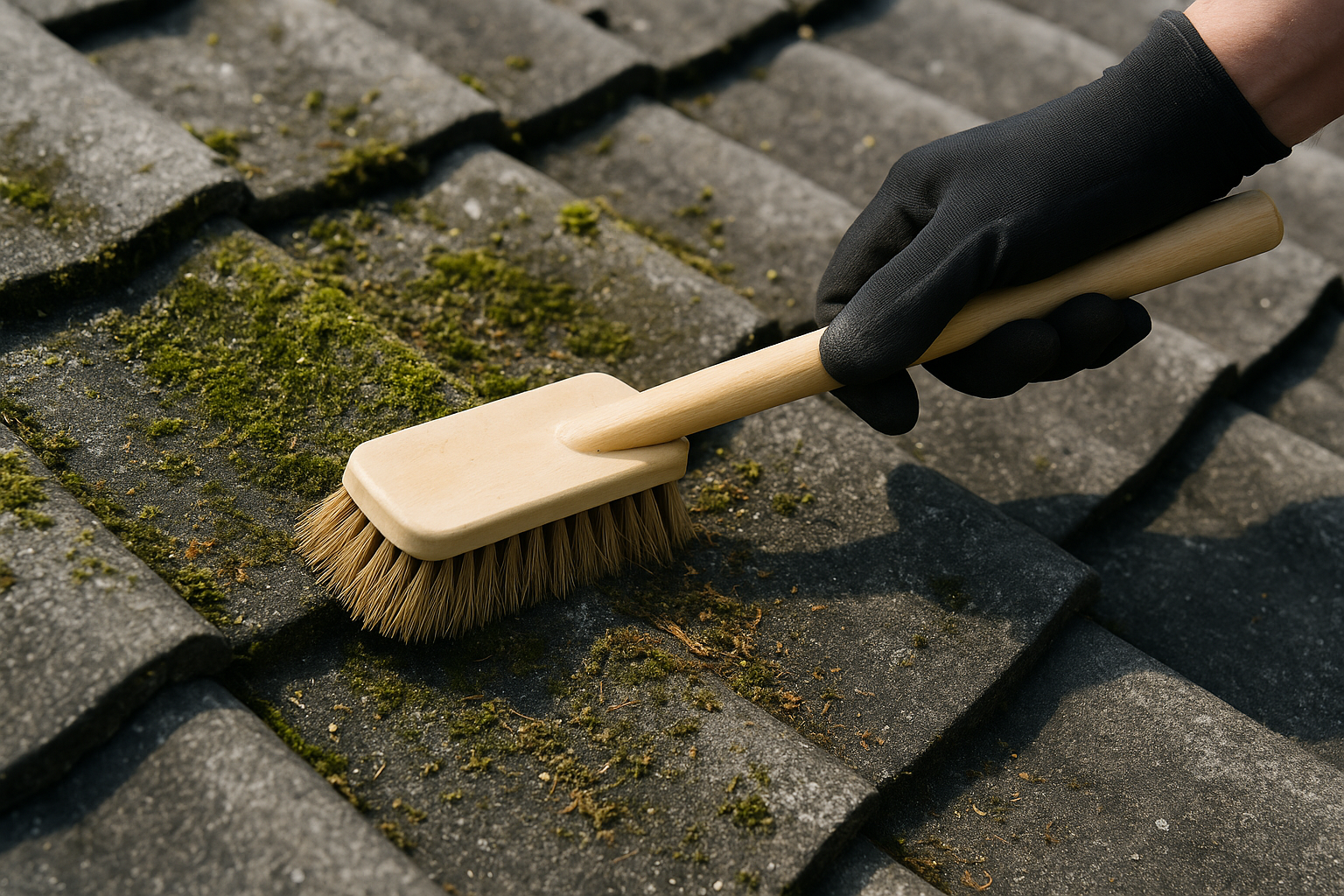
Cleaning your roof is an essential part of **best practices for roof upkeep**. Regular cleaning removes debris, prevents algae growth, and maintains the aesthetic appeal of your home. Use a soft-bristle brush or a low-pressure washer to clean the roof surface gently. Avoid high-pressure washing, as it can damage shingles and lead to premature wear.
For homes in humid areas, such as Southern California, it’s common to see algae growth on roofs. A mixture of water and bleach can effectively remove algae, but ensure you rinse thoroughly to prevent bleach from damaging shingles. For more detailed cleaning tips, refer to our seasonal roof maintenance guide.
Gutter Maintenance Importance
Maintaining your gutters is crucial for effective roof drainage. Clogged gutters can lead to water pooling and overflow, which may damage your roof and home’s foundation. Regularly clear leaves, twigs, and other debris to ensure water flows freely. Consider installing gutter guards to reduce debris accumulation and minimize cleaning efforts.
Gutter maintenance is especially important before the rainy season begins in California. Well-maintained gutters protect your home from water damage and help maintain the structural integrity of your roof. Discover more about essential preventive measures in our seasonal maintenance checklist.
Addressing Roof Moss and Algae
Moss and algae can significantly impact your roof’s lifespan. These organisms retain moisture, leading to shingle deterioration and potential leaks. Applying zinc or copper strips along the roof ridge can prevent moss and algae growth by releasing ions that inhibit their development.
In addition to using preventative measures, regular roof cleaning is necessary to remove existing growth. Maintain a consistent cleaning schedule to prevent large-scale infestations that could compromise your roof’s integrity.
Choosing the Right Roofing Materials
Comparing Roofing Options
Choosing the right materials is a cornerstone of **best practices for roof upkeep**. Different materials offer varying levels of durability, energy efficiency, and maintenance needs. For example, metal roofing provides excellent durability and is low maintenance, making it ideal for commercial properties. Learn more about these benefits in our article on metal roofing for businesses.
Here’s a comparison of common roofing materials:
| Material | Durability (Years) | Maintenance Level |
|---|---|---|
| Asphalt Shingles | 15-30 | Moderate |
| Metal Roofing | 40-70 | Low |
| Tile Roofing | 50-100 | Low |
| Flat Roof Membranes | 20-25 | High |
Environmental Considerations in Material Selection
When selecting roofing materials, consider environmental factors such as local climate and energy efficiency. In the sunny climate of Southern California, materials that reflect heat can help reduce cooling costs. Cool roofs, for example, are designed to reflect more sunlight and absorb less heat than standard roofing materials.
Additionally, choosing sustainable materials can reduce your home’s carbon footprint. Options like recycled metal roofing or energy-efficient shingles not only benefit the environment but also offer long-term savings on energy bills.
Cost vs. Longevity
When selecting roofing materials, it’s important to balance cost and longevity. While some materials may have a higher upfront cost, their durability and low maintenance may make them more cost-effective over time. For instance, while metal roofing may be more expensive initially, its longevity and energy efficiency can offset the initial investment. Explore different flat roofing options to find the best fit for your needs.
Consider your budget and long-term goals when choosing roofing materials. Investing in high-quality materials can reduce the frequency and cost of repairs, providing peace of mind and financial savings in the long run.
Frequently Asked Questions
How often should I inspect my roof?
It’s advisable to inspect your roof at least twice a year, ideally in spring and fall, and after any major storms. This schedule helps you catch and address potential issues caused by seasonal changes and severe weather.
What are the signs of roof damage?
Common signs of roof damage include missing or damaged shingles, water stains on ceilings or walls, rusted flashings, and clogged gutters. Regular inspections can help identify these issues early, preventing costly repairs.
Which roofing material lasts the longest?
Tile roofing is known for its longevity, lasting between 50 to 100 years. Metal roofing is another durable option, with a lifespan of 40 to 70 years. Both materials offer excellent durability and low maintenance requirements.
Are DIY roof repairs advisable?
While minor repairs, like sealing small leaks, can be done DIY, it’s recommended to hire professionals for significant repairs. Professionals have the expertise and tools to ensure repairs are done safely and effectively, preventing further damage.
Conclusion
Implementing the **best practices for roof upkeep** is essential for maintaining a durable and long-lasting roof. Regular inspections, effective cleaning, and choosing the right materials can significantly extend your roof’s lifespan and prevent costly repairs. By staying proactive and informed, you can ensure your roof withstands the test of time and environmental challenges, providing security and comfort for your home.