Discover the Best Roof Repair Solutions for Commercial Buildings
When it comes to maintaining the structural integrity and functionality of your commercial property, choosing the best roof repair for commercial buildings is crucial. Whether you’re dealing with minor leaks or significant structural damage, understanding your options can save both time and money. This guide will explore the top repair strategies, helping you make informed decisions that ensure the long-term health of your business’s roof.
Key Takeaways
- The most effective roof repair solutions depend on the type and extent of damage.
- Hiring a professional can provide peace of mind and ensure repairs are done correctly the first time.
- Different roofing materials require distinct repair techniques, impacting cost and longevity.
- Regular maintenance prevents costly repairs and extends your roof’s lifespan.
- Comparing repair options and costs helps in selecting the best service for your needs.
Understanding Roof Repair Options for Commercial Buildings
Common Types of Roof Damage
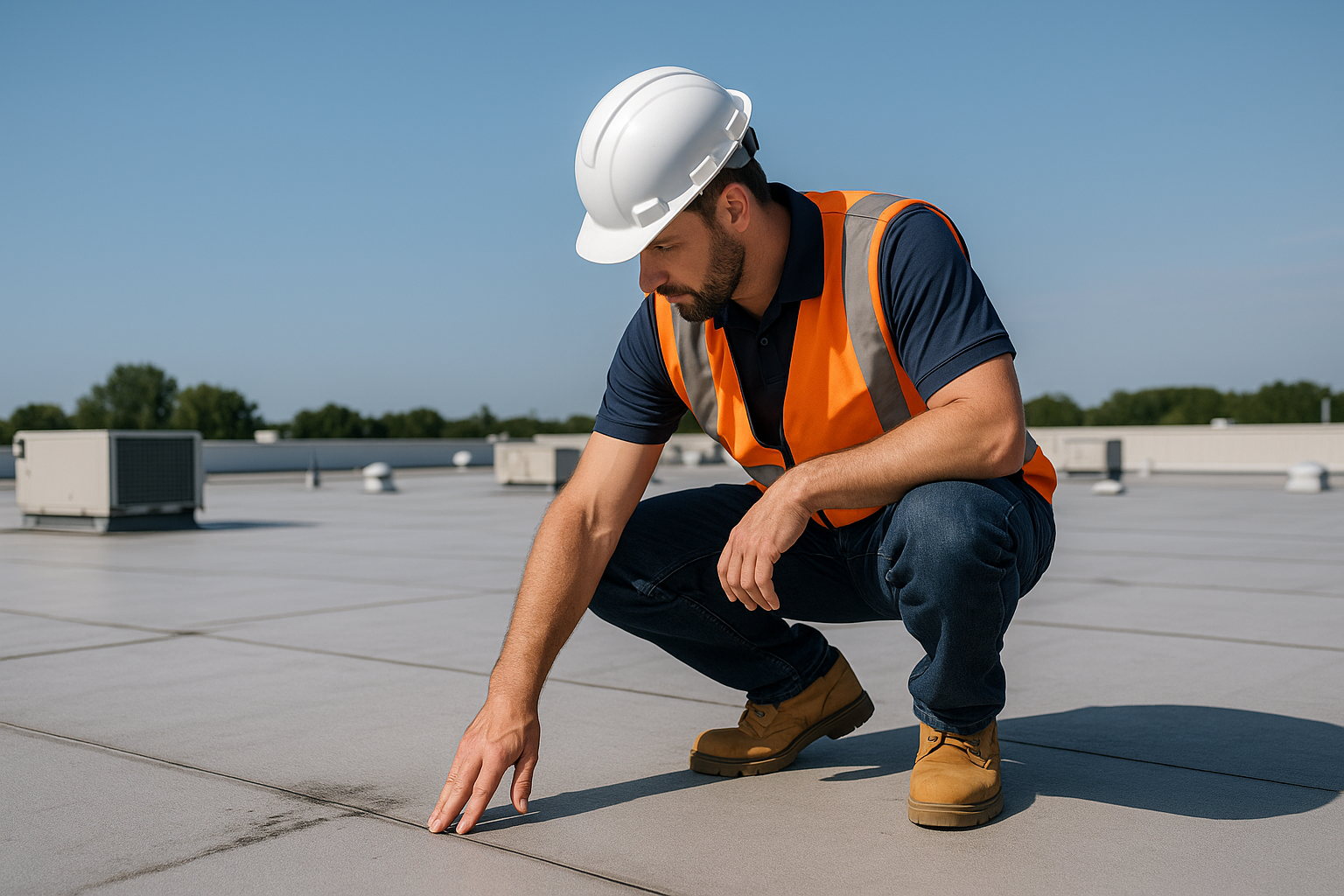
Commercial roofs are exposed to various elements that can cause damage over time. Common issues include leaks, ponding water, punctures, and membrane shrinkage. Each of these problems requires specific repair approaches. For instance, roof leak repairs often involve sealing or replacing damaged sections of the roof, while addressing ponding might require improving drainage systems.
In Southern California, the intense sun can exacerbate these issues, making regular inspections essential. Identifying problems early can prevent minor issues from escalating into major, costly repairs. It’s also wise to consider the specific costs associated with roof repair specialists to budget accordingly.
Repair Techniques for Different Roofing Materials
The type of roofing material significantly influences the choice of repair techniques. For example, TPO and EPDM roofs might require different adhesives or patch materials. Metal roofs, on the other hand, may need resealing or fastening of loose panels. Understanding these differences can help you select the best roof repair for commercial buildings.
For a comprehensive understanding of various commercial roofing types, consult guides that detail the pros and cons of each material. This knowledge is invaluable when deciding how to address specific roofing issues.
DIY vs. Professional Repairs
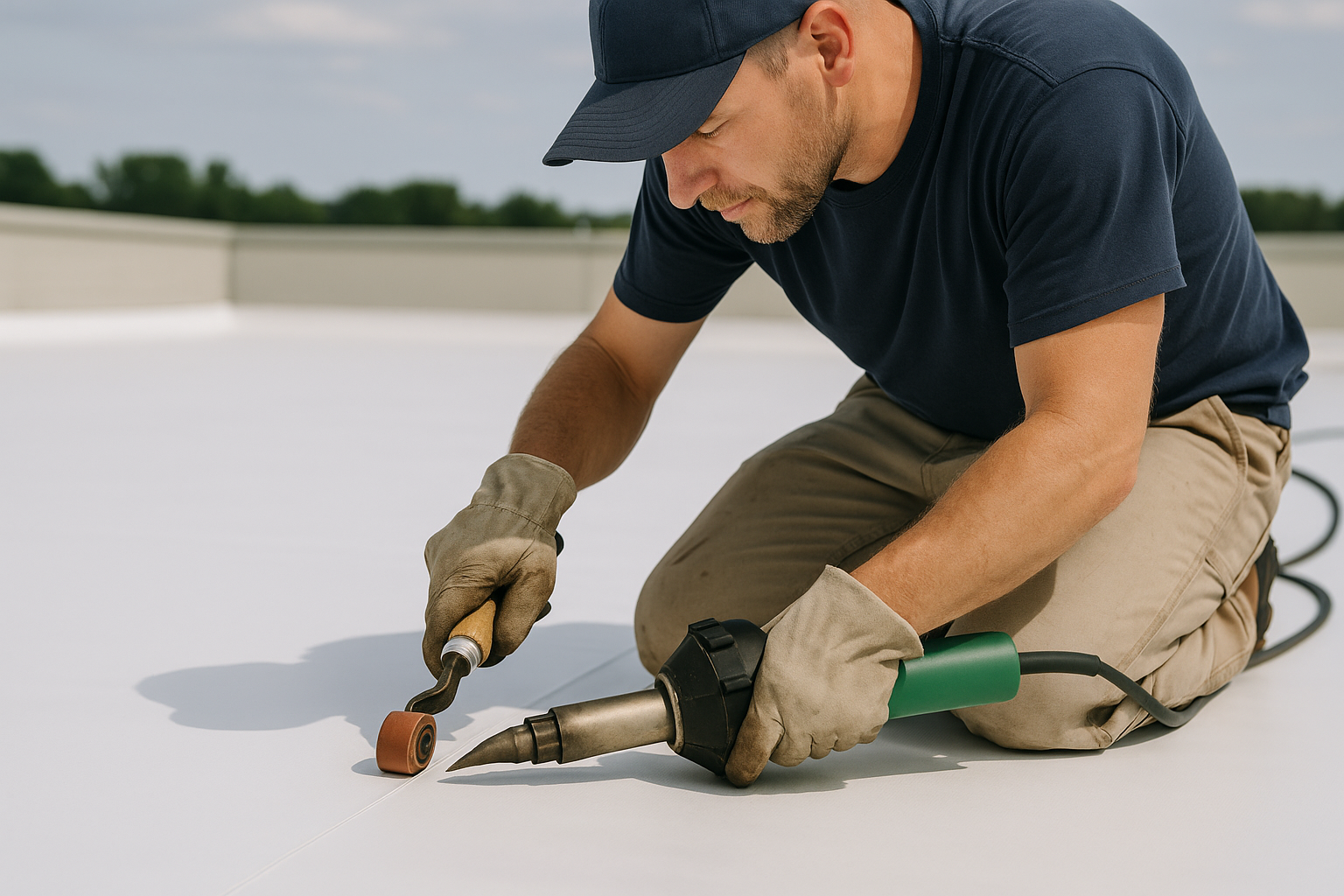
While some business owners may consider DIY repairs to save money, the complexity and risk involved often make professional services the safer choice. Professionals not only have the expertise but also the necessary tools and safety equipment to perform repairs efficiently and safely. In addition, many repairs require permits or should adhere to local building codes, which experts are well-versed in.
For those weighing options, exploring DIY versus professional roof repair insights can illuminate the potential pitfalls and benefits of each approach. Ultimately, hiring a professional ensures that repairs are completed to a high standard, potentially saving on costly future fixes.
Choosing the Right Repair Service
Factors to Consider When Selecting a Service
When choosing a repair service, several factors come into play. These include the company’s experience with the specific type of roof on your building, their reputation in the industry, and their ability to provide timely service. Additionally, it’s essential to compare quotes and understand what’s included in the service.
Consulting a detailed guide to commercial roof repair services can provide insights into what to expect from a reputable service provider, ensuring you select a company that meets your needs and budget.
Cost Comparison of Roof Repair Options
Understanding the cost implications of different repair options is vital for making informed decisions. The following table compares some common repair options for commercial roofs, highlighting cost, durability, and typical application scenarios:
| Repair Option | Estimated Cost | Durability |
|---|---|---|
| Patch Repair | $300 – $500 | 5-7 years |
| Sealant Application | $450 – $750 | 3-5 years |
| Full Membrane Replacement | $5,000 – $10,000 | 20+ years |
| Metal Panel Resealing | $1,000 – $2,000 | 10-15 years |
| Drainage System Update | $2,000 – $4,000 | Varies |
These estimates provide a broad overview, but actual costs can vary based on the complexity of the repair and local labor rates. For a deeper understanding of the financial aspect, check out more about affordable commercial roof repair solutions.
The Importance of Regular Maintenance
Regular maintenance is the cornerstone of extending the life of your commercial roof. Routine inspections can identify potential issues before they require major repairs. This proactive approach not only saves money but also ensures your business operations are not disrupted by unexpected roofing problems.
Practical tips for maintaining your commercial roof include:
- Conducting semi-annual inspections
- Cleaning gutters and drainage systems regularly
- Promptly addressing minor issues before they escalate
- Keeping detailed records of all maintenance activities
By following these guidelines, you can reduce the risk of severe damage and maintain the best roof repair for commercial buildings over time.
Evaluating Long-term Repair Strategies
Energy Efficiency and Sustainability Considerations
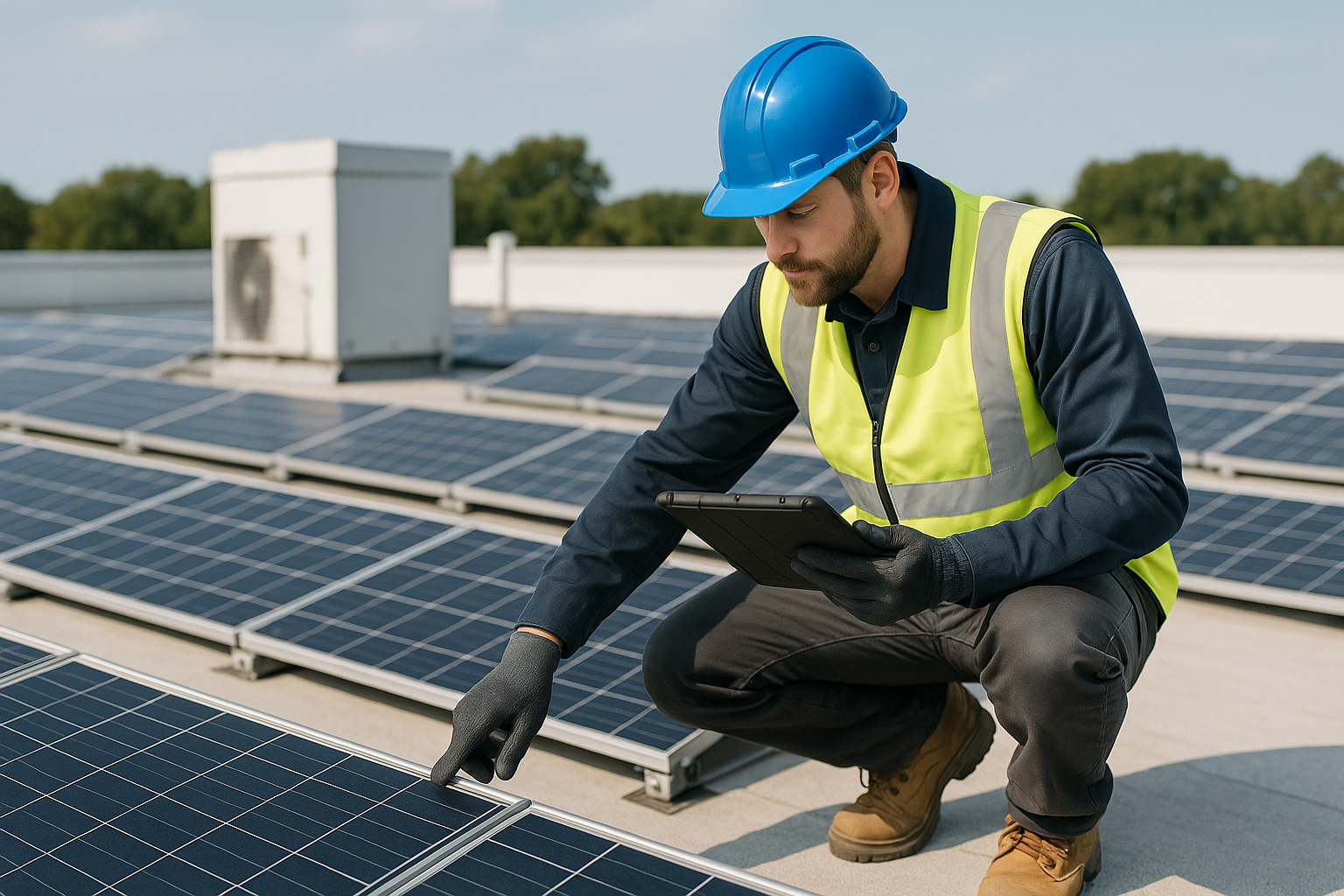
Modern repair strategies often incorporate elements of energy efficiency and sustainability. For instance, reflective coatings can reduce cooling costs by deflecting sunlight, while sustainable materials minimize environmental impact. These approaches not only contribute to the overall health of your building but also align with broader environmental goals.
Exploring the benefits of metal roofing offers insights into how sustainable materials can enhance durability and reduce maintenance needs.
Advanced Technologies in Roof Repair
As technology advances, so do the techniques available for repairing and maintaining commercial roofs. Infrared scanning can detect moisture and leaks beneath the surface, allowing for targeted repairs that prevent widespread damage. Drones are also becoming an invaluable tool for large-scale inspections, offering a comprehensive view of roof conditions without the need for extensive physical inspections.
Adopting these technologies can streamline maintenance processes and ensure that your roof remains in optimal condition, reducing the need for extensive repairs in the future.
Partnering with a Trusted Roofing Contractor
Ultimately, the success of your roof repair endeavors hinges on choosing the right partner. A trusted contractor will offer not only the technical expertise needed for repairs but also provide valuable advice on maintaining your roof. Choosing a contractor familiar with flat roof repair services can be especially beneficial for businesses with specific roofing types.
Ensure that your chosen provider has a track record of reliability and customer satisfaction, which can often be verified through reviews and testimonials from other local businesses.
Frequently Asked Questions
What is the most common cause of roof leaks in commercial buildings?
The most common causes of roof leaks in commercial buildings include deteriorated roofing membranes, poor drainage systems, and damage from extreme weather conditions. Regular inspections can help identify these issues early.
How often should a commercial roof be inspected?
It’s recommended to inspect a commercial roof at least twice a year, typically in the spring and fall. Additionally, inspections should be conducted after major weather events to assess any potential damage.
Can roof repairs be done during business hours?
Yes, many roof repairs can be scheduled to minimize disruption to business operations. Coordination with your contractor to plan repairs during off-peak hours or in sections can help maintain normal business activities.
Conclusion
Choosing the best roof repair for commercial buildings involves understanding the specific needs of your roof, selecting the right repair techniques, and partnering with a reliable contractor. By being proactive with maintenance and staying informed about the latest in repair technologies and strategies, you can ensure that your commercial roof remains a strong, dependable part of your business infrastructure. For more detailed information on roof types and repair strategies, visit our commercial roofing page.