Exploring the Best Flat Roofing Systems for Industrial Sites
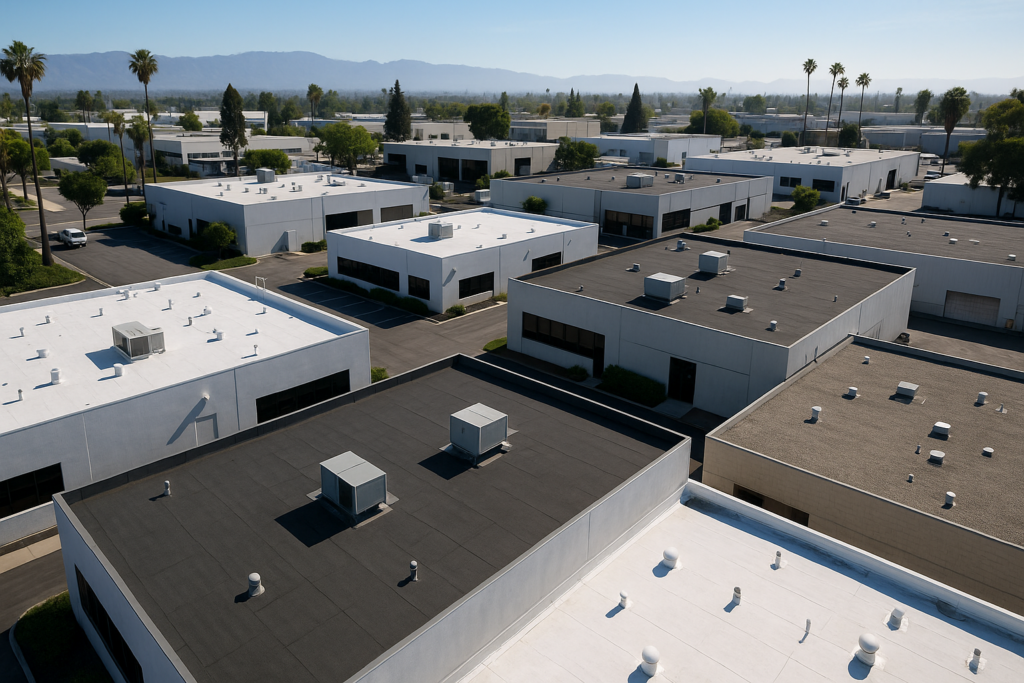
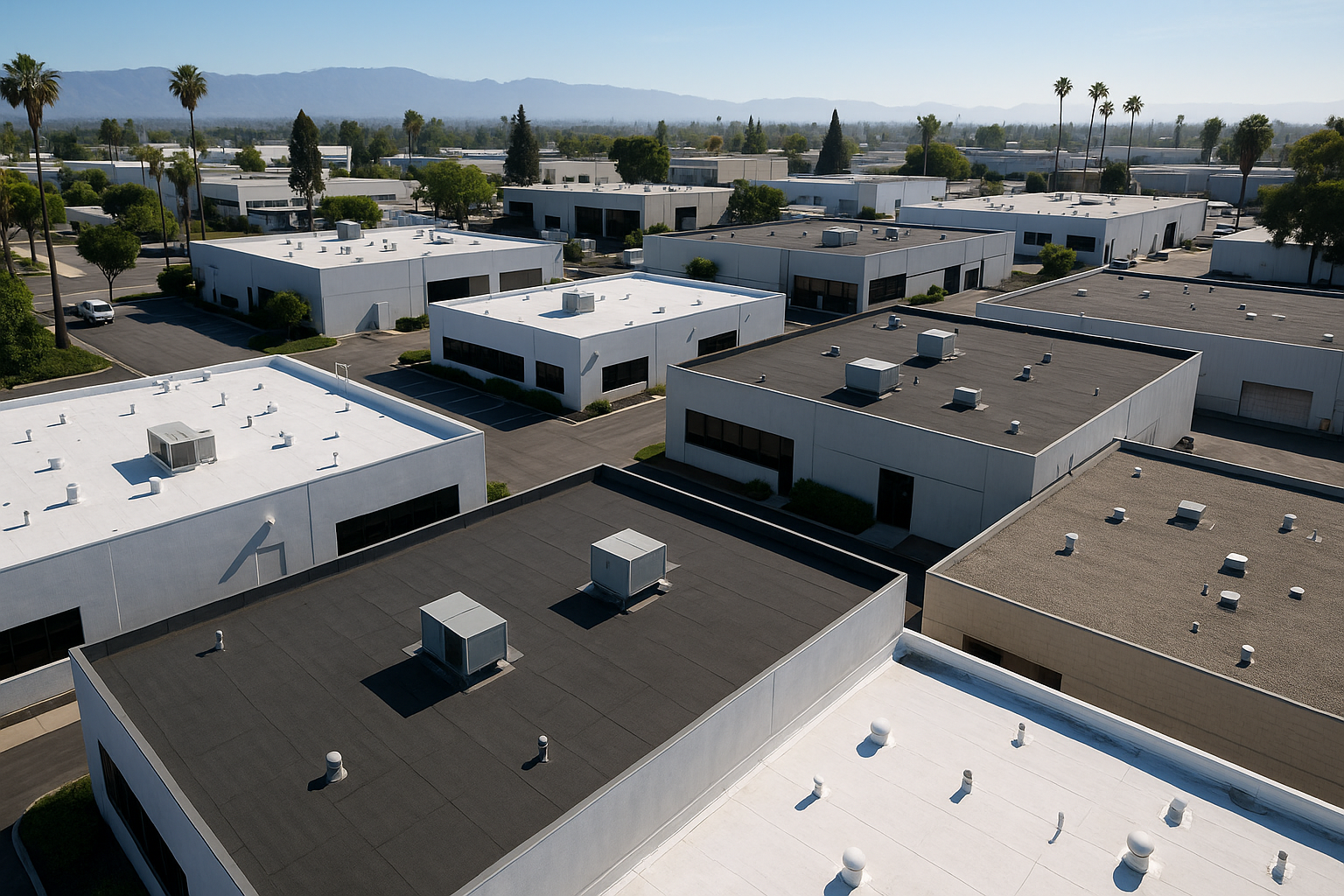
Choosing the right Flat Roofing Systems for Industrial Use is crucial for ensuring durability, energy efficiency, and cost-effectiveness in your commercial buildings. In the San Gabriel Valley, California, where the climate can be both sunny and rainy, selecting the appropriate roofing system can significantly impact your business operations. Understanding the available options and their respective benefits can help you make an informed decision. This guide will explore various commercial roofing solutions, providing a comprehensive overview to assist you in selecting the best system for your industrial site.
Key Takeaways
- Understanding the types of Flat Roofing Systems for Industrial Use can guide you in choosing the right one for your needs.
- Each system offers unique benefits, such as energy efficiency, durability, and cost-effectiveness.
- Consulting with professionals can help ensure the longevity and performance of your industrial roof.
- Comparing options based on climate suitability, maintenance requirements, and installation costs is essential.
- Incorporating eco-friendly materials can enhance sustainability and reduce energy costs.
- Explore detailed guides and resources to further understand installation and maintenance processes.
Types of Flat Roofing Systems for Industrial Use
TPO Roofing Systems
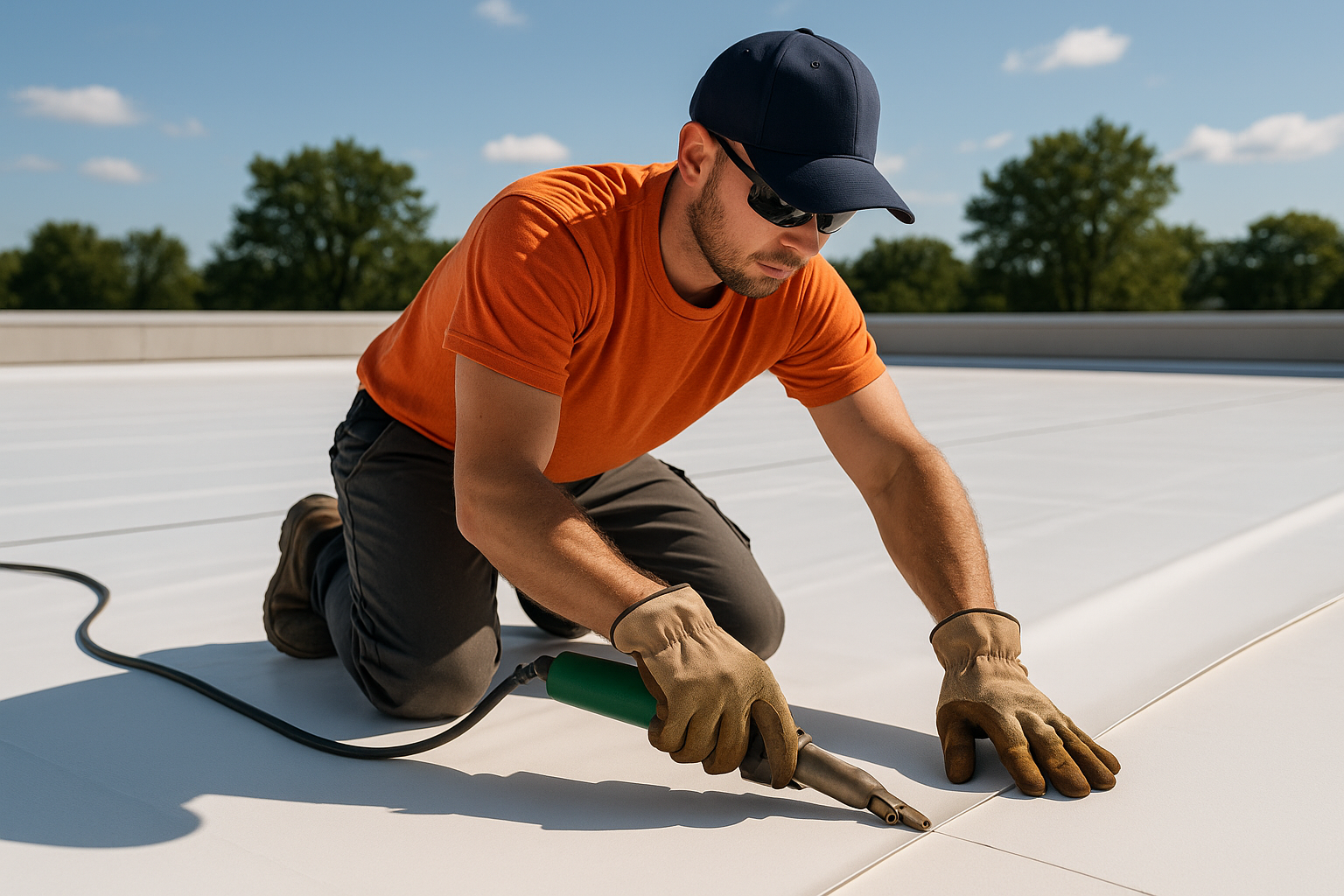
Thermoplastic Olefin (TPO) is a popular choice among Flat Roofing Systems for Industrial Use due to its energy efficiency and affordability. TPO roofs are composed of a single-ply membrane, which provides excellent resistance to ultraviolet light, chemical exposure, and ozone. This makes TPO an ideal option for industrial sites in sunny climates like Southern California, where UV radiation can be intense.
One of the primary benefits of TPO roofing is its energy efficiency. TPO membranes are highly reflective, helping to reduce cooling costs during hot summer months by reflecting heat away from the building. Additionally, TPO is known for its ease of installation, which can lower labor costs and installation time.
However, TPO roofs may require more frequent inspections to ensure their seams remain intact and provide optimal performance. To learn more about the energy-efficient benefits of TPO and other roofing materials, consult with a roofing professional.
EPDM Roofing Systems
Ethylene Propylene Diene Monomer (EPDM) is another excellent option for Flat Roofing Systems for Industrial Use. Known for its durability and flexibility, EPDM is made from synthetic rubber, offering excellent resistance to weathering, ozone, and UV radiation. This material is particularly effective in regions with fluctuating temperatures, as it can expand and contract without compromising its structural integrity.
EPDM roofs are often chosen for their long lifespan, typically lasting 20 to 30 years with proper maintenance. Additionally, EPDM is relatively easy to repair, as damaged sections can be patched or replaced without significant disruption. This makes EPDM an attractive option for businesses looking to minimize maintenance costs and downtime.
Despite its many advantages, EPDM roofing may not be as energy-efficient as other systems, like TPO or PVC, due to its lower reflectivity. For more insights into cost-effective roofing materials, explore our detailed guides on affordable options for commercial buildings.
Built-Up Roofing (BUR) Systems
Built-Up Roofing (BUR) systems have been used for over a century and are known for their robustness and multi-layered protection. BUR is composed of alternating layers of bitumen and reinforcing fabrics, creating a dense, waterproof barrier. This makes BUR an excellent choice for industrial sites where heavy machinery or foot traffic may be present on the roof.
One of the key advantages of BUR systems is their exceptional durability. They are highly resistant to physical damage and can withstand harsh weather conditions, making them suitable for various climates, including the unpredictable weather patterns of Southern California. Additionally, BUR systems offer excellent insulation properties, which can contribute to reduced energy usage.
However, BUR installation can be labor-intensive and costly due to the multiple layers involved. It’s important to consider the initial investment versus long-term benefits when selecting a roof for your industrial site. For guidance on choosing the best flat roof solutions for your business, consult our resources on top choices available in the market.
Factors to Consider When Choosing Flat Roofing Systems
Climate and Environmental Conditions
The climate in which your industrial site operates plays a significant role in determining the most suitable Flat Roofing Systems for Industrial Use. In Southern California, where temperatures can soar in summer and occasional rainfalls occur, selecting a roofing system that offers heat reflection and waterproofing is critical. TPO and PVC membranes are known for their high reflectivity and resistance to UV radiation, making them ideal for sunny environments.
Additionally, EPDM and BUR systems provide excellent durability and weather resistance, essential for areas prone to temperature fluctuations. Consider the specific environmental conditions your industrial site faces and choose a roofing system that offers optimal protection against these elements.
For a deeper understanding of installing commercial flat roofs in various climates, explore our comprehensive installation guides.
Cost and Budget Considerations
Budget is another crucial factor when selecting Flat Roofing Systems for Industrial Use. The cost of installation, materials, and maintenance can vary significantly between different roofing systems. TPO and EPDM are generally more affordable options, with installation costs ranging between $3.50 and $7.50 per square foot. In contrast, BUR systems, with their multi-layered construction, can cost between $5.00 and $10.00 per square foot.
It’s essential to weigh the initial investment against the potential long-term savings. For example, while TPO may have a higher upfront cost, its energy-saving benefits could lead to reduced utility bills over time. Exploring different commercial roofing types and their associated costs can help you make an informed financial decision.
Consider creating a budget that factors in installation costs, maintenance expenses, and potential energy savings. Consulting with a professional can provide valuable insights into the cost-effectiveness of each option, ensuring you choose a system that aligns with your financial goals.
Maintenance and Longevity
The longevity and maintenance requirements of Flat Roofing Systems for Industrial Use are critical considerations for business owners looking to minimize disruptions and prolong the lifespan of their roofs. TPO and EPDM systems are relatively low-maintenance, requiring periodic inspections and cleaning to ensure optimal performance. Their typical lifespan ranges from 20 to 30 years, depending on proper care and maintenance.
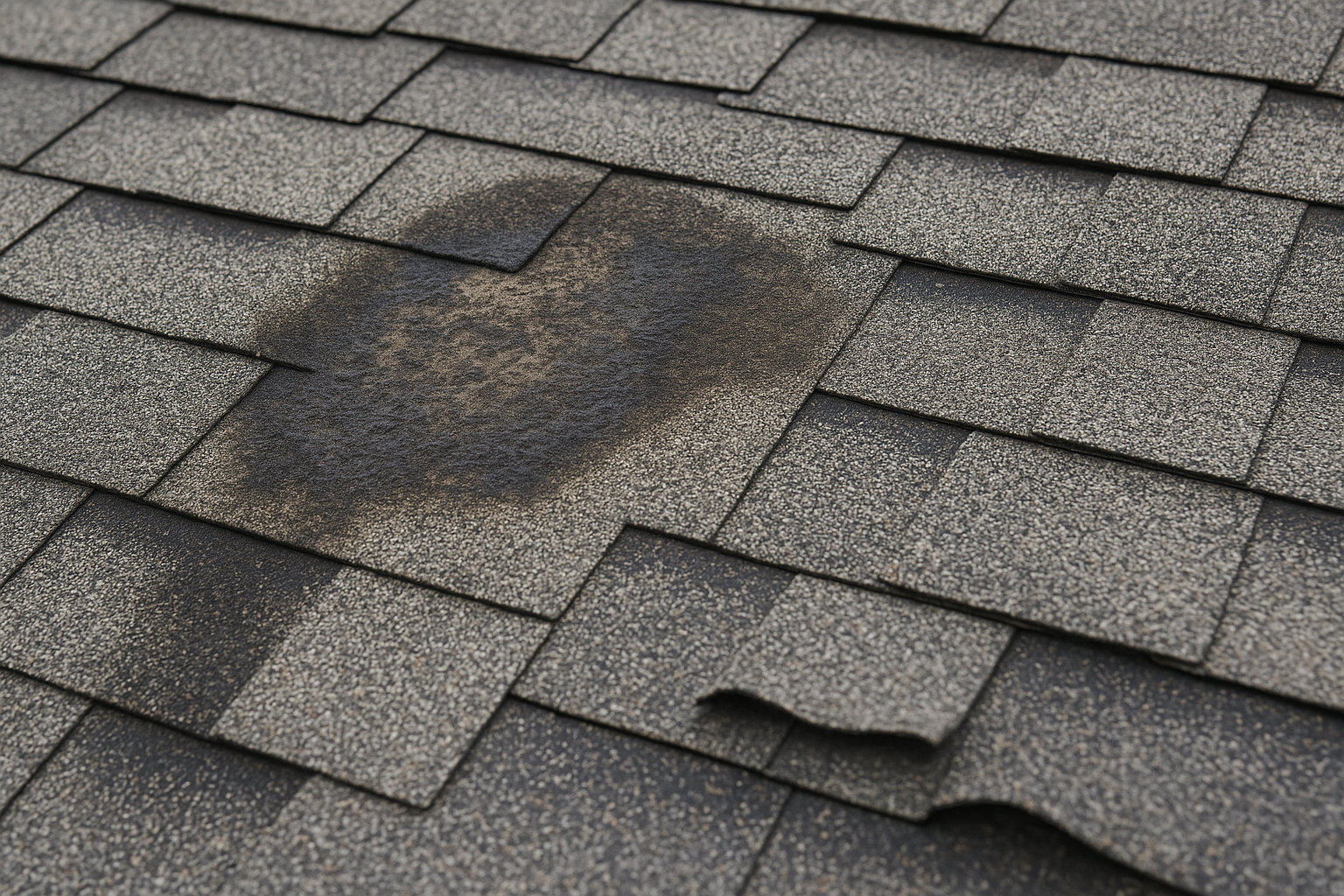
BUR systems, while more durable, may require more intensive maintenance due to their complex construction. Regular inspections and prompt repairs are necessary to prevent leaks and water damage. Understanding the maintenance needs of each roofing system can help you plan for future upkeep and budget accordingly.
To explore metal roofing benefits and other durable options, visit our resources on durable commercial roofing materials. These insights can guide you in selecting a roofing system that offers longevity and ease of maintenance.
Comparison of Flat Roofing Systems
| Roofing System | Pros | Cons |
|---|---|---|
| TPO | Energy-efficient, Affordable, Easy Installation | Frequent Inspections Needed, Seams May Need Reinforcement |
| EPDM | Durable, Flexible, Easy to Repair | Less Energy-efficient, Dark Colors May Absorb Heat |
| BUR | Highly Durable, Excellent Insulation, Weather-resistant | Higher Cost, Labor-intensive Installation |
Frequently Asked Questions
What is the most durable flat roofing system for industrial use?
Among the various Flat Roofing Systems for Industrial Use, Built-Up Roofing (BUR) is widely considered the most durable option. Its multi-layered construction provides exceptional resistance to physical damage and weather elements, making it ideal for industrial sites with high traffic or harsh environmental conditions.
How do I maintain my flat roofing system?
Regular maintenance is key to extending the lifespan of your flat roofing system. This includes periodic inspections for damage, routine cleaning to remove debris, and prompt repairs to address any issues. Engaging with professional repair services can ensure thorough maintenance and timely interventions.
Are there eco-friendly flat roofing options for industrial sites?
Yes, several eco-friendly options are available for industrial flat roofs. TPO and PVC membranes are known for their high reflectivity, reducing energy consumption by minimizing heat absorption. Additionally, incorporating green roofing elements, such as solar panels or rooftop gardens, can enhance sustainability. Explore eco-friendly roofing solutions for more information.
What factors should I consider when selecting a flat roofing system?
When choosing a flat roofing system, consider factors such as climate, budget, durability, energy efficiency, and maintenance requirements. Consulting with local roofing contractors can provide valuable insights into selecting the right system for your specific needs and location.
Conclusion
Selecting the right Flat Roofing Systems for Industrial Use is a critical decision that can impact the efficiency, cost-effectiveness, and longevity of your commercial building. By understanding the unique benefits and considerations of each roofing option, you can make an informed choice that aligns with your business goals and environmental conditions. Remember to consult with professionals to ensure proper installation and maintenance, maximizing the performance and lifespan of your industrial roof. For further guidance, explore our resources on durable commercial roofing materials and installation processes.