Understanding Commercial Roofing Installation Costs
When planning a new commercial roofing project, understanding the **cost of commercial roofing installation** is crucial. Whether you are a business owner or a property manager, knowing what influences these costs can help you make informed decisions. This comprehensive guide explores the factors involved, helping you budget effectively for your roofing needs.
Key Takeaways
- The **cost of commercial roofing installation** varies significantly based on materials, labor, and location.
- Choosing the right roofing material is essential for balancing cost and longevity.
- Consider climate-specific needs when selecting a roofing system, especially in Southern California.
- Regular maintenance can extend the life of your commercial roof and prevent costly repairs.
- Get multiple quotes from reputable contractors to ensure competitive pricing.
Factors Influencing the Cost of Commercial Roofing Installation
Material Selection and Costs
The choice of materials is one of the most significant factors in determining the **cost of commercial roofing installation**. Options range from traditional asphalt shingles to sophisticated metal and TPO systems. Each material has its advantages and price points, often dictated by durability, energy efficiency, and maintenance requirements.
For instance, metal roofing is known for its longevity and durability, often lasting over 50 years. However, it is typically more expensive upfront, with costs averaging between $7 to $12 per square foot in Southern California. In contrast, TPO roofing, known for its energy efficiency and affordability, usually costs between $5 to $8 per square foot.
Labor and Installation Complexity
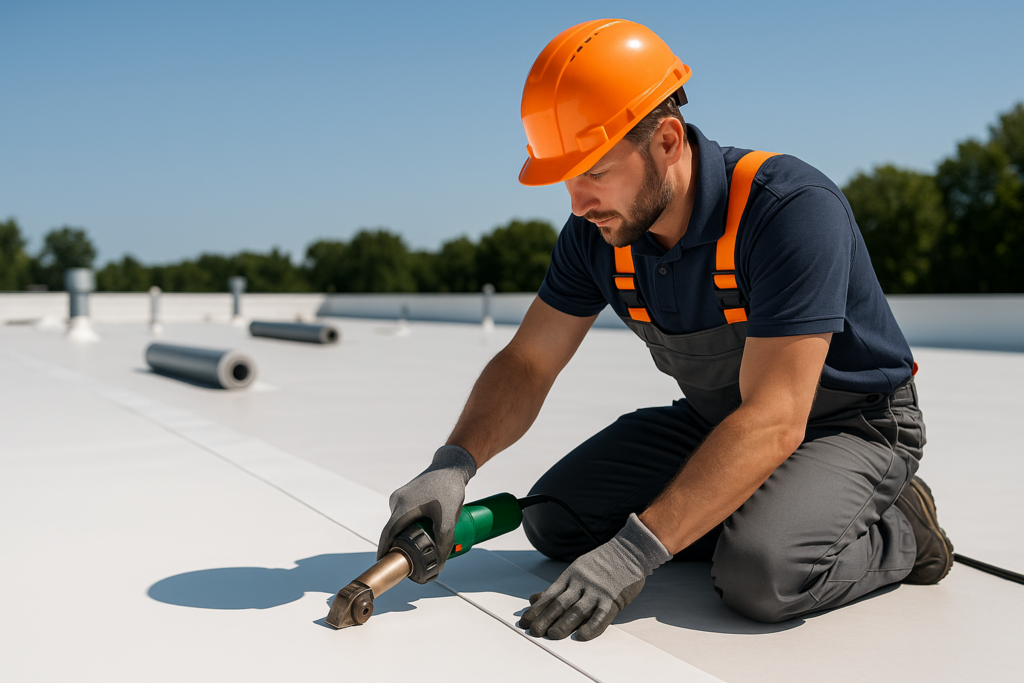
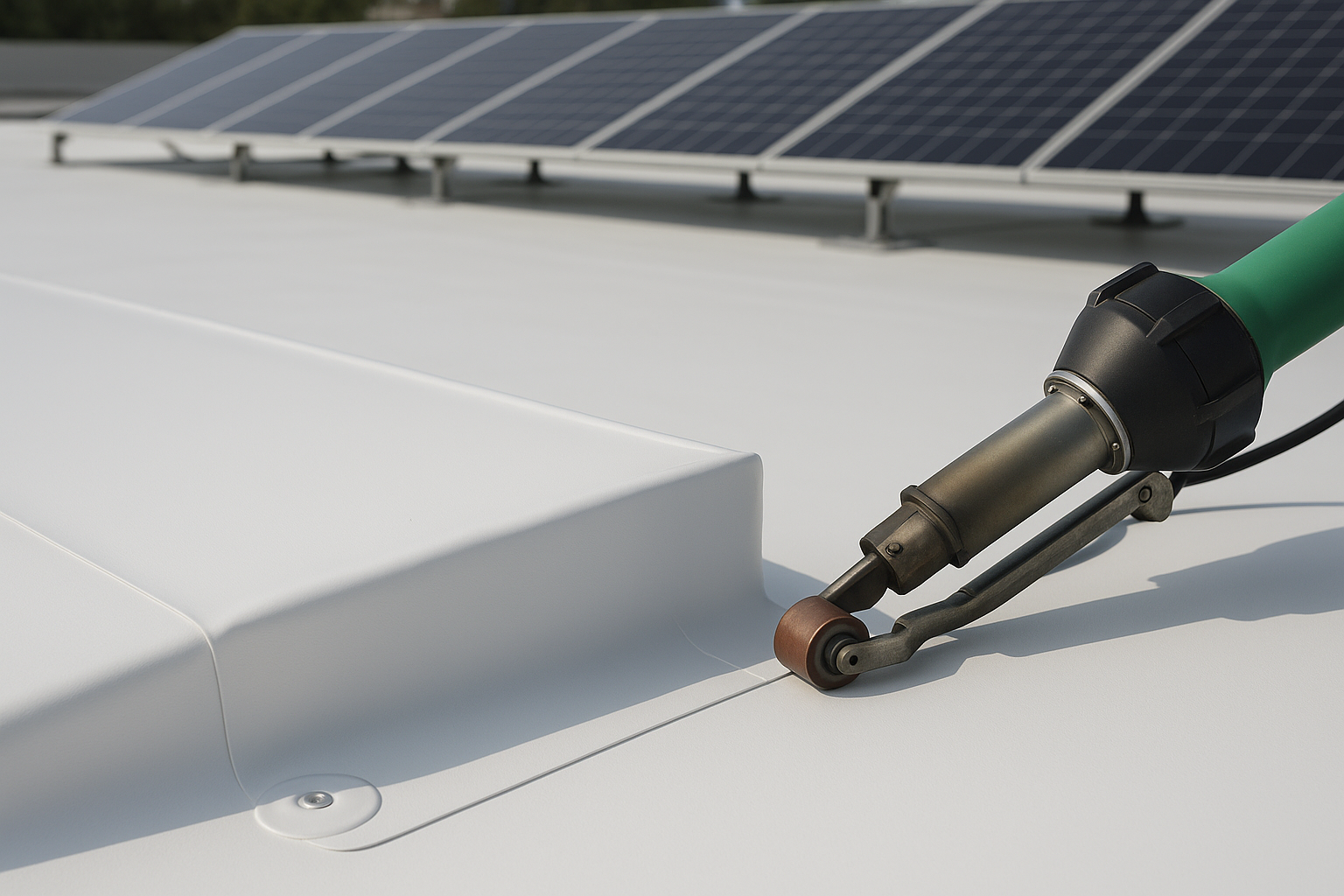
Labor costs can account for 40% to 60% of the total **cost of commercial roofing installation**. These costs depend largely on the complexity of the installation process. For example, installing a flat roof system, such as EPDM or TPO, typically requires specialized skills and equipment, impacting labor costs significantly. In addition, the size and height of the building can also influence the difficulty and thus the overall cost.
In California, seasoned roofing contractors generally charge between $50 to $150 per hour. Businesses should always hire experienced professionals to ensure high-quality workmanship and avoid potential issues with roof performance and longevity.
Geographical and Climate Considerations
Location plays a critical role in the **cost of commercial roofing installation**. In Southern California, where temperatures can soar in the summer, it’s crucial to choose a roofing material that provides excellent thermal performance. This ensures energy efficiency and reduces cooling costs over time.
Moreover, local building codes and regulations can also affect installation costs. In earthquake-prone areas like California, certain safety standards must be met, which may require additional structural support and materials. Understanding these factors is essential for businesses planning a new roofing project.
Comparing Different Commercial Roofing Systems
Cost Comparison of Popular Roofing Materials
To help you evaluate your options, here’s a comparison of some popular commercial roofing materials in terms of cost, lifespan, and maintenance requirements.
| Material | Average Cost (per sq. ft.) | Lifespan (years) |
|---|---|---|
| Asphalt Shingles | $3 – $6 | 15 – 30 |
| TPO | $5 – $8 | 20 – 30 |
| Metal Roofing | $7 – $12 | 40 – 70 |
| EPDM | $4 – $7 | 20 – 30 |
| Concrete Tiles | $10 – $20 | 50 – 100 |
Energy Efficiency and Environmental Impact
Energy-efficient roofing materials can significantly reduce operating costs for commercial buildings. For example, TPO and EPDM roofing systems are known for their reflective properties, which can reduce cooling costs by reflecting sunlight and heat away from the building.
In areas like Southern California, where energy costs are high, investing in a thermally efficient roofing system can offer substantial savings over time. Moreover, environmentally friendly options, such as recycled metal roofing, also offer sustainability benefits, aligning with corporate social responsibility goals.
Maintenance and Long-Term Cost Implications
Regular maintenance is crucial for prolonging the lifespan of any commercial roof, regardless of the material used. Maintenance involves routine inspections, cleaning, and timely repairs to address issues before they escalate.
For instance, metal roofs require minimal maintenance but should still be inspected annually for signs of corrosion. In contrast, flat roofing systems, such as TPO, might need more frequent checks to ensure seams and membranes remain intact. This can prevent costly damage and extend the roof’s lifespan, ultimately reducing the total **cost of commercial roofing installation** over time.
Steps to Budget for Your Commercial Roofing Project
Getting Accurate Estimates
To effectively budget for your commercial roofing project, obtaining multiple estimates from licensed contractors is essential. This allows you to compare pricing, services, and warranties offered by different providers. Ensure that each estimate is detailed and includes a breakdown of material and labor costs, as well as any additional fees.
Consider consulting with a professional who can help you understand the nuances of different roofing systems. For instance, the Commercial Roofing Types guide can offer insights into the strengths and weaknesses of various materials, aiding in informed decision-making.
Planning for Future Repairs and Maintenance
Budgeting for a commercial roofing project isn’t just about the initial installation cost. You should also plan for ongoing maintenance and potential repairs. Allocating funds for routine inspections and minor repairs can help avoid significant damage and expensive emergency services.
Keep in mind that certain materials may require more frequent maintenance than others. For example, flat roofs might need regular checks to ensure proper drainage and prevent pooling water, which can lead to leaks and other issues. Consider reading more about roof leak repair to understand potential costs and preventative measures.
Leveraging Warranties and Insurance
Warranties and insurance can play a vital role in managing the **cost of commercial roofing installation**. Most reputable roofing companies offer warranties that cover materials and labor for a specified period. Reviewing these warranties can provide peace of mind and protect your investment in case of premature failure or defects.
Additionally, check with your insurance provider to understand what aspects of your roofing project might be covered under your policy. This can include weather-related damage, which is particularly relevant in areas prone to extreme conditions, such as Southern California.
Frequently Asked Questions
What is the average cost of commercial roofing installation?
The **cost of commercial roofing installation** can vary greatly depending on the materials chosen, the size and complexity of the project, and the location. On average, installation costs range from $5 to $12 per square foot, with more premium materials like metal and concrete tiles being more expensive.
How often should a commercial roof be inspected?
It’s recommended to have a commercial roof inspected at least twice a year, typically in the spring and fall. Regular inspections can help identify potential issues early and prevent costly repairs. Additionally, after significant weather events, it’s prudent to conduct a thorough inspection to assess any damage.
What factors can increase the cost of a commercial roofing project?
Several factors can increase the **cost of commercial roofing installation**, including the need for structural repairs, complex roof designs, accessibility challenges, and the requirement for specialized materials or labor. Environmental considerations, such as compliance with local codes and regulations, can also impact the overall cost.
Conclusion
Understanding the nuances of the **cost of commercial roofing installation** is essential for business owners and property managers planning a new roofing project. By considering factors like material selection, labor, and geographical influences, you can make informed decisions that align with your budget and long-term building needs. Regular maintenance and smart budgeting strategies can further optimize your investment, ensuring your commercial roof remains a valuable asset for years to come. For more detailed guidance, explore our commercial roofing resources.