Understanding EPDM Roofing Benefits for Commercial Properties
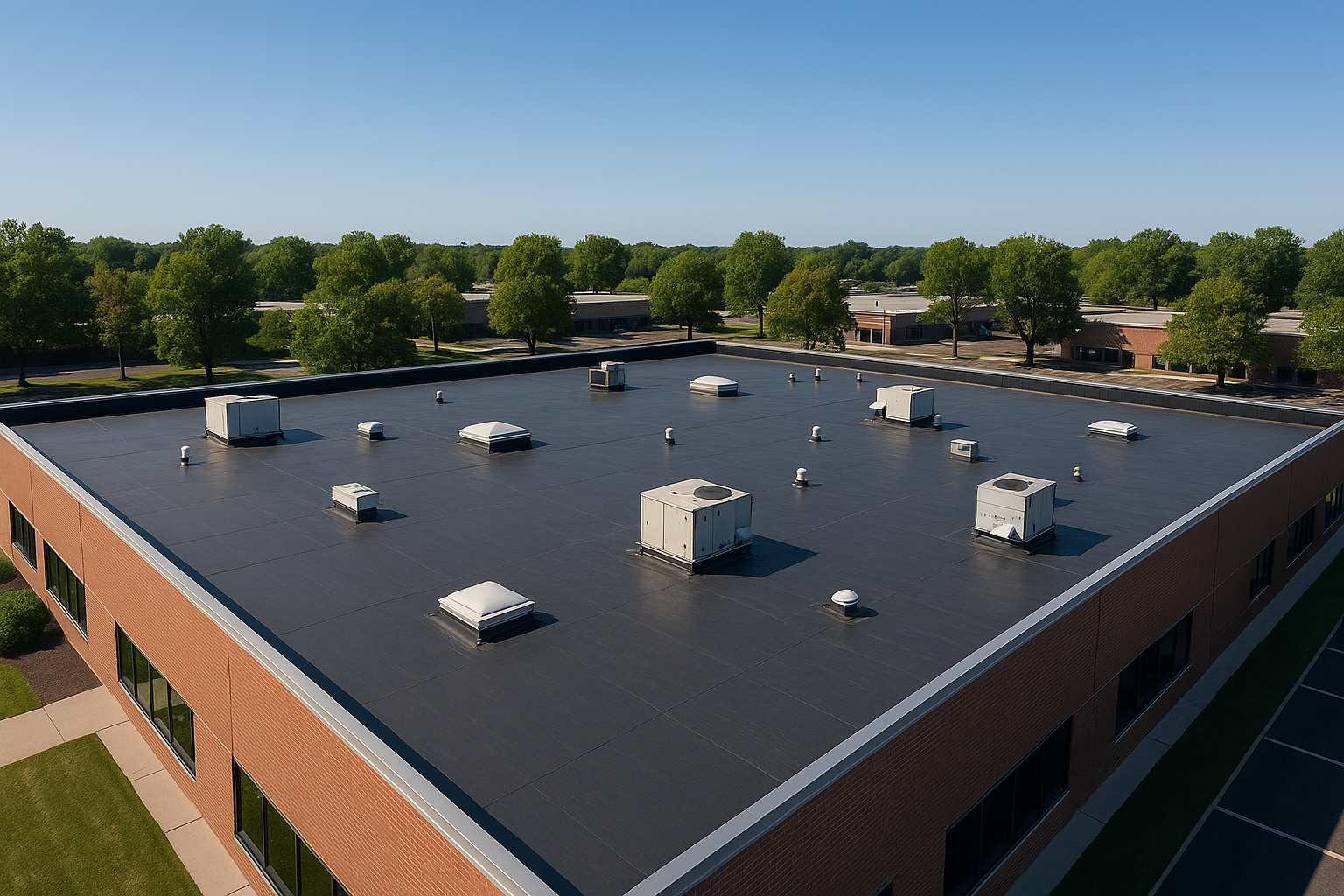
When it comes to choosing the right roofing system for your commercial property, **EPDM roofing** stands out as a popular and reliable option. Known for its durability and cost-effectiveness, **EPDM roofing for commercial properties** can offer significant advantages, especially in climates like Southern California. In this article, we will explore the benefits, installation process, and maintenance tips for EPDM roofs, ensuring you have all the information needed to make an informed decision.
Key Takeaways
- **EPDM roofing** is highly durable and can last over 30 years with proper maintenance.
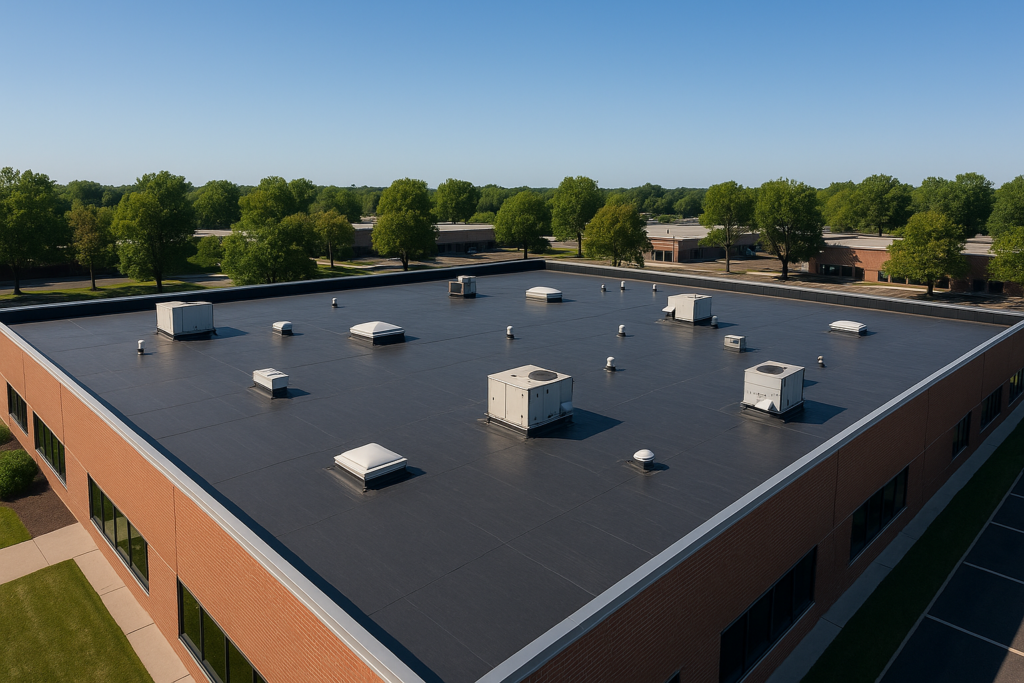
- This type of roofing is particularly suitable for flat or low-slope commercial buildings.
- Installation is relatively straightforward, leading to lower labor costs compared to other materials.
- EPDM is resistant to harsh weather conditions, making it ideal for Southern California’s climate.
- Regular maintenance can extend the lifespan and performance of your EPDM roof.
Advantages of EPDM Roofing for Commercial Properties
Durability and Longevity
EPDM roofing is renowned for its exceptional durability. Made from ethylene propylene diene monomer, this synthetic rubber material can withstand a wide range of weather conditions, making it ideal for commercial properties in Southern California. The material’s flexibility allows it to expand and contract with temperature changes without cracking, ensuring it remains intact over time.
With proper care, an **EPDM roof** can last over 30 years. Regular inspections and maintenance, such as those detailed in the seasonal roof maintenance checklist, can help detect and address minor issues before they become significant problems.
For businesses looking to minimize long-term repair costs, investing in a durable roofing material like EPDM is a wise choice. Compared to other roofing options, the longevity of EPDM means fewer replacements and repairs over its lifespan.
Cost-Effectiveness
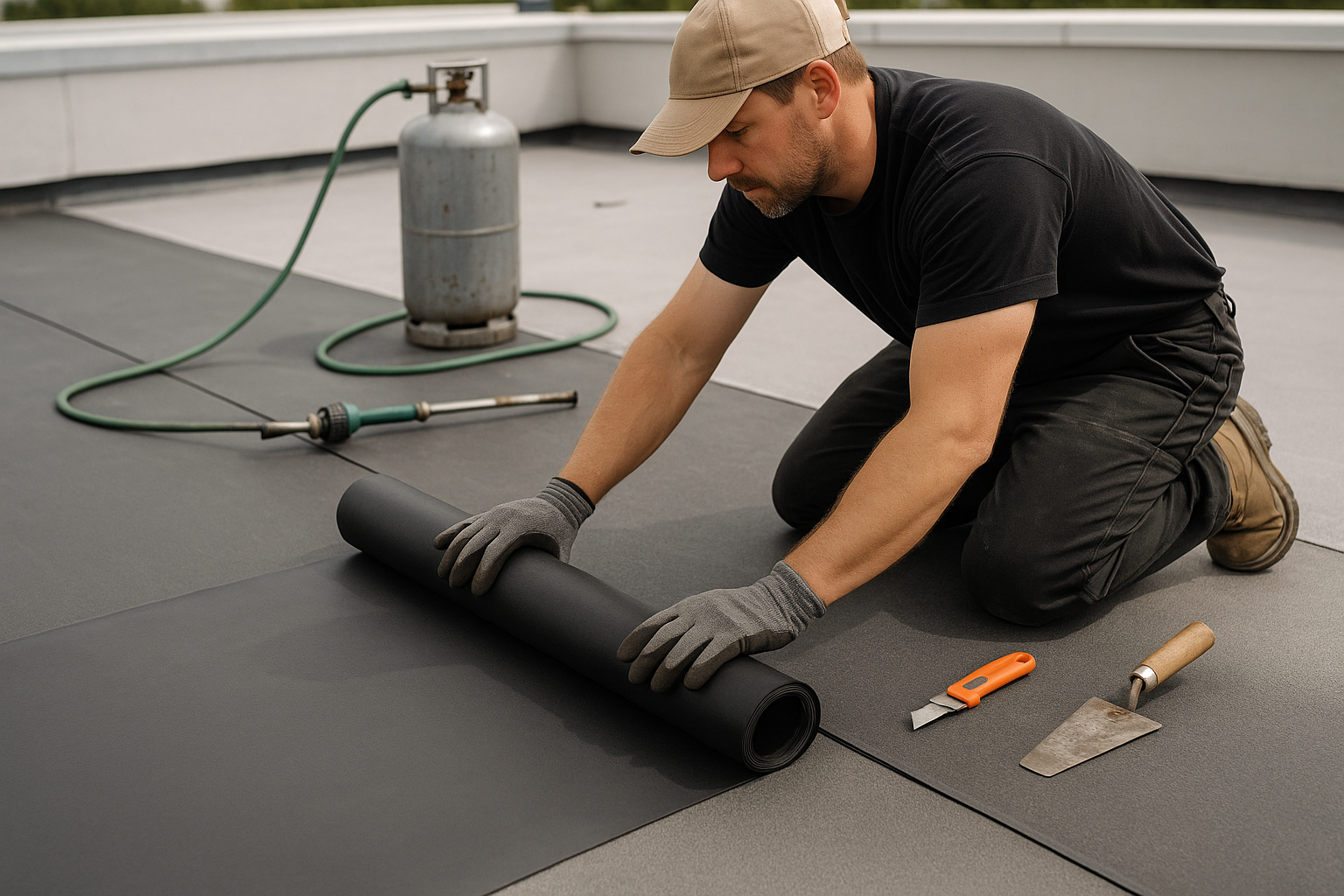
One of the most compelling reasons to choose **EPDM roofing for commercial properties** is its cost-effectiveness. The material itself is relatively inexpensive compared to other roofing options like TPO or metal. Additionally, the installation process is straightforward and requires less labor, which further reduces costs.
Typically, **EPDM roofing** costs range from $3 to $12 per square foot, depending on the thickness and installation complexity. This makes it one of the most affordable options for large-scale commercial buildings. For a detailed comparison of different roofing materials and their costs, check out the best materials for commercial roofs.
Moreover, the ease of repair and low maintenance needs contribute to the overall cost savings. By investing in routine maintenance and addressing issues promptly, you can ensure your EPDM roof remains cost-effective throughout its lifespan.
Environmental Benefits
EPDM roofing is not only economical but also environmentally friendly. The material is fully recyclable, which reduces waste and supports sustainable building practices. As businesses increasingly prioritize sustainability, choosing a roofing system that aligns with these values is essential.
Additionally, EPDM’s reflective properties can help reduce energy costs by keeping buildings cooler during hot California summers. This can lead to significant savings on air conditioning expenses, particularly in energy-intensive commercial spaces.
For businesses aiming to enhance their environmental impact, EPDM offers a practical solution that aligns with eco-friendly objectives. To explore more about the benefits of energy-efficient roofing materials, visit our guide on flat roofing options for commercial buildings.
EPDM Roofing Installation Process
Preparation and Planning
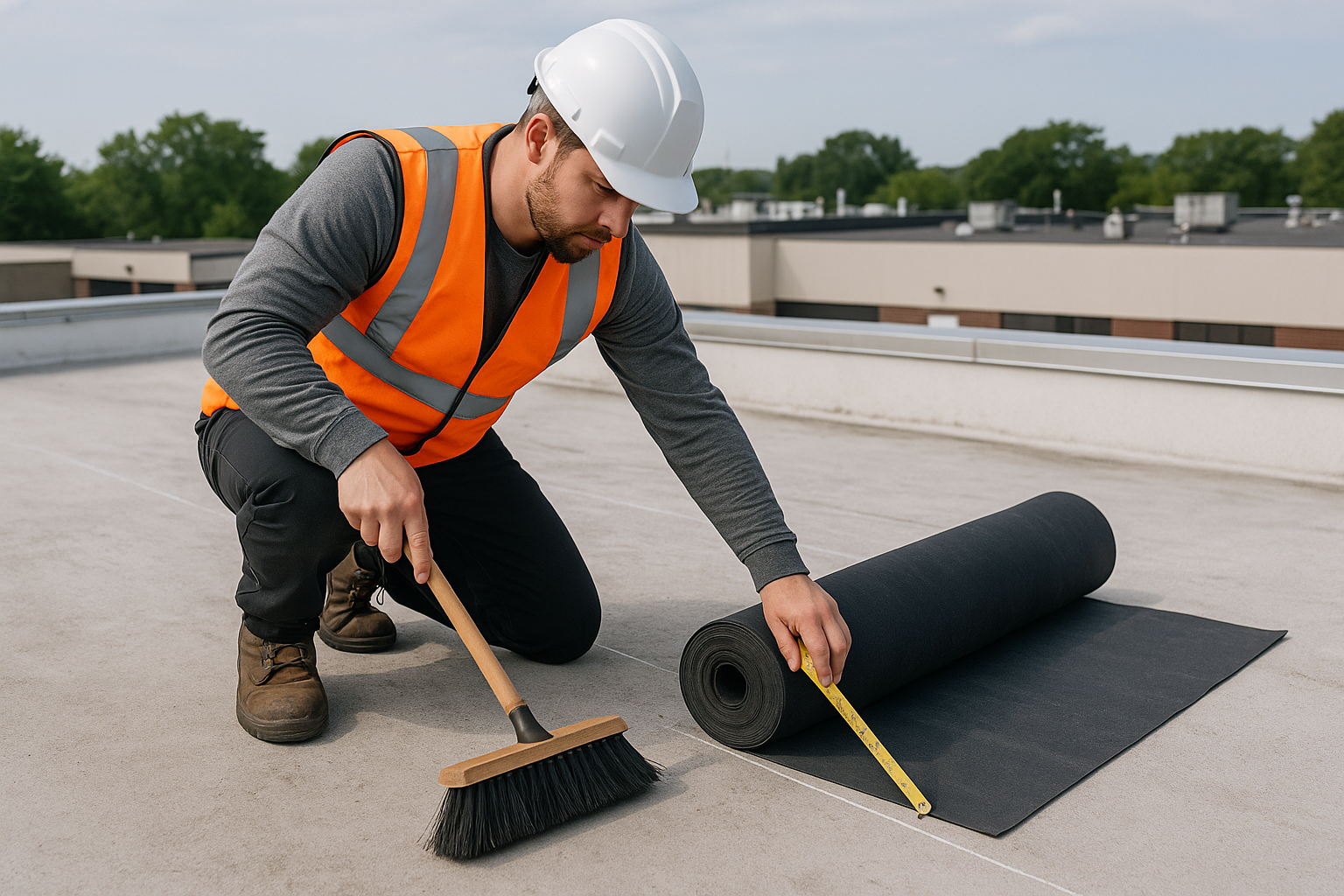
Proper preparation is crucial for a successful EPDM roofing installation. It begins with a thorough inspection of the existing roof structure to ensure it can support the new membrane. Any necessary repairs to the underlying structure should be completed before installation begins.
The next step involves measuring the roof to determine the amount of EPDM material required. This precise measurement helps minimize waste and ensures a seamless installation process. Professional roofing contractors can provide accurate assessments and advice, as detailed in our guide to commercial roofing types.
Installation Techniques
There are several methods for installing EPDM roofing, each with its own advantages. The most common techniques include fully adhered, mechanically attached, and ballasted systems. The choice of method depends on the specific needs of the building and the preferences of the property owner.
Fully adhered systems involve gluing the EPDM membrane directly to the substrate, providing excellent wind uplift resistance. Mechanically attached systems use fasteners to secure the membrane, which can be more cost-effective and quicker to install. Ballasted systems use heavy materials, like gravel, to hold the membrane in place, offering excellent fire resistance.
Each installation method has its pros and cons, and consulting with experienced roofing professionals can help determine the best approach for your property. For more information on installation methods, check out our roof leak repair guide.
Post-Installation Inspection and Maintenance
After installation, a thorough inspection is necessary to ensure the EPDM roof is properly installed and free from defects. This involves checking for any seams or edges that may not be sealed correctly, which could lead to leaks in the future.
Regular maintenance is essential to prolong the life of your EPDM roof. This includes cleaning the roof surface to remove debris, inspecting for signs of wear and tear, and ensuring that drainage systems are functioning correctly. For tips on maintaining your commercial roof, refer to our seasonal maintenance checklist.
By adhering to a consistent maintenance schedule, you can prevent small issues from escalating into costly repairs, ensuring your investment in an EPDM roof remains a wise one.
Comparing EPDM with Other Commercial Roofing Options
EPDM vs. TPO Roofing
When comparing **EPDM roofing for commercial properties** with TPO (Thermoplastic Olefin), both materials offer distinct advantages. EPDM is known for its flexibility and resistance to extreme weather conditions, while TPO is highly reflective and can reduce cooling costs.
Cost-wise, EPDM is generally more affordable, with TPO often costing between $5 and $8 per square foot. For businesses looking to balance performance and budget, EPDM remains a popular choice. Learn more about TPO and its advantages in our article on TPO roofing systems.
| Feature | EPDM | TPO |
|---|---|---|
| Flexibility | High | Moderate |
| Reflectivity | Low | High |
| Cost per Sq. Ft. | $3 – $12 | $5 – $8 |
| Installation Complexity | Low | Moderate |
| Environmental Impact | Recyclable | Energy Efficient |
EPDM vs. Metal Roofing
Metal roofing is another alternative for commercial properties. It is extremely durable and offers excellent fire resistance. However, it tends to be more expensive, with costs ranging from $7 to $12 per square foot.
While metal roofs offer a longer lifespan of up to 50 years, the initial investment is significantly higher compared to EPDM. For businesses focused on upfront costs, EPDM is the more economical choice.
For an in-depth comparison of these materials, check out our comprehensive review of metal roofing benefits.
EPDM vs. Asphalt Roofing
Asphalt roofing is a traditional choice for many commercial properties, known for its affordability and ease of installation. However, it lacks the longevity and environmental benefits of EPDM.
Asphalt roofs typically last 15 to 20 years, which is significantly shorter than the lifespan of an **EPDM roof**. While asphalt might be a suitable option for smaller budgets, the long-term value of EPDM makes it a more attractive option for larger commercial properties.
To explore more about different roofing materials and their benefits, visit our guide on the best roofing materials for leaks.
Frequently Asked Questions
How long does EPDM roofing last?
EPDM roofing can last over 30 years, making it one of the most durable options for commercial properties. Its longevity is enhanced by regular maintenance and timely repairs, which can help address minor issues before they escalate.
Is EPDM roofing environmentally friendly?
Yes, EPDM roofing is environmentally friendly. The material is fully recyclable, and its reflective properties can help reduce energy costs by keeping buildings cooler. This makes it a sustainable choice for businesses aiming to reduce their environmental footprint.
What are the common maintenance requirements for EPDM roofs?
Regular maintenance for EPDM roofs includes cleaning the surface to remove debris, inspecting for signs of wear and tear, and ensuring drainage systems are functioning properly. Routine inspections can help identify potential issues early, preventing costly repairs down the line.
How does EPDM compare to other roofing materials in terms of cost?
EPDM is generally more affordable than many other commercial roofing materials. It typically costs between $3 and $12 per square foot, which is lower than materials like TPO and metal. This cost-effectiveness, combined with its durability, makes it a popular choice for commercial properties.
Conclusion
Choosing the right roofing material for your commercial property is a critical decision. **EPDM roofing for commercial properties** offers a combination of durability, cost-effectiveness, and environmental benefits that make it an excellent choice for businesses in Southern California. By understanding the advantages and maintenance requirements of EPDM, you can ensure your investment provides long-term value. For more information on commercial roofing solutions, explore our commercial roofing pillar page to find the best options for your property.