
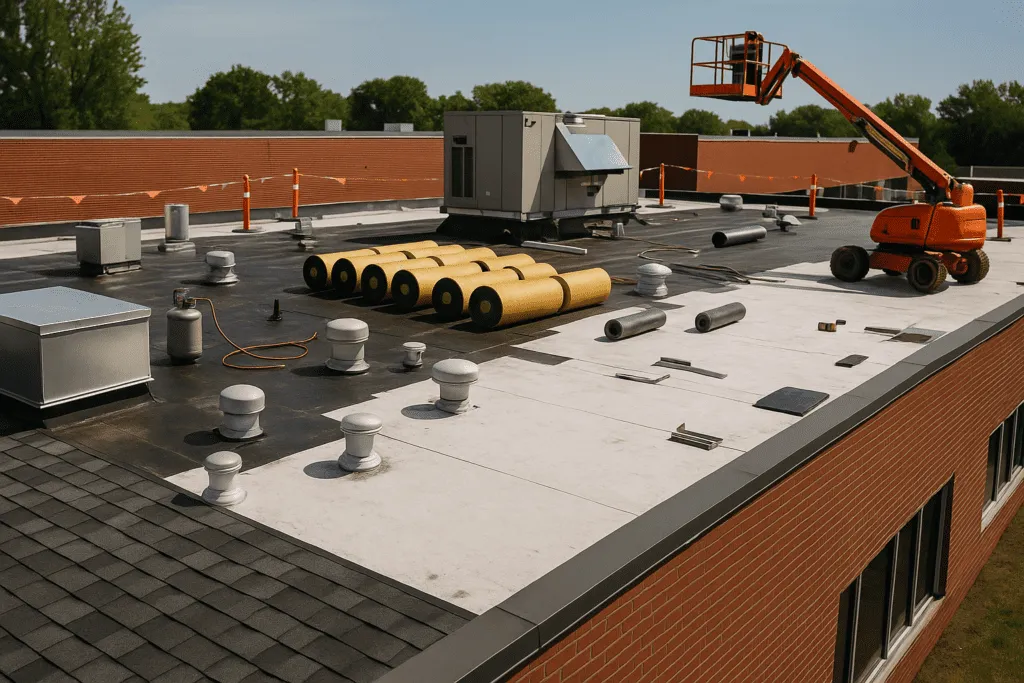
Uncovering Hidden Costs: What to Know Before Starting Your Commercial Roofing Project
When embarking on a commercial roofing project, it’s crucial to ask: Are there any hidden costs associated with commercial roofing projects? Understanding potential additional expenses can save you from unexpected financial strain. This guide will help you identify and plan for these costs, ensuring your roofing project remains within budget.

Key Takeaways
- Unexpected costs in commercial roofing projects can include permit fees, waste disposal, and unforeseen repairs.
- Labor costs significantly affect commercial roofing prices; understanding this can aid in budgeting.
- Weather-related delays can add to project duration and cost, particularly in Southern California.
- Energy-efficient roofing solutions can reduce long-term operational costs.
- Getting a detailed quote is essential to avoid hidden fees in your roofing estimates.
Identifying Potential Hidden Costs
Permit and Inspection Fees
Before starting your commercial roofing project, it’s essential to consider permit and inspection fees. These fees can vary greatly depending on your location and the size of your project. In California, permit fees typically range from $500 to $1,500. It’s advisable to check with your local building department to get an accurate estimate of these costs.
Inspections are another cost to consider. Regular inspections ensure your roof complies with safety and building standards, which can incur additional charges. To understand more about these hidden fees, you can explore our article on hidden fees in roofing estimates.
Waste Disposal and Environmental Fees
Disposing of old roofing materials can be costly. Many municipalities, especially in environmentally conscious areas like California, have specific disposal regulations that can affect your project budget. These costs can range from $200 to $1,000, depending on the volume and type of material.
Proper disposal is not just a legal requirement but also an environmental responsibility. To further understand how to mitigate these costs, consider reading about factors influencing the pricing of commercial roofing projects.
Unforeseen Structural Repairs
During a roofing project, unexpected issues such as water damage or structural weaknesses can arise, necessitating additional repairs. These repairs can add significant costs, sometimes increasing the total budget by 10-20%. Conducting a thorough pre-inspection can help identify potential issues early on.
For more insights on common problems that could affect your roofing system over time, visit our guide on common problems with commercial roofing systems.
Managing Labor and Material Costs
Labor Costs and Their Impact
Labor costs are a significant component of your roofing budget. In Southern California, labor can range from $50 to $100 per hour, depending on the project’s complexity and the laborers’ expertise. Understanding how labor costs affect commercial roofing prices can help you plan effectively.
Additionally, labor shortages or delays caused by weather conditions, such as the occasional heavy rain in Southern California, can extend the project timeline, increasing costs. Thus, choosing a reliable contractor with a proven track record is crucial.
Cost of Roofing Materials
Material costs can fluctuate due to market conditions. For instance, metal roofing materials, although durable and energy-efficient, can be more expensive upfront than other types. Here’s a comparison of common roofing materials:
| Material Type | Cost per Square Foot | Durability (Years) |
|---|---|---|
| Asphalt Shingles | $3 – $5 | 15 – 20 |
| Metal Roofing | $5 – $10 | 40 – 70 |
| Single-Ply Membrane | $4 – $8 | 20 – 30 |
Understanding the benefits of each material can help in choosing the most cost-effective option for your needs. For more on the advantages of specific materials, see our article on the benefits of metal roofing for businesses.
Negotiating Material Prices
Negotiating prices with suppliers can also help manage costs. Building a good relationship with suppliers may lead to discounts, especially for bulk purchases. Additionally, obtaining multiple quotes can provide leverage in negotiations.
For strategies on how to negotiate effectively, read our piece on negotiating pricing for your commercial roofing project.
Weather-Related Delays and Energy Efficiency
Impact of Weather on Project Timeline
Weather conditions can significantly impact the timeline of your roofing project. In Southern California, while the climate is generally mild, occasional storms or extreme heat can delay progress. These delays not only extend the project timeline but can also increase labor costs.
It’s essential to plan for potential weather disruptions and include contingency time in your project schedule. Understanding factors that lead to roofing leaks can also help in selecting appropriate materials to withstand these conditions.
Energy-Efficient Roofing Solutions
Investing in energy-efficient roofing solutions can reduce long-term costs. Reflective roofing materials and green roofing systems can lower energy usage by up to 30%, providing significant savings on utility bills.
To explore how you can reduce energy costs with roofing, see our article on energy-efficient roofing tips. These solutions not only provide cost benefits but also contribute to environmental sustainability.
Incorporating Solar Panels
Incorporating solar panels into your roofing project is another way to enhance energy efficiency. While the initial installation costs can be high, averaging $15,000 to $25,000, the long-term benefits include energy savings and potential tax incentives.
For businesses looking to make a sustainable impact, solar roofing options can be a valuable investment, offering returns through reduced electricity bills and increased property value.
Frequently Asked Questions
What are some common hidden costs in commercial roofing projects?
Common hidden costs include permit fees, waste disposal fees, unforeseen structural repairs, and costs due to weather-related delays. It’s vital to plan for these potential expenses to avoid budget overruns.
How can I ensure there are no hidden fees in my roofing estimates?
To avoid hidden fees, request a detailed quote from your contractor. Ensure all potential costs are outlined in the estimate, and clarify any vague terms. Learn more about getting a detailed quote for commercial roofing.
How do labor costs affect the overall price of a roofing project?
Labor costs can account for a substantial portion of your roofing budget, often 40-60%. Variables such as project complexity and local labor rates impact these costs. For detailed insights, refer to our article on how labor costs affect commercial roofing prices.
What are the benefits of energy-efficient roofing?
Energy-efficient roofing reduces utility bills, provides long-term savings, improves indoor comfort, and enhances property value. It also contributes to environmental sustainability by reducing your carbon footprint.
Conclusion
Understanding the hidden costs associated with commercial roofing projects is crucial for effective budget planning and project success. By anticipating expenses such as permit fees, waste disposal, and potential repairs, you can prepare adequately and avoid surprises. Additionally, exploring energy-efficient solutions can offer substantial long-term savings. For comprehensive guidance on commercial roofing, visit our commercial roofing page to learn more.
