Energy-Efficient Flat Roofing Solutions for Your Business
Choosing the right roofing for your commercial building is crucial to maximizing energy efficiency and saving on operating costs. With the sunny climate of Southern California, opting for **energy-efficient flat roofing options** can significantly impact your business’s bottom line. This guide will explore the most effective solutions, their benefits, and how they can contribute to a sustainable future.
Key Takeaways
- Energy-efficient flat roofing can reduce utility costs and improve your building’s sustainability.
- Options like TPO, PVC, and green roofs offer different benefits tailored to specific business needs.
- Understanding the climate impact in Southern California is essential for selecting the best roofing solution.
- Proper installation and maintenance are critical for maximizing energy efficiency and longevity.
- Consulting with commercial roofing experts is vital to ensure optimal roofing performance.
Types of Energy-Efficient Flat Roofing Options
TPO Roofing Systems
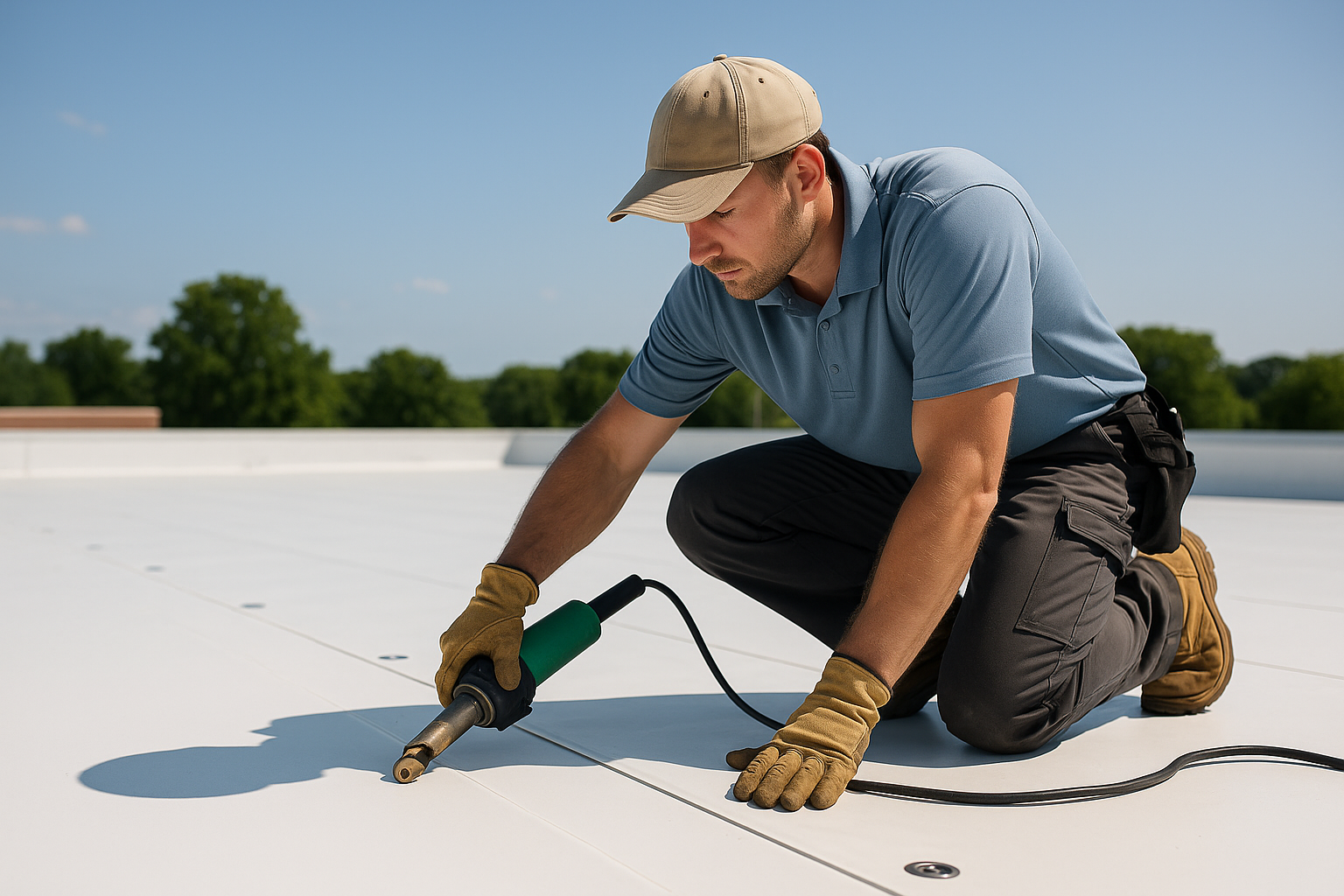
Thermoplastic Olefin (TPO) is a popular choice for **energy-efficient flat roofing options** due to its reflective properties and cost-effectiveness. TPO roofing systems can reflect up to 80% of sunlight, dramatically reducing your building’s cooling costs during hot Southern California summers. This material is also resistant to ozone, algae, and mold growth, ensuring longevity and minimal maintenance.
The installation cost of TPO roofing can range from $5 to $8 per square foot, making it a budget-friendly option for many businesses. It’s essential to ensure a professional installation to prevent issues like leaks or poor insulation. For more detailed insights on TPO and other materials, consider exploring our best flat roof solutions.
PVC Roofing Systems
Polyvinyl Chloride (PVC) roofing is another excellent choice for those seeking **energy-efficient flat roofing options**. This material is known for its durability and energy efficiency, boasting a lifespan of up to 30 years. PVC roofs are highly reflective, which helps reduce cooling costs and can withstand harsh weather conditions, making them ideal for the Californian climate.
While the initial cost of PVC roofing is slightly higher, ranging from $7 to $10 per square foot, the long-term savings on energy and repairs can offset the upfront investment. PVC is also resistant to chemicals, making it suitable for industries with high exposure to industrial pollutants.
Green Roofing Systems
Green roofs, covered with vegetation, offer a unique approach to energy efficiency. These systems provide excellent insulation, reducing heating and cooling costs by regulating the building’s temperature naturally. Additionally, green roofs contribute to better air quality and can enhance the aesthetic appeal of commercial properties.
Installing a green roof can cost between $15 and $25 per square foot, depending on the complexity and plant selection. However, the environmental benefits and potential government incentives make it a worthy investment. Learn more about eco-friendly commercial roofing solutions that might suit your business.
Installation and Maintenance Tips for Energy-Efficient Flat Roofs
Professional Installation
Proper installation of your **energy-efficient flat roofing options** is crucial to ensure optimal performance and longevity. Hiring experienced professionals can help avoid common pitfalls such as improper sealing or inadequate drainage systems. It’s essential to choose a reliable roofing contractor who understands the unique challenges of flat roofing systems.
Professional installers will ensure that your roof is correctly insulated and sealed, preventing heat loss and improving energy efficiency. This is particularly important in the San Gabriel Valley, where fluctuating temperatures can impact poorly installed roofs.
Regular Maintenance
Maintaining your flat roof is key to preserving its energy efficiency and extending its lifespan. Regular inspections can identify potential issues before they become costly repairs. Key maintenance tasks include checking for debris build-up, inspecting drainage systems, and ensuring that seals and membranes are intact.
Businesses should schedule inspections bi-annually, especially after severe weather conditions. A proactive approach to maintenance can prevent issues like leaks, which can compromise your roof’s energy efficiency. For expert tips, read about roof leak repair strategies.
Energy Efficiency Enhancements
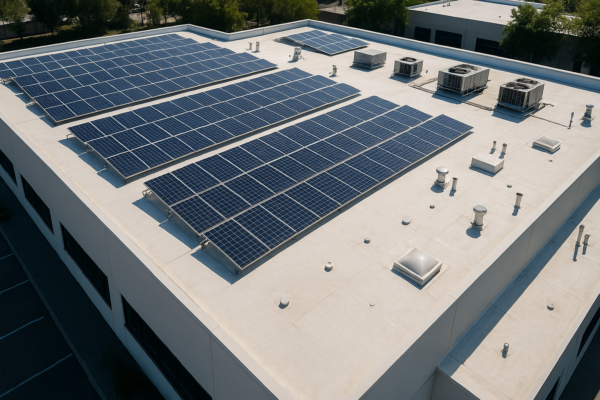
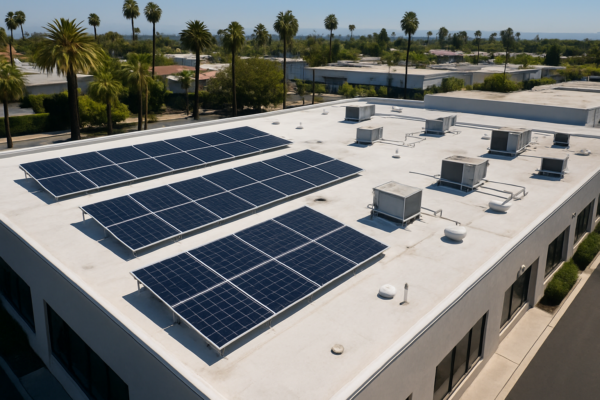
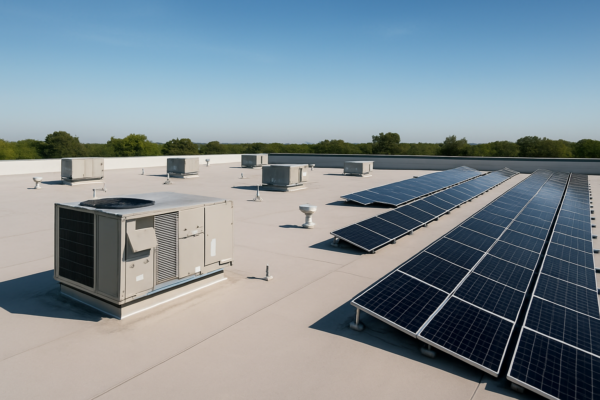
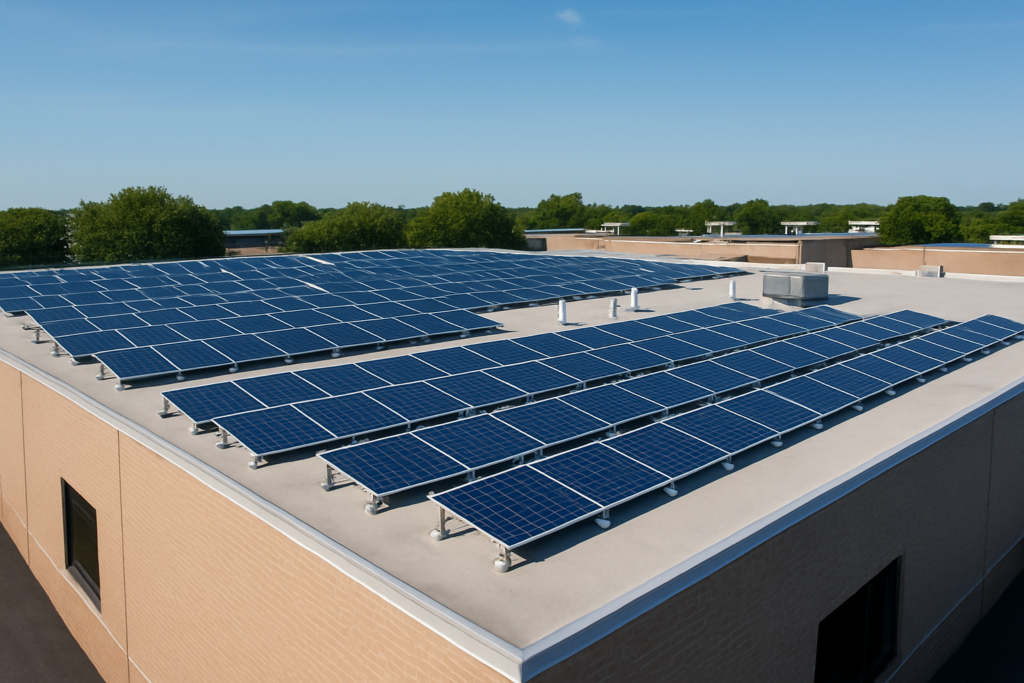
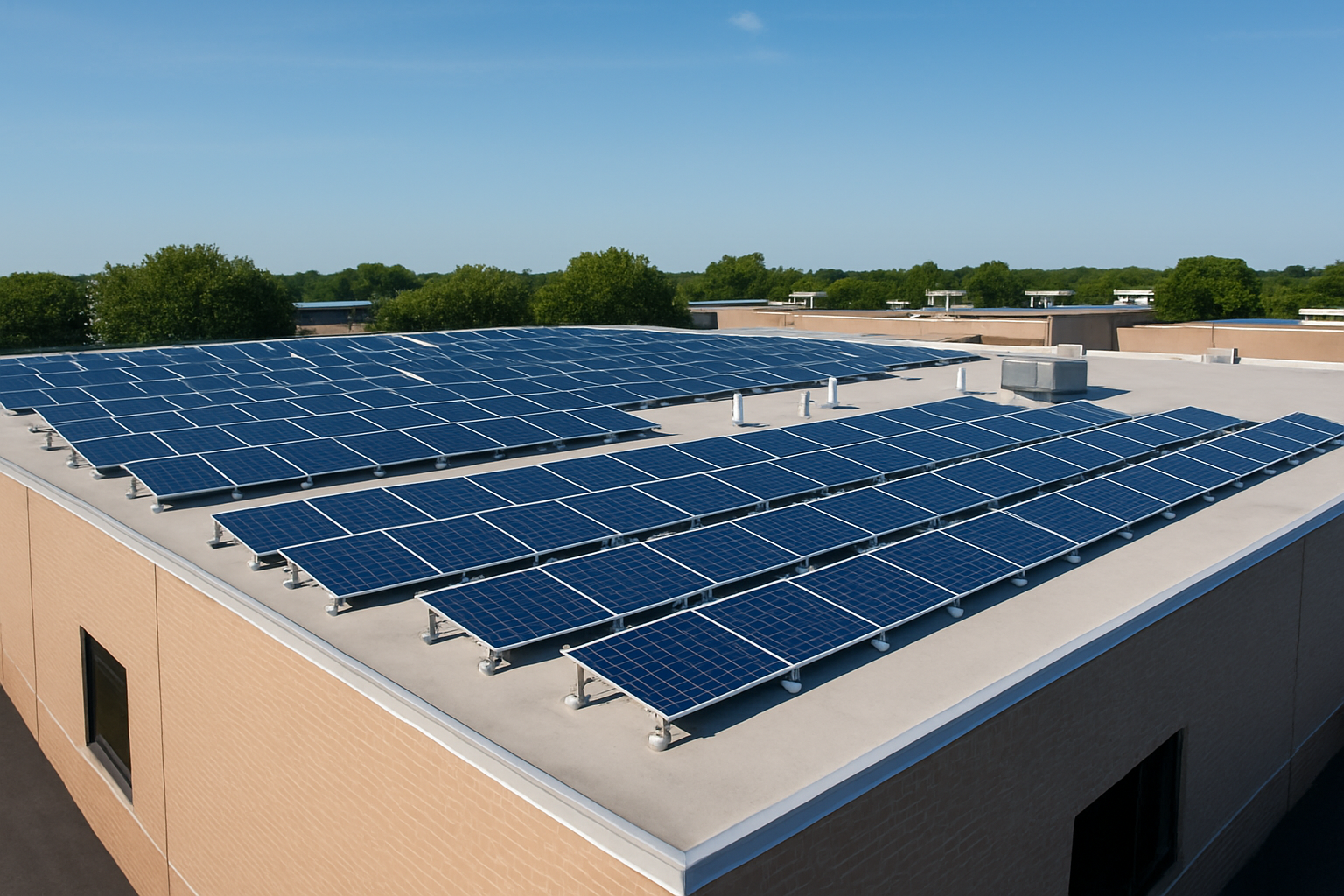
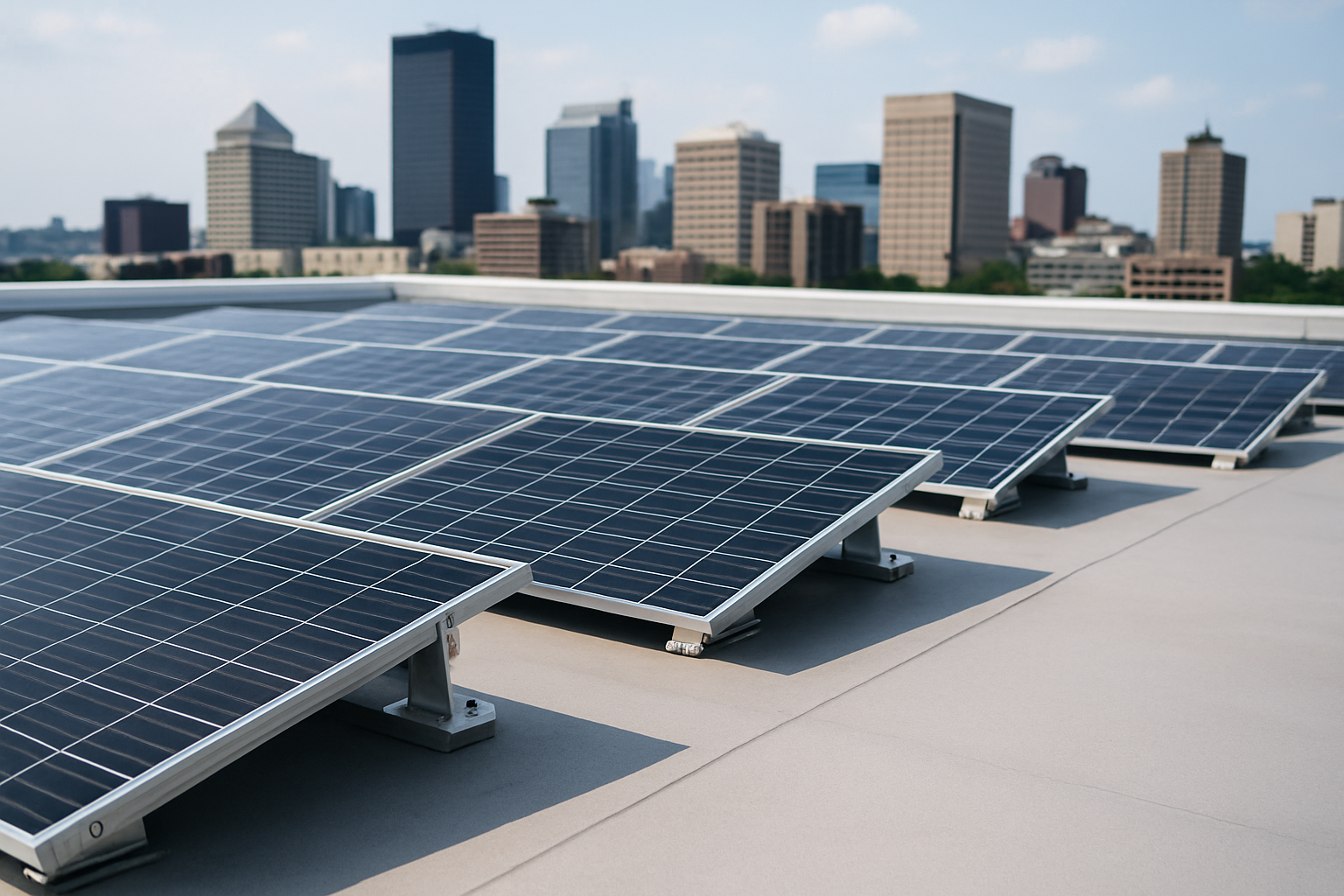
To maximize the energy efficiency of your flat roof, consider additional enhancements such as reflective coatings or solar panels. Reflective coatings can boost a roof’s albedo, further reducing heat absorption, while solar panels can provide a renewable energy source, lowering utility costs.
While the initial cost of solar panels can be significant, ranging from $15,000 to $25,000 for a commercial setup, the long-term savings and potential tax incentives can make this a financially sound decision. Understanding the different commercial roofing types can guide you in selecting the best enhancements for your building.
Comparing Energy-Efficient Flat Roofing Materials
Material Comparison
When selecting the best **energy-efficient flat roofing options**, it’s essential to compare materials based on cost, durability, and energy efficiency. Here is a comparison table to help you choose the right material for your commercial building:
| Material | Cost per Square Foot | Energy Efficiency |
|---|---|---|
| TPO | $5 – $8 | High |
| PVC | $7 – $10 | Very High |
| Green Roof | $15 – $25 | Moderate to High |
Climate Considerations
In Southern California, the climate plays a significant role in determining the most suitable **energy-efficient flat roofing options**. Materials that can withstand high temperatures and UV exposure are crucial. TPO and PVC are excellent choices due to their reflective properties and resistance to heat.
Green roofs also offer benefits in this climate by providing natural insulation and reducing urban heat island effects. However, they require more maintenance and careful plant selection to thrive in a sunny environment.
Long-term Benefits
Investing in **energy-efficient flat roofing options** can yield long-term benefits, including reduced utility bills and increased property value. Energy-efficient roofs also contribute to sustainability goals, aligning with many businesses’ corporate responsibility initiatives.
Choosing the right roofing system can result in substantial savings over time. For instance, a well-maintained TPO or PVC roof can lower cooling costs by up to 30%, providing a quick return on investment. Discover more about the cost of commercial roofing installation and potential savings.
Frequently Asked Questions
What are the most energy-efficient flat roofing options?
The most **energy-efficient flat roofing options** include TPO, PVC, and green roofs. Each offers unique benefits in terms of cost, durability, and energy savings.
How can energy-efficient roofing reduce my business costs?
Energy-efficient roofing can significantly reduce cooling and heating costs by improving insulation and reflecting sunlight. This leads to lower utility bills and a reduced carbon footprint.
What maintenance is required for energy-efficient flat roofs?
Regular maintenance for energy-efficient flat roofs includes inspections, cleaning debris, checking drainage, and ensuring seals are intact. These actions help maintain energy efficiency and prolong roof life.
Are there incentives for installing energy-efficient roofing?
Yes, there are often tax incentives and rebates available for businesses that install energy-efficient roofing systems. These incentives can help offset initial costs and encourage sustainable building practices.
Conclusion
Choosing the right **energy-efficient flat roofing options** for your business can lead to significant long-term savings and sustainability benefits. Whether you opt for TPO, PVC, or a green roof, each solution offers unique advantages tailored to specific needs. By considering the Southern California climate and investing in professional installation and regular maintenance, you can ensure that your roofing system provides optimal energy efficiency and performance. For a comprehensive overview of flat roofing solutions, visit our commercial roofing page to explore your options in detail.