
Exploring the Advantages of Flat Roofs Over Sloped Roofs: What You Need to Know
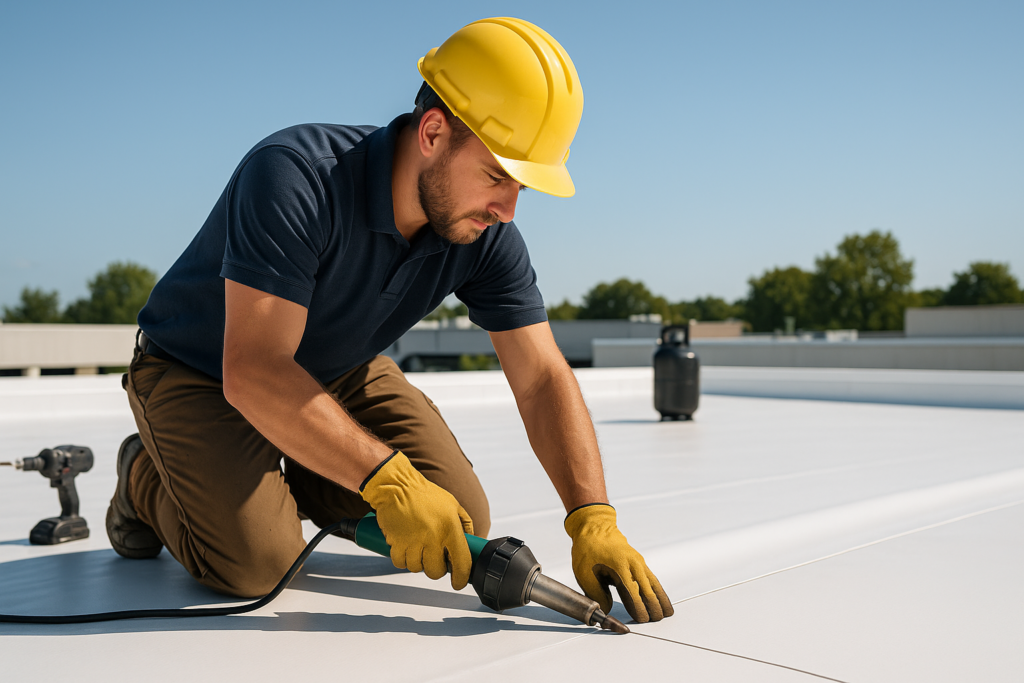
When choosing a roofing style for your property, understanding what are the advantages of a flat roof versus a sloped roof can help you make an informed decision. In regions like Southern California, where weather conditions play a significant role, it’s essential to consider both aesthetic and functional aspects. In this article, we delve into the benefits of flat roofs, comparing them to sloped roofs, and providing practical insights to help you decide which is the best option for your needs.
Key Takeaways
- Flat roofs offer a modern aesthetic and can be more cost-effective than sloped roofs.
- They provide additional usable space for installations like HVAC systems or rooftop gardens.
- Understanding the climate impact is crucial when choosing between flat and sloped roofs, especially in California.
- Maintenance and repair costs can vary significantly between flat and sloped roofing systems.
- Both roofing styles have unique advantages, making them suitable for different types of properties.
Understanding the Basics of Flat and Sloped Roofs
Design and Aesthetic Considerations
One of the primary distinctions between flat and sloped roofs is their design. Flat roofs offer a sleek, modern aesthetic that many property owners find appealing. This contemporary look is particularly popular in urban environments and for commercial buildings. In contrast, sloped roofs are more traditional, offering an array of styles such as gable, hip, and mansard, which can complement a wide range of architectural designs.
In terms of aesthetics, flat roofs can enhance the visual appeal of a building by providing a minimalist profile. This can be especially advantageous in areas where zoning laws encourage or require low-profile structures. Additionally, the clean lines of a flat roof can contribute to a building’s modern and streamlined appearance.
Cost-Effectiveness
When considering costs associated with roofing systems, flat roofs are generally more affordable to install than sloped roofs. This is primarily because flat roofs require fewer materials and less labor to construct. The simplicity of the design reduces the complexity of installation, leading to lower overall costs.
In Southern California, where building materials and labor can be expensive, opting for a flat roof can represent significant savings. Moreover, maintenance costs for flat roofs tend to be lower over time, thanks to easier access and fewer materials required for repairs. However, it’s crucial to consider the potential need for more frequent maintenance due to environmental factors such as intense sun exposure or occasional heavy rains.
Usable Space and Functionality
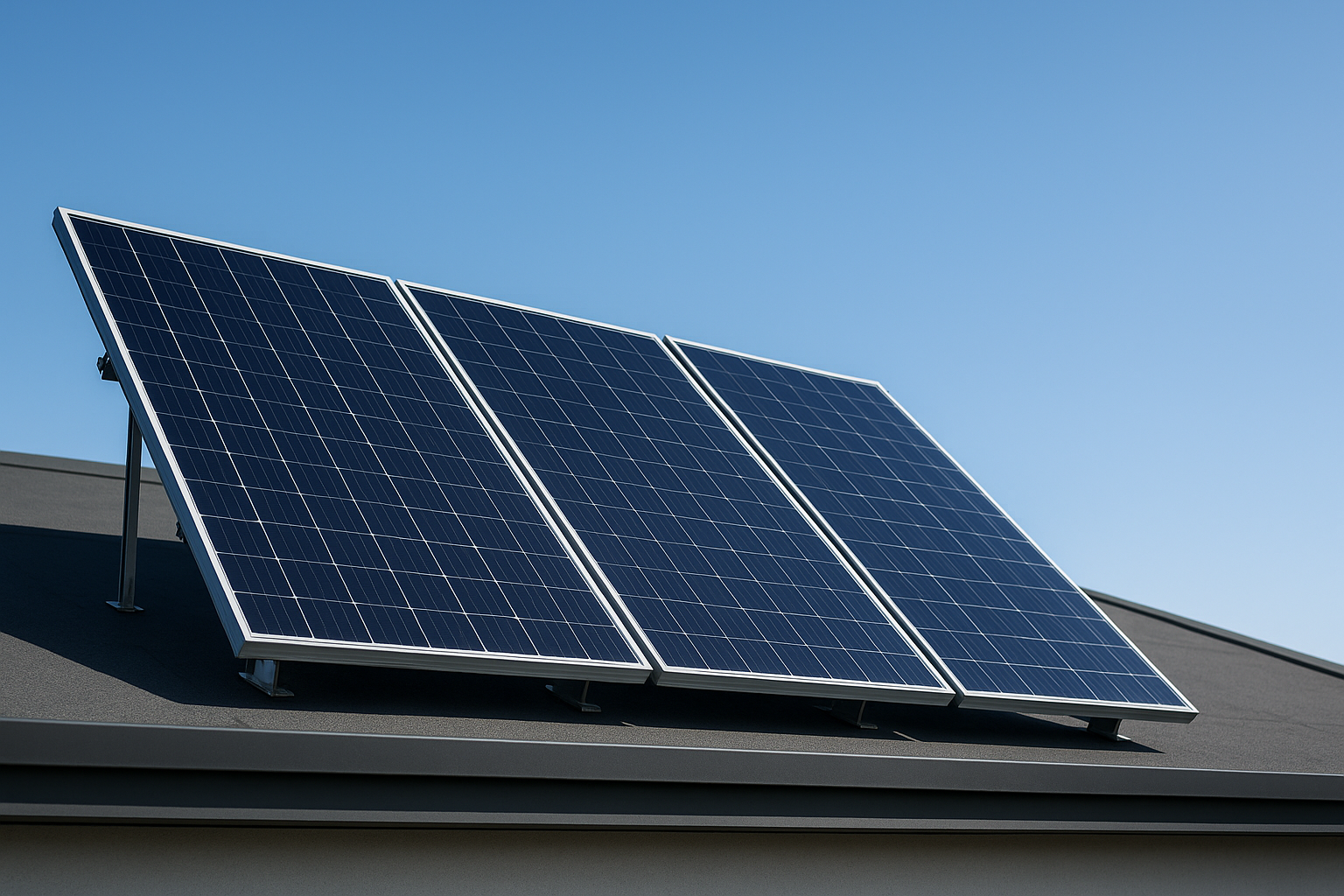
One of the standout advantages of a flat roof is the additional usable space it provides. Unlike sloped roofs, flat roofs can be utilized for a variety of purposes. This includes installing solar panels, which are increasingly popular in sunny regions like California. The benefits of energy-efficient roofing systems include reduced utility bills and a lower carbon footprint.
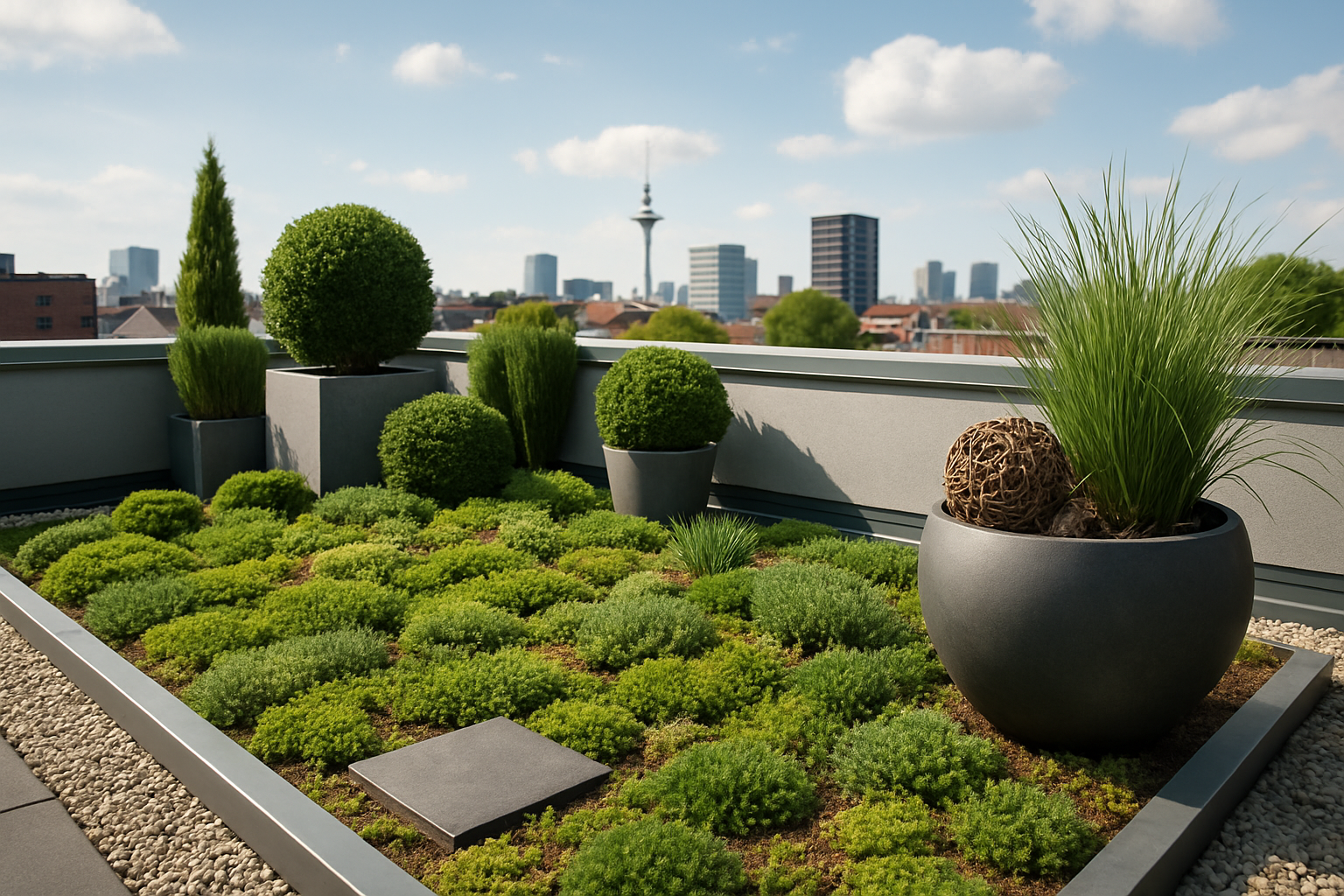
Furthermore, flat roofs can accommodate HVAC units, which frees up space elsewhere on the property and simplifies maintenance access. For residential properties, flat roofs can serve as rooftop gardens, creating a green space that enhances the environment and provides insulation benefits.
Comparing Flat and Sloped Roofs: Climate and Maintenance
Impact of Climate
The climate of Southern California is characterized by warm temperatures and minimal rainfall, which can influence the decision between flat and sloped roofs. Flat roofs are well-suited to dry climates because they offer excellent heat reflection and can be designed to handle occasional downpours efficiently. The ability to install reflective coatings or materials can further enhance a flat roof’s performance in hot weather.
Conversely, sloped roofs are traditionally favored in areas with heavy snowfall or rainfall because they naturally facilitate water runoff. However, in California, where snow is rare, the benefits of a sloped roof are less pronounced, making flat roofs an attractive option for many homeowners and businesses.
Maintenance and Durability
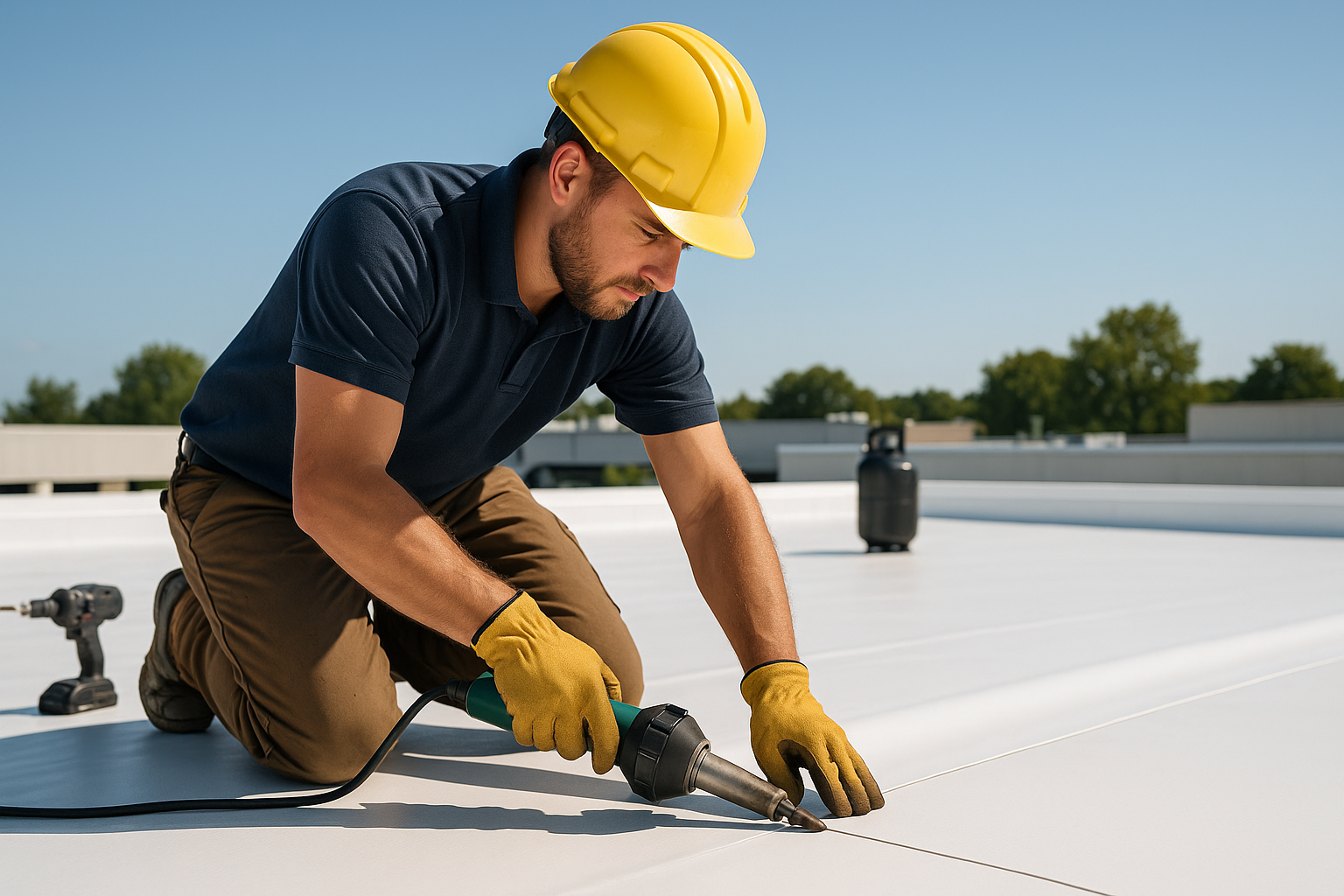
Maintenance is a crucial factor when evaluating what are the advantages of a flat roof versus a sloped roof. Flat roofs require regular inspections to ensure their drainage systems are functioning correctly, as standing water can lead to damage. However, the accessibility of a flat roof makes inspections and minor repairs more straightforward and less costly.
It’s essential to consider high-quality materials and regular maintenance to prolong the lifespan of a flat roof. You can explore maintenance tips for flat roofs to ensure durability and performance over time. Sloped roofs, while generally more resistant to water accumulation, can be more challenging and costly to repair due to their height and angle.
Repair and Replacement Costs
The costs associated with repairing and replacing flat versus sloped roofs can vary. Flat roofs often require more frequent but less expensive repairs, while sloped roofs, due to their complex design, may incur higher repair costs. Understanding the price range for commercial roof repairs and replacements can help property owners budget effectively.
| Factor | Flat Roof | Sloped Roof |
|---|---|---|
| Installation Cost | $5,000 – $10,000 | $7,000 – $15,000 |
| Maintenance Cost (Annual) | $300 – $500 | $500 – $1,000 |
| Repair Frequency | Every 5-10 years | Every 10-15 years |
| Lifespan | 20-30 years | 30-50 years |
Practical Tips for Choosing Between Flat and Sloped Roofs
Consider Your Building’s Purpose
When deciding between flat and sloped roofs, consider the primary purpose of your building. For commercial properties, flat roofs offer practical advantages such as the ability to house equipment and create additional functional space. Residential properties can also benefit from the modern aesthetic and potential for rooftop gardens.
Sloped roofs, on the other hand, may be more appropriate for traditional residential homes that value aesthetic variety and efficient water runoff. Ensuring your roof choice aligns with your property’s goals is crucial for maximizing utility and satisfaction.
Evaluate Long-Term Costs
Long-term costs are a vital consideration when determining what are the advantages of a flat roof versus a sloped roof. Although flat roofs may have lower initial installation costs, the need for more frequent maintenance should be factored into your decision. Conversely, while sloped roofs may require a higher initial investment, their durability can lead to fewer repairs over time.
Access resources like roof leak repair services to understand potential long-term expenses and maintenance requirements for both roof types. This information can guide you in making a cost-effective decision that aligns with your budget and property needs.
Assess Environmental Impact
Both flat and sloped roofs can contribute to sustainability, but in different ways. Flat roofs are ideal for installing green roofs or solar panels, which can significantly reduce a building’s environmental impact. The ability to incorporate energy-efficient systems is a key advantage of flat roofs in sunny climates like California.
Sloped roofs can also be environmentally friendly, especially if constructed with sustainable materials like metal or recycled shingles. Exploring options such as metal roofing advantages can provide insights into eco-friendly choices for sloped roofs.
- Consider your local climate and weather patterns.
- Evaluate the primary function of your building.
- Factor in initial costs versus long-term savings.
- Explore sustainable and energy-efficient options.
- Consult with roofing experts to understand specific needs.
Frequently Asked Questions
What are the main benefits of a flat roof?
Flat roofs offer several benefits, including cost-effectiveness, additional usable space, and a modern aesthetic. They are particularly suitable for commercial properties where rooftop installations like solar panels or HVAC units are common. Flat roofs also provide a sleek, minimalist appearance that can enhance the visual appeal of a building.
Is a flat roof suitable for heavy rainfall areas?
While flat roofs are generally more suited to dry climates, they can be engineered to handle heavy rainfall with proper drainage systems. In areas with significant rainfall, it’s crucial to ensure that the roof is equipped with adequate waterproofing solutions to prevent leaks and water damage.
How do maintenance needs differ between flat and sloped roofs?
Flat roofs typically require more frequent maintenance to ensure drainage systems are clear and functional, while sloped roofs generally need less frequent attention but can be more challenging to access for repairs. Regular inspections and prompt repairs are essential for both roof types to maintain longevity and performance.
What should I consider when choosing between flat and sloped roofs?
When choosing between flat and sloped roofs, consider factors such as your building’s purpose, long-term costs, climate, and potential for energy efficiency. Consulting with roofing professionals can provide valuable insights tailored to your specific needs and location.
Conclusion
Understanding what are the advantages of a flat roof versus a sloped roof is essential for making an informed decision that aligns with your property’s needs and goals. Flat roofs offer cost savings, additional space, and a modern aesthetic, making them ideal for many commercial and residential properties in Southern California. However, sloped roofs provide distinct benefits such as effective water runoff and diverse design options. By evaluating your specific requirements and consulting with experts, you can select a roofing style that enhances your property’s functionality and appearance. For more information, visit our Roof Leak Repair Services.