
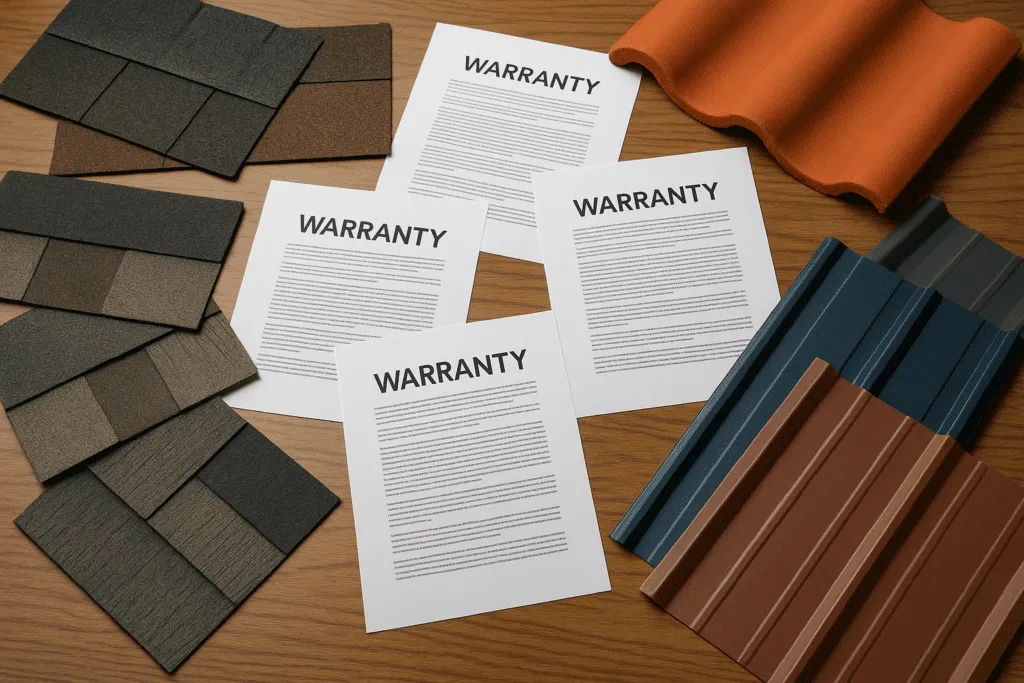
Understanding Roofing Warranties: A Manufacturer Comparison for Different Roofing Types
When it comes to roofing investments, understanding how warranties differ among manufacturers is crucial. This knowledge helps you make informed decisions about choosing the right material for your commercial or residential property. So, how does the warranty for each roofing type differ among manufacturers? In this comprehensive guide, we’ll explore various roofing types, compare manufacturer warranties, and provide practical tips for selecting a roof with the best protection.

Key Takeaways
- Roofing warranties vary significantly among manufacturers, impacting cost and coverage.
- Understanding the differences in warranty coverage helps you choose the best roofing material for your needs.
- Key factors in choosing a roofing warranty include material, climate impact, and installation quality.
- Manufacturers offer different warranties based on the roofing type, such as asphalt shingles, metal roofs, and flat roofs.
- Consulting with professional roofing services, like Roof Titan, ensures optimal warranty coverage and roof performance.
Comparing Roofing Warranties by Material Type
Asphalt Shingles
Asphalt shingles are one of the most popular roofing materials due to their affordability and ease of installation. However, warranties for asphalt shingles can differ considerably among manufacturers. Typically, these warranties range from 20 to 30 years, but some premium products offer up to 50 years.
It’s important to note that these warranties cover manufacturer defects but often exclude damage from extreme weather conditions, which are a significant factor in Southern California. Many manufacturers, such as GAF and CertainTeed, offer extended warranties that include installation errors and additional weather protection. Choosing the right warranty can help you avoid unexpected costs, as highlighted in our article on hidden costs in commercial roofing projects.
Metal Roofs
Metal roofs are known for their durability and longevity, often lasting 40 to 70 years. The warranty for metal roofing typically reflects this longevity, with many manufacturers offering warranties for up to 50 years. However, these warranties often cover different aspects, such as paint finish, structural integrity, and weather resistance.
Manufacturers like Owens Corning and Malarkey Roofing Products provide varying levels of coverage, with some focusing on color fading and others on material defects. The choice of warranty should consider local climate conditions, as Southern California’s sun exposure can significantly affect the roof’s appearance over time. For more on the benefits of metal roofing, visit our detailed guide on the benefits of metal roofing.
Flat Roofs
Flat roofs are prevalent in commercial buildings due to their cost-effectiveness and ease of maintenance. Warranties for flat roofs, such as those using TPO, PVC, or EPDM membranes, vary widely. These materials typically come with warranties ranging from 15 to 30 years, depending on the manufacturer and the specific product used.
Manufacturers like Firestone and Carlisle SynTec Systems offer warranties that may cover punctures, UV exposure, and even wind uplift. However, the effectiveness of these warranties can depend heavily on proper installation and maintenance. For comprehensive coverage, it’s advisable to hire experienced roofing contractors, as discussed in our article on local commercial roofing contractors.
How Manufacturer Warranties Differ for Different Roofing Types
Comparing Warranty Coverage
Understanding how the warranty for each roofing type differs among manufacturers requires a close look at what each warranty covers. Most warranties focus on manufacturer defects but may differ in terms of coverage duration and specific conditions.
Here’s a comparison table illustrating typical warranties for different roofing types:
| Roofing Type | Typical Warranty Duration | Coverage Details |
|---|---|---|
| Asphalt Shingles | 20-50 years | Defects, installation errors (extended), weather impact (limited) |
| Metal Roofs | 40-70 years | Paint finish, structural integrity, weather resistance |
| Flat Roofs | 15-30 years | Material defects, UV exposure, wind uplift |
Factors Influencing Warranties
Several factors influence the differences in roofing warranties among manufacturers. These include the type of material, regional climate conditions, and the quality of installation. For instance, regions prone to extreme weather, like Southern California, may require more comprehensive warranties.
Manufacturers often tailor their warranties to address these conditions, offering additional coverage for issues like UV damage or water resistance. It’s crucial to understand these factors when selecting a roofing warranty, as they can significantly impact long-term roof performance.
Practical Tips for Choosing a Roofing Warranty
Selecting the right warranty can be daunting, but these practical tips can guide you:
- Evaluate the specific needs of your building, including location and climate.
- Consider the lifespan and durability of the roofing material.
- Look for warranties that cover both material and installation defects.
- Consult with professional roofing services to understand warranty terms better.
- Read the fine print to understand exclusions and limitations of the warranty.
Maximizing the Value of Your Roofing Warranty
Ensuring Proper Installation
Proper installation is key to maximizing the value of any roofing warranty. Many warranties require that roofs be installed by certified professionals to maintain their validity. This ensures that the roof performs as expected and that any potential issues are covered under the warranty.
For homeowners in Southern California, hiring experienced professionals like those provided by Roof Titan can help ensure a quality installation. Professional installation not only enhances the roof’s lifespan but also gives you peace of mind knowing your investment is protected.
Regular Maintenance and Inspection
Manufacturers often stipulate regular maintenance and inspections as part of their warranty terms. This helps in identifying potential issues early, avoiding costly repairs, and keeping the warranty intact. Routine inspections are especially important in regions with harsh weather conditions.
Regular maintenance includes cleaning gutters, checking for damaged shingles, and ensuring proper drainage. For more detailed guidance, check out our article on factors that lead to roofing leaks.
Understanding Coverage Exclusions
Each warranty comes with specific exclusions, which are important to understand before making a purchase decision. Common exclusions include neglect, damage from extreme weather conditions, and unauthorized modifications.
By understanding these exclusions, you can better maintain your roof and ensure that it remains covered under the warranty. For instance, being aware of how extreme weather affects roofing can help you take proactive measures to protect your investment.
Frequently Asked Questions
What is typically covered under a roofing warranty?
A roofing warranty typically covers defects in materials and workmanship. Some warranties also offer additional coverage for installation errors and environmental damage, depending on the manufacturer and product type.
How do I file a claim on my roofing warranty?
To file a warranty claim, first document the issue with photographs and detailed descriptions. Then, contact the manufacturer or your roofing contractor to initiate the claim process. Ensure you have all necessary paperwork, including proof of purchase and installation records.
Can I transfer my roofing warranty to a new homeowner?
Many roofing warranties are transferable to new homeowners, provided the transfer is completed within a specified timeframe after the sale of the property. Check your warranty details for specific terms regarding transferability.
How do I know if a roofing warranty is worth the cost?
Evaluate the warranty cost against potential repair or replacement expenses. Consider the material’s expected lifespan, the climate, and the building’s specific needs. Consulting with professionals can also provide insights into the warranty’s value.
Conclusion
Understanding how the warranty for each roofing type differs among manufacturers is essential for making informed decisions about your roofing investment. By comparing warranties, considering material-specific needs, and ensuring proper installation and maintenance, you can maximize the value of your warranty. For expert guidance and quality roofing solutions, explore comprehensive resources and services offered by Roof Titan.
