Understanding Roof Replacement Costs for Your Business
When considering a **roof replacement** for your commercial property, understanding the **roof replacement cost for businesses** is crucial. The costs can vary significantly based on several factors, including materials, labor, and the size of your roof. This guide will help you navigate these considerations and make informed decisions about your investment.
Key Takeaways
- The **roof replacement cost for businesses** is influenced by material type, labor rates, and roof size.
- Choosing the right roofing material can significantly impact long-term maintenance and energy costs.
- Understanding local climate conditions, like those in Southern California, is essential for selecting the appropriate roofing system.
- Comparing different roofing options and their benefits can lead to more cost-effective decisions.
- Regular maintenance and timely repairs can extend the life of your new roof and save costs over time.
Factors Influencing Roof Replacement Costs
Material Choices and Their Impact
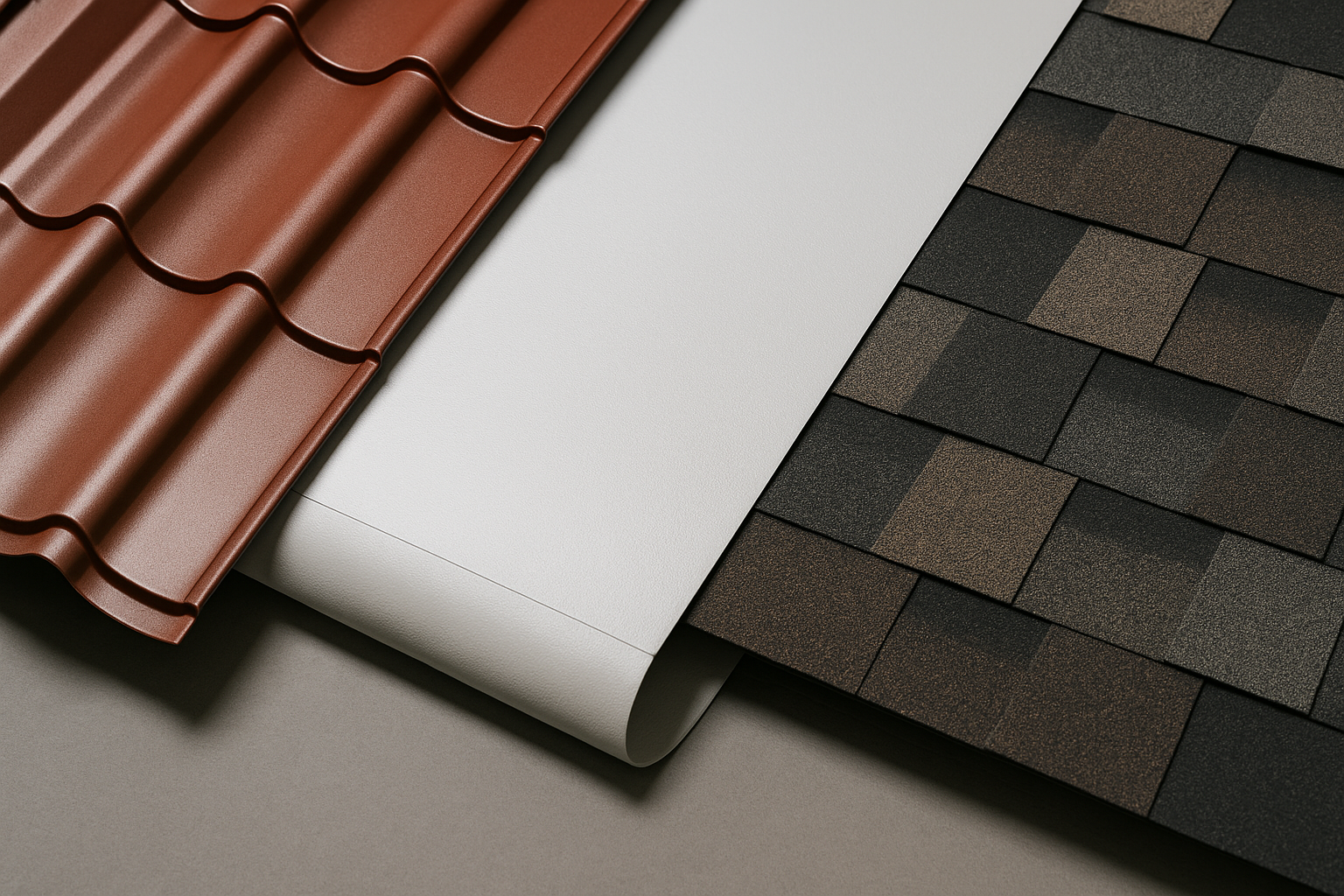
One of the most significant factors affecting the **roof replacement cost for businesses** is the choice of roofing material. Common options include asphalt shingles, metal, TPO, and EPDM. Each material has its price range, durability, and maintenance requirements.
For instance, metal roofing is known for its longevity and energy efficiency, which can lead to long-term savings despite a higher upfront cost. On the other hand, asphalt shingles are less expensive but may not last as long, especially under the intense sun in Southern California.
Labor Costs and Regional Variations
Labor costs are another major component of the **roof replacement cost for businesses**. These costs can vary based on your location, the complexity of the installation, and the expertise required. In areas like California, where the cost of living is higher, you might expect labor costs to be more substantial compared to other regions.
It’s advisable to consult with local roofing experts who understand the specific challenges and regulations in your area, ensuring compliance with local codes and standards.
Size and Design Complexity
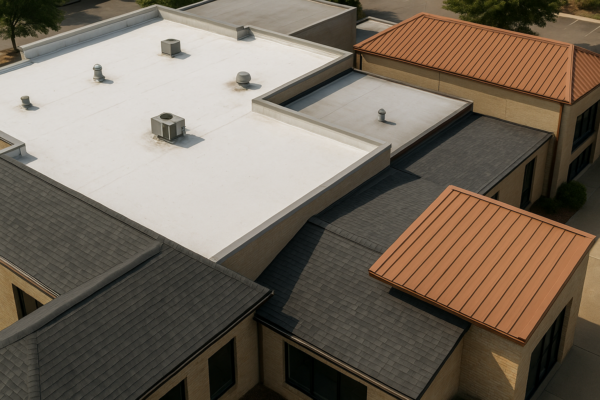
The size and design complexity of your roof will also affect the overall cost. Larger roofs naturally require more materials and labor, increasing the expenses. Additionally, roofs with complex designs or multiple levels can require more intricate work, thus raising the cost further.
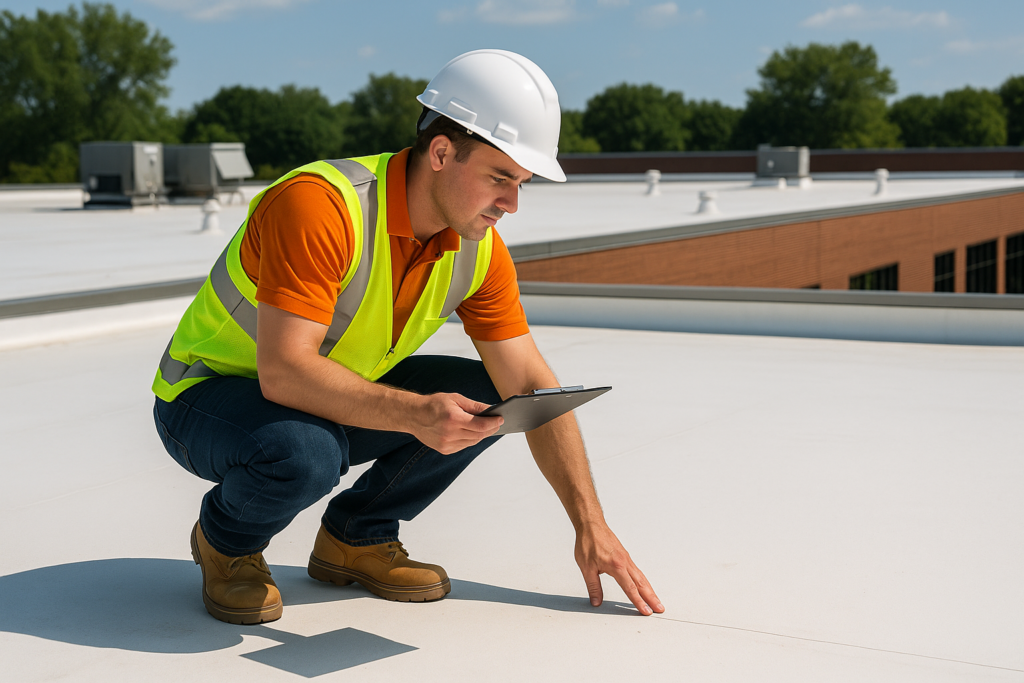
For businesses considering a roof replacement, a detailed assessment of the roof’s current condition and structural requirements is essential. This will help provide a more accurate estimate and avoid unexpected expenses.
Comparing Different Roofing Materials
Cost and Durability Comparison
Understanding the cost and durability differences between materials is crucial for making an informed decision. Here’s a comparison of some popular commercial roofing materials:
| Material | Average Cost per Square Foot | Average Lifespan |
|---|---|---|
| Asphalt Shingles | $3 – $5 | 15-20 years |
| Metal Roofing | $7 – $10 | 40-70 years |
| TPO | $5 – $8 | 20-30 years |
| EPDM | $6 – $9 | 25-30 years |
This table highlights how initial costs might be offset by longer lifespans and potential savings in maintenance and energy efficiency, especially for materials like metal roofing.
Energy Efficiency and Climate Considerations
In regions like Southern California, energy efficiency is a key consideration. Materials like TPO and metal are known for their reflective properties, which can help reduce cooling costs during hot summers. Choosing the right material can lead to significant savings on energy bills.
Consider energy-efficient roofing tips to maximize benefits and minimize operational costs for your business.
Maintenance and Repair Needs
Each roofing material comes with its maintenance requirements. For instance, asphalt shingles may require more frequent inspections and repairs compared to metal or TPO roofs. Understanding these needs helps in budgeting for future maintenance and avoiding unexpected costs.
Regular maintenance, such as cleaning gutters and checking for leaks, can extend the lifespan of your roof. Learn more about effective roof repair strategies to keep your investment protected.
Tips for Managing Roof Replacement Costs
Planning and Budgeting
Proper planning and budgeting are essential for managing the **roof replacement cost for businesses** effectively. Start by obtaining multiple quotes from reputable roofing contractors and comparing their proposals.
Consider the following tips when planning your roof replacement project:
- Schedule replacements during off-peak seasons to potentially reduce costs.
- Ensure a clear understanding of the scope of work and materials included in the estimate.
- Work with a contractor who offers warranties on both materials and labor.
These steps can help you avoid unexpected expenses and ensure that you are getting the best value for your investment.
Leveraging Tax Benefits and Incentives
There are various tax benefits and incentives available to businesses investing in energy-efficient roofing systems. These can help reduce the overall **roof replacement cost for businesses** by providing financial relief.
Check with local authorities or a tax advisor to learn about available incentives and how they might apply to your project. This can be particularly beneficial when investing in high-efficiency materials like metal or TPO roofing.
Choosing the Right Contractor
The choice of contractor can significantly impact the success and cost of your roof replacement project. Ensure you select a contractor with experience in commercial roofing and a solid reputation.
Look for contractors who offer comprehensive services, including maintenance and repair, to ensure a long-lasting roof. Explore commercial roofing cost estimates to find a contractor that meets your needs and budget.
Frequently Asked Questions
How often should a commercial roof be replaced?
Commercial roofs typically need replacement every 20 to 30 years, depending on the material and environmental conditions. Regular maintenance can extend the lifespan of your roof.
What factors most affect the cost of a new commercial roof?
The primary factors include the type of material, labor costs, roof size, and design complexity. Regional factors such as local labor rates and climate also play a significant role.
Are there financing options available for commercial roof replacements?
Yes, many roofing contractors offer financing options. Additionally, there may be tax credits and incentives available for energy-efficient roofing systems that can help offset costs.
Can a roof replacement increase my property value?
A new roof can significantly enhance the aesthetic appeal and energy efficiency of a property, potentially increasing its market value. It’s a worthwhile investment for long-term benefits.
Conclusion
Understanding the **roof replacement cost for businesses** involves considering various factors such as materials, labor, and roof size. By choosing the right materials and working with experienced contractors, you can ensure a cost-effective and durable solution for your commercial property. Regular maintenance and exploring energy-efficient options can further enhance the value and longevity of your investment. For more detailed information, visit our commercial roofing page and explore the numerous resources available to aid in your decision-making process.