Understanding Commercial Roofing Installation Costs Today
When you’re in the market for a new roof for your commercial property, understanding the **quote for commercial roofing installation** is crucial. The cost involves several factors, from materials to labor, and can vary significantly based on your location and specific needs. In this comprehensive guide, we’ll explore the key elements that affect commercial roofing costs, helping you make an informed decision for your business.
Key Takeaways
- Understanding the components of a **quote for commercial roofing installation** is crucial for budgeting effectively.
- Material choice heavily influences the cost, with options ranging from affordable asphalt to premium metal roofing.
- Labor costs in Southern California can be higher due to regional demand and climate considerations.
- Energy efficiency and sustainability options may offer long-term savings despite higher upfront costs.
- Regular maintenance can prolong the life of your commercial roof, reducing overall expenses.
- It’s important to get multiple quotes and consult with professionals to find the best roofing solution for your needs.
Factors Influencing Commercial Roofing Costs
Material Selection and Costs
The type of roofing material you choose is one of the most significant factors affecting the cost of commercial roofing installation. Options range from more traditional materials like asphalt shingles to advanced materials such as TPO, PVC, and metal roofing. Each material offers different benefits and price points.
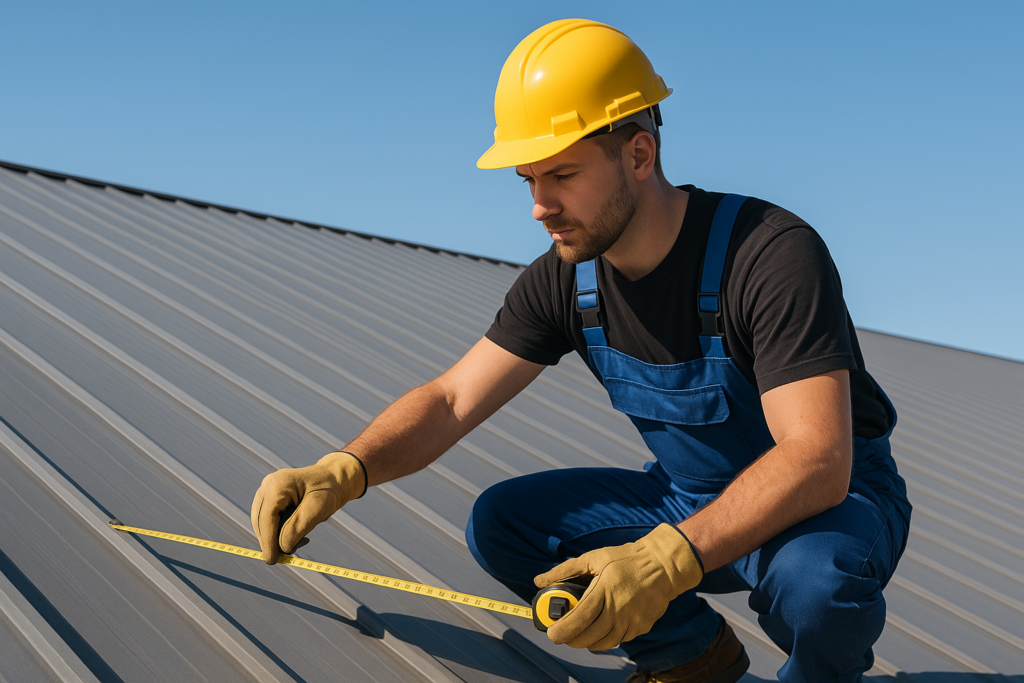
For example, **metal roofing**, known for its durability and energy efficiency, might cost between $7 to $12 per square foot installed. Meanwhile, a more affordable option such as asphalt shingles might range from $3 to $5 per square foot. Advanced materials like TPO or PVC can range from $5 to $9 per square foot, offering benefits like heat resistance and flexibility.
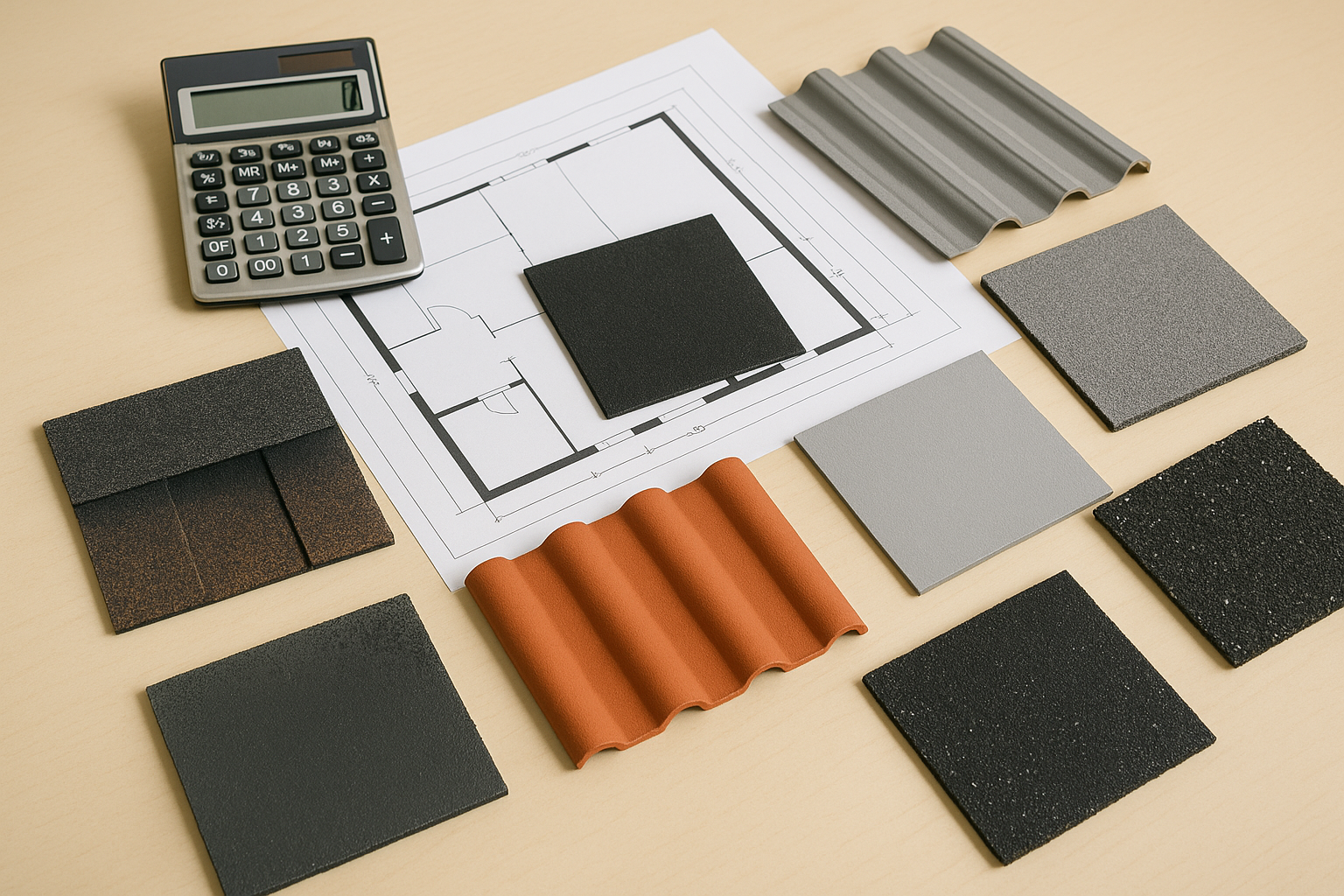
Choosing the right material is not only about upfront costs but also about long-term savings. Consider reading our detailed guide on affordable commercial roofing options to explore your choices.
Labor Costs in Southern California
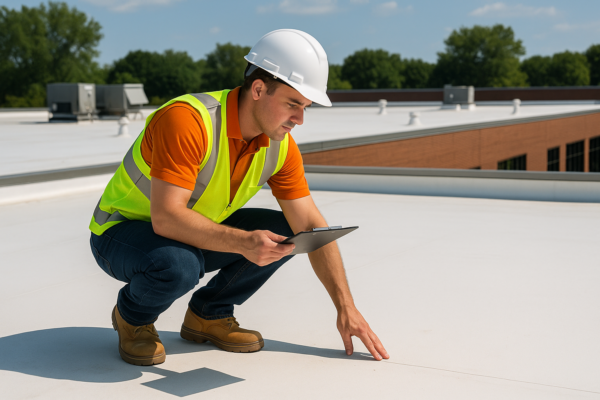
Labor is a pivotal part of your **quote for commercial roofing installation**. In Southern California, labor costs tend to be higher due to the region’s demand and climate. Installing a roof in this area requires considerations for both heat and seismic activity, which can affect installation techniques and materials used.
It’s essential to hire experienced professionals who understand these local challenges. Labor costs can range from $1.50 to $3 per square foot, depending on the complexity of the roof and the experience level of the contractors. To ensure you’re getting the best service, consider learning more about the commercial roofing cost estimates and what to expect during installation.
Additional Cost Considerations
Beyond materials and labor, several other factors can influence your overall roofing costs. Removal of the old roof, permits, and compliance with local building codes can add to expenses. It’s crucial to include these in your initial **quote for commercial roofing installation** to avoid surprises.
Additionally, incorporating features like insulation and ventilation can increase upfront costs but provide energy savings in the long run. For instance, investing in cool roofing technologies, which reflect more sunlight and absorb less heat, can significantly cut down on cooling costs. Learn more about cool roofing technologies to enhance your building’s efficiency.
Comparing Commercial Roofing Materials
Material Durability and Lifespan
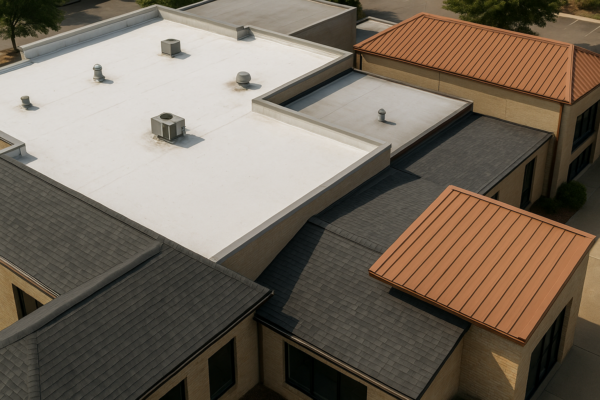
When selecting a roofing material, it’s important to consider not just the cost but also the durability and lifespan of the material. Here’s a comparison of popular materials:
| Material | Average Lifespan | Cost per Square Foot |
|---|---|---|
| Asphalt Shingles | 20-30 years | $3 – $5 |
| Metal Roofing | 40-70 years | $7 – $12 |
| TPO/PVC | 20-30 years | $5 – $9 |
| EPDM | 15-25 years | $4 – $8 |
| Built-Up Roofing | 15-30 years | $5 – $7 |
Your choice should align with your business’s long-term goals and budget. For a deeper dive into each type, check out our page on different commercial roofing types for your business.
Energy Efficiency and Tax Incentives
Energy efficiency is a growing consideration for commercial building owners due to the potential for significant cost savings. Roofing materials like cool roofs and reflective membranes can reduce energy use by up to 15%. Although these materials may have a higher initial cost, they can result in lower utility bills over time.
Moreover, investing in energy-efficient roofs might qualify your business for tax incentives. Understanding these incentives can further reduce the overall cost of installation. Explore our guide on commercial roofing energy tax credits to maximize your savings.
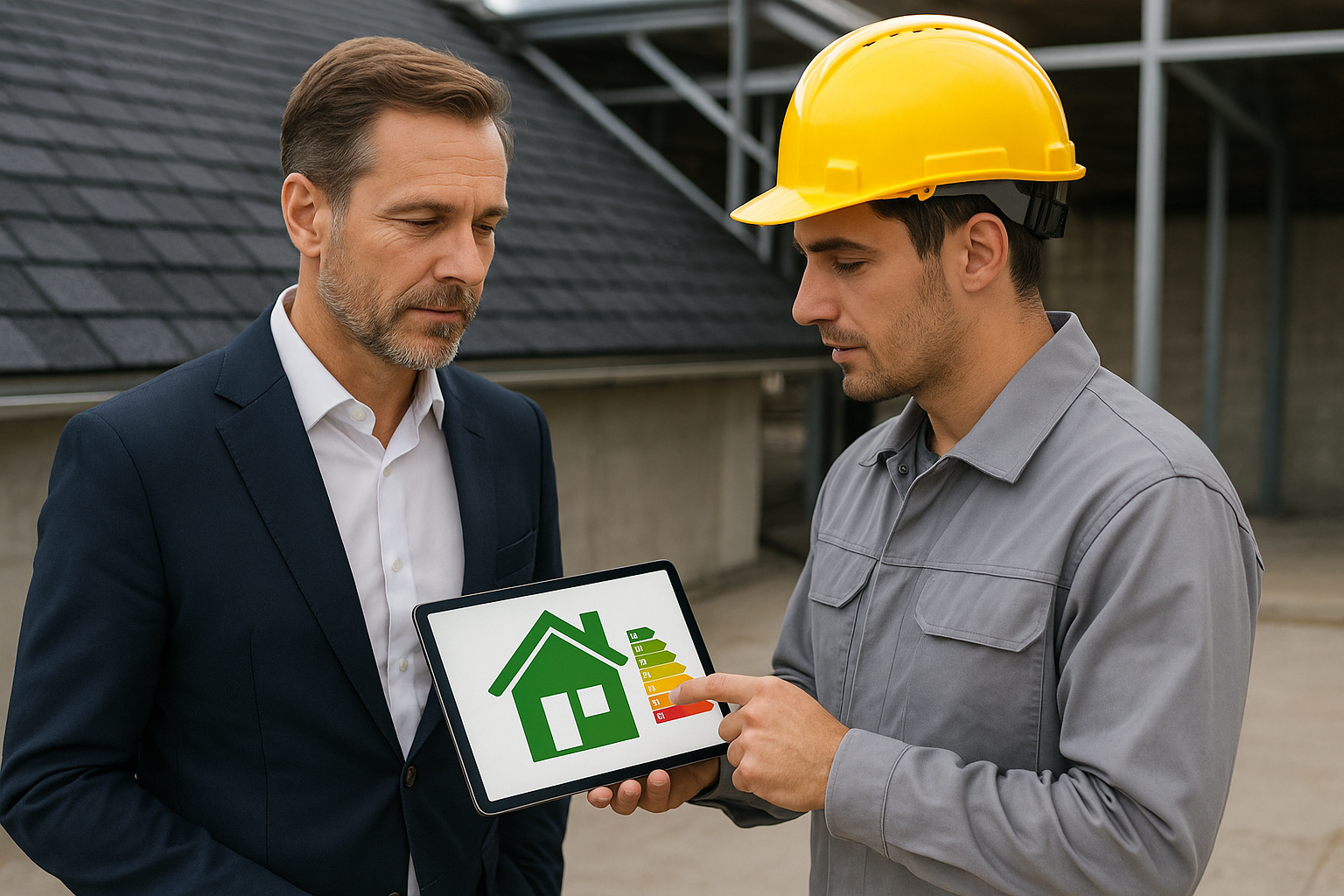
For those interested in sustainable options, our article on sustainable roofing for commercial properties offers insights into eco-friendly materials and practices.
Maintenance and Longevity
Regular maintenance is essential for extending the lifespan of your commercial roof and minimizing unexpected repair costs. Maintenance typically includes inspections, cleaning gutters, and addressing minor repairs before they escalate. The typical cost for maintenance services ranges from $0.10 to $0.25 per square foot annually.
Investing in a maintenance plan can save you from costly repairs down the line. To understand more about the importance of regular maintenance, read our article on commercial roofing maintenance for your business.
Frequently Asked Questions
What factors determine the cost of a commercial roofing installation?
The cost depends on several factors, including the type of roofing material, the size of the roof, labor costs, location, and additional features such as insulation or cool roofing technologies.
How can I get an accurate quote for commercial roofing installation?
To obtain an accurate **quote for commercial roofing installation**, it’s advisable to consult with multiple contractors, ensuring they provide detailed estimates that include all potential costs. You can also visit our commercial roofing page for more information.
Are there any ways to reduce the cost of commercial roofing installations?
Yes, consider selecting cost-effective materials, taking advantage of tax credits for energy-efficient roofs, and ensuring regular maintenance to extend the roof’s lifespan. Our article on energy-efficient commercial roofing options offers valuable insights.
What is the best roofing material for a commercial building in Southern California?
The best material often depends on specific needs, but metal roofing and TPO are popular in Southern California due to their durability and energy efficiency. For more tailored advice, consulting with a roofing professional is recommended.
Conclusion
Understanding the components of a **quote for commercial roofing installation** is essential for making informed decisions. From selecting the right materials to considering labor costs and additional features, each factor plays a role in the total investment. By leveraging energy-efficient options and maintaining your roof, you can ensure long-term savings and sustainability for your business. For expert advice and personalized quotes, explore our resources or contact a professional today.