
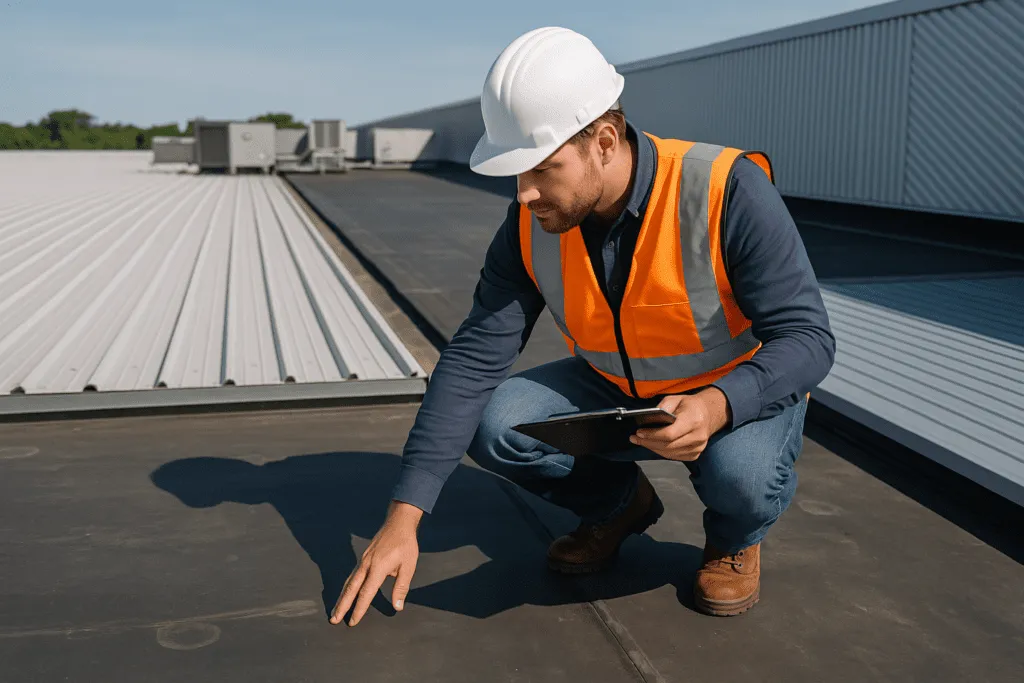
Rubber vs. Metal Commercial Roofing: Comparing Costs for Your Next Project
When planning a commercial roofing project, understanding the cost differences between rubber and metal roofing materials is crucial. With varying durability, maintenance needs, and initial installation expenses, making an informed choice can significantly affect your budget and the longevity of your roof. If you’re asking, “What Are the Differences in Cost Between Rubber and Metal Commercial Roofing?”, this comprehensive guide will help you navigate the options.

Key Takeaways
- Rubber and metal roofing materials offer distinct advantages and cost implications.
- Metal roofs require a higher initial investment but offer long-term savings through durability.
- Rubber roofs, while less expensive upfront, may have higher maintenance and replacement costs.
- Climate considerations, such as those in Southern California, can influence material choice.
- Understanding labor costs and potential hidden expenses is vital for budgeting your project.
Material Costs: Rubber vs. Metal
Initial Installation Costs
The primary factor when considering commercial roofing is the initial installation cost. Metal roofing, typically made from materials like steel, aluminum, or copper, tends to be more expensive upfront. On average, metal roofs cost between $7 to $14 per square foot, depending on the material and complexity of the installation. In contrast, rubber roofing, often made from EPDM (Ethylene Propylene Diene Monomer), ranges from $3 to $8 per square foot. The significant price difference is largely due to the materials’ inherent qualities and the complexity of installation.
While rubber roofing is generally cheaper to install, it’s essential to consider its longevity and the potential need for repairs over time. Metal roofs can last between 40 to 70 years, whereas rubber roofs may require replacement after 20 to 30 years. This longevity often justifies the higher initial investment in metal roofing.
Maintenance and Repair Costs
Maintenance costs for commercial roofing are another critical factor. Metal roofs are renowned for their durability and low maintenance requirements. They resist fire, mildew, and rot, which can significantly reduce long-term repair costs. Conversely, rubber roofs are more susceptible to punctures and tearing, especially in areas with frequent foot traffic or extreme weather conditions. Over time, the cost of rubber roof repairs can accumulate, making it a more expensive option in the long run.
For businesses in Southern California, where UV exposure and heat can be intense, metal roofs offer additional energy efficiency benefits. They reflect solar heat, which can reduce cooling costs for your building. This advantage is less pronounced with rubber roofing, which may absorb more heat and lead to higher energy bills.
Durability and Lifespan
When evaluating “What Are the Differences in Cost Between Rubber and Metal Commercial Roofing?”, the lifespan of each material is a significant consideration. Metal roofing’s longevity can mean fewer replacements over the life of your building, translating into significant savings. Rubber roofing, while durable, generally requires more frequent replacement, impacting long-term costs.
In addition to lifespan, consider the potential impact of weather-related damage. Metal roofs offer superior resistance to wind and hail damage, a crucial consideration if your commercial property is in an area prone to such weather events. Rubber roofing can be more vulnerable, potentially leading to higher repair costs. To better understand these cost dynamics, explore our commercial roofing cost estimates for more detailed insights.
Climate Considerations in Southern California
Weather and Environmental Impact
Southern California’s climate plays a pivotal role in determining the best roofing material for commercial buildings. The region’s hot, sunny conditions make the reflective properties of metal roofing particularly beneficial. Metal roofs can help keep buildings cooler by reflecting sunlight, thereby reducing air conditioning costs. This energy efficiency is a compelling reason to consider metal over rubber roofing in warmer climates.
Energy Efficiency and Insulation
Energy efficiency is a significant factor in the total cost of ownership for any roofing material. Metal roofs provide exceptional insulation properties, which can mitigate the intense heat of Southern California summers. This efficiency can lead to substantial savings on energy costs over the roof’s lifespan. In contrast, rubber roofs may require additional insulation measures to achieve similar energy savings, adding to their overall cost.
Additionally, the cool roof benefits of metal can further enhance energy efficiency. By maintaining lower surface temperatures, metal roofs contribute to reduced heat island effects in urban areas, improving local air quality and extending the life of HVAC systems. To explore more about these advantages, visit our page on metal roofing benefits for businesses.
Environmental Sustainability
For businesses focused on sustainability, metal roofing offers significant environmental benefits. Most metal roofing materials are recyclable, reducing their environmental footprint. Rubber roofing, while also recyclable, often involves more complex recycling processes. The choice between these materials can affect your company’s sustainability goals and contribute to overall cost considerations, especially when factoring in future material disposal costs.
Long-Term Financial Implications
Cost Over Time: An Economic Analysis
When comparing “What Are the Differences in Cost Between Rubber and Metal Commercial Roofing?”, it’s essential to consider not just initial costs but also long-term financial implications. Metal roofing’s durability and low maintenance requirements can lead to lower overall costs over decades. While rubber roofing may seem more economical initially, its higher maintenance and earlier replacement needs can increase total expenses over time.
| Cost Factor | Rubber Roofing | Metal Roofing |
|---|---|---|
| Initial Installation | $3 – $8 per sq. ft. | $7 – $14 per sq. ft. |
| Maintenance | Moderate to High | Low |
| Durability | 20-30 years | 40-70 years |
| Energy Efficiency | Moderate | High |
| Environmental Impact | Recyclable | Highly Recyclable |
Budgeting for Hidden Costs
Beyond the visible costs of materials and labor, hidden costs can significantly impact your budget. Factors such as permits, disposal fees, and unexpected repairs can add up. It’s crucial to prepare for these additional expenses when planning your roofing project. For a deeper dive into potential hidden costs, explore our guide on hidden costs in commercial roofing projects.
Moreover, understanding labor costs is essential. Metal roofing requires specialized installation skills, which can increase labor expenses. However, this investment often pays off through reduced maintenance and repair costs. In contrast, rubber roofing may have lower labor costs initially but could incur higher repair labor costs over time. For more insights on this topic, consider reading about how labor costs affect commercial roofing prices.
Practical Tips for Cost Management
- Plan for long-term costs, not just initial expenses, to ensure financial sustainability.
- Consider energy efficiency benefits when choosing between roofing materials.
- Factor in climate-specific advantages, especially in sunny regions like Southern California.
- Prepare for potential hidden costs by consulting with experienced roofing professionals.
- Evaluate the environmental impact of your roofing choice to align with sustainability goals.
Frequently Asked Questions
What are the primary maintenance needs for rubber roofing?
Rubber roofing requires regular inspections to identify and repair punctures, tears, and seam issues. In regions with harsh climates, more frequent maintenance may be necessary to prevent leaks and prolong the roof’s lifespan.
How do metal roofs perform in coastal environments like Southern California?
Metal roofs are exceptionally resistant to corrosion, making them an excellent choice for coastal environments. Their durability and ability to withstand salty air conditions make them a preferred option for many coastal commercial properties.
Can the energy savings from metal roofing offset its higher initial cost?
Yes, the energy savings from metal roofing can significantly offset its higher initial cost, especially in hot climates. By reflecting solar heat, metal roofs can reduce cooling costs, leading to substantial savings over time.
How do rubber and metal roofs compare in terms of environmental impact?
Both rubber and metal roofs are recyclable, but metal roofing often has a lower environmental impact due to its longer lifespan and higher recyclability. Choosing metal can contribute to sustainability goals and reduce long-term waste.
Conclusion
When deciding between rubber and metal commercial roofing, it’s crucial to consider the full range of costs, from initial installation to long-term maintenance and energy savings. While metal roofs require a higher upfront investment, their durability, low maintenance needs, and energy efficiency make them a cost-effective choice over time, especially in sunny climates like Southern California. On the other hand, rubber roofing may offer lower initial costs but could lead to higher long-term expenses. By understanding “What Are the Differences in Cost Between Rubber and Metal Commercial Roofing?”, you can make an informed decision that aligns with your budget and sustainability goals. For more information on choosing the right material, visit our commercial roofing page.
