Understanding Different Commercial Roofing Types for Your Business
Choosing the right commercial roofing types is crucial for protecting your building and ensuring long-term durability. With a variety of options available, it’s essential to understand which materials and systems best suit your specific needs. This comprehensive guide will educate you on various commercial roofing options to help you make an informed decision.
Key Takeaways
- Understanding different commercial roofing types can help you choose the best opti
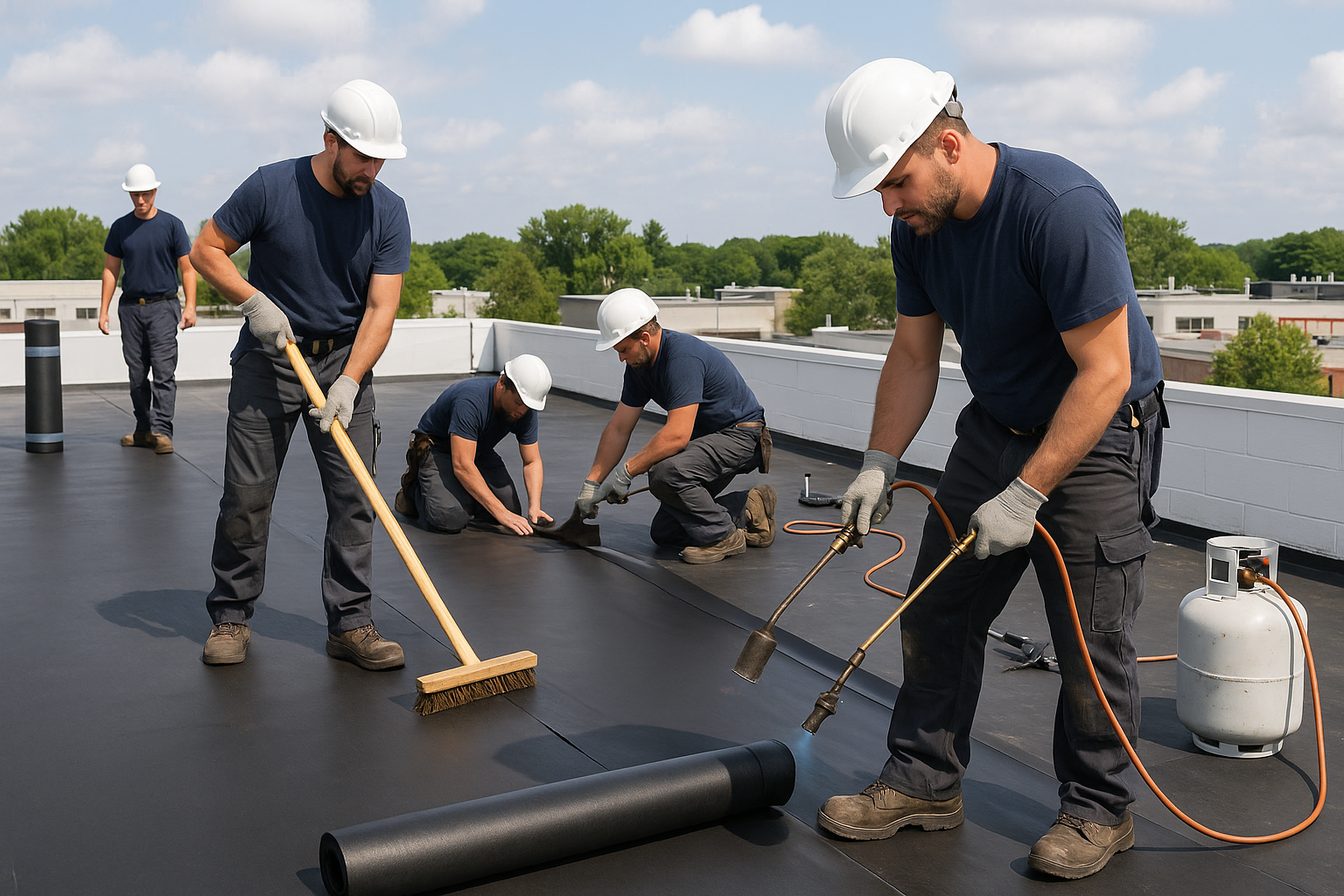
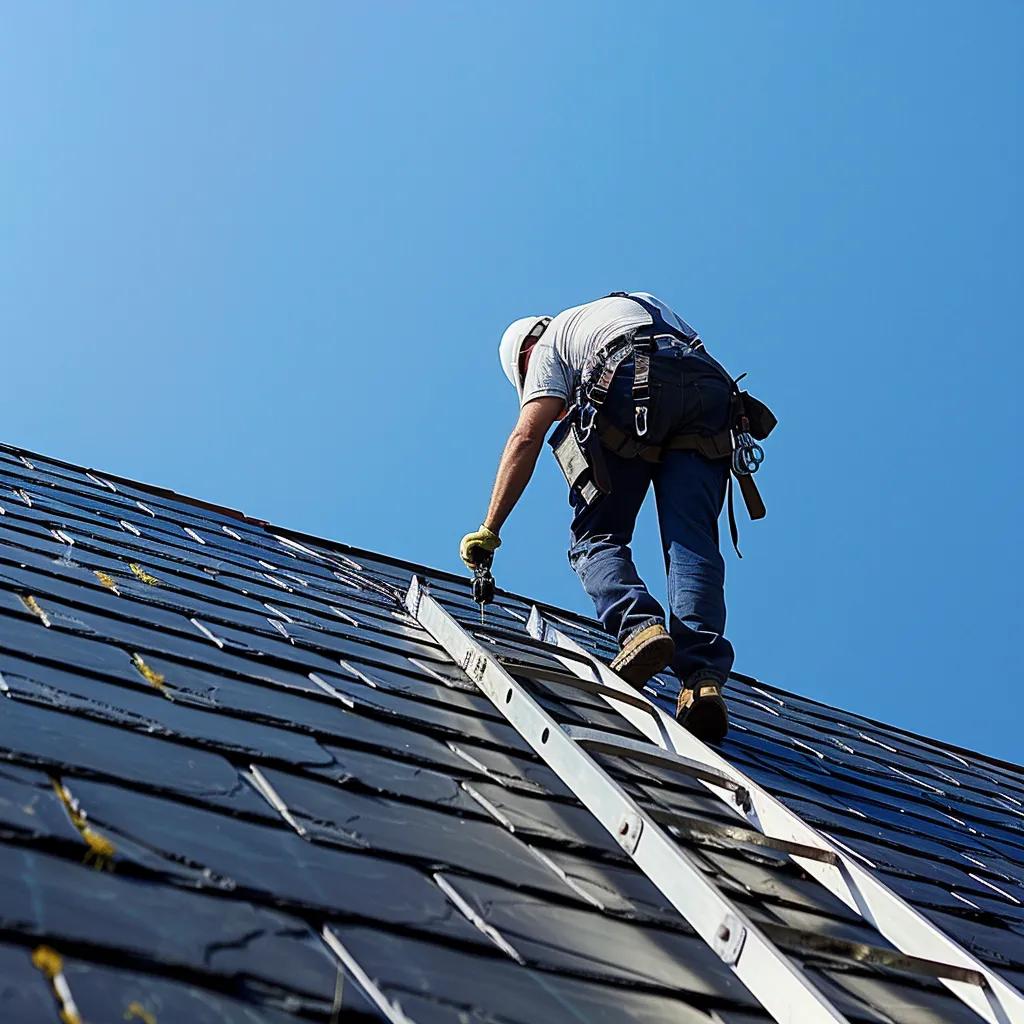
Professional roofing crew installing EPDM rubber membrane on a commercial building rooftop with tools and equipment visible on for your building’s needs.
- Considerations include climate, budget, and durability when selecting a roofing material.
- Popular types include TPO, EPDM, and modified bitumen, each with distinct advantages.
- Regular maintenance and inspections are essential for prolonging the life of your commercial roof.
- Professional installation and repair services ensure optimal performance and longevity.
Popular Commercial Roofing Types
TPO Roofing
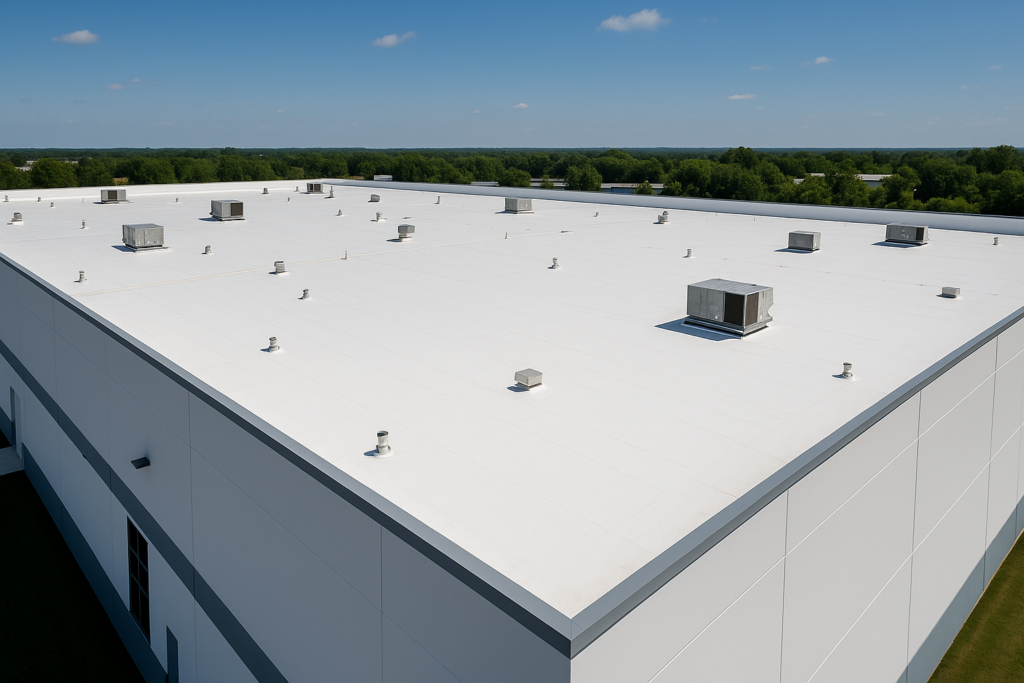
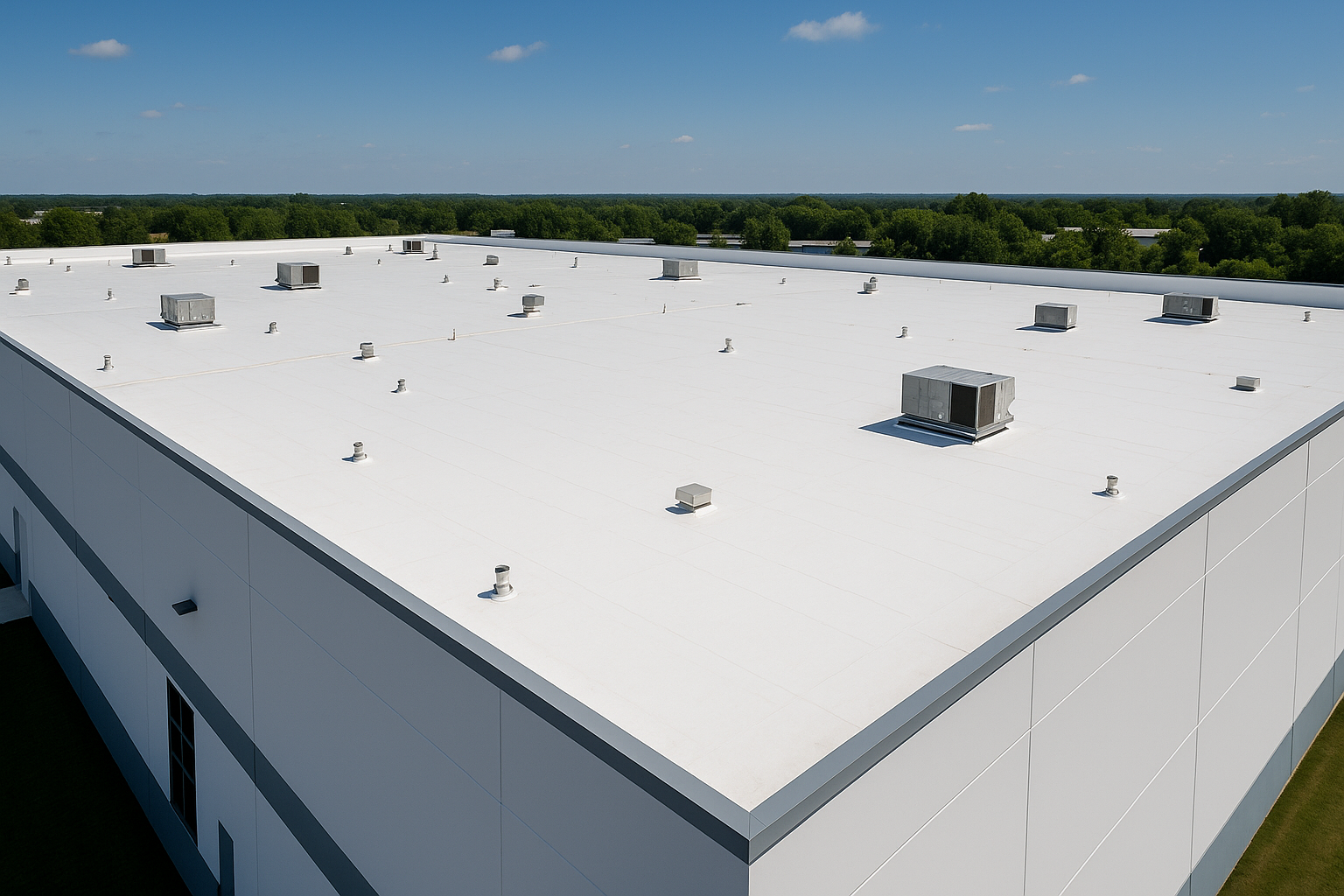
Thermoplastic Olefin (TPO) is a single-ply roofing membrane that has gained popularity due to its energy efficiency and cost-effectiveness. TPO roofs are known for their reflective properties, which can significantly reduce cooling costs by reflecting UV rays. This can be particularly beneficial in Southern California, where summer temperatures often soar.
In terms of cost, TPO roofing generally ranges from $5.50 to $9.50 per square foot, including installation. This makes it a more affordable option compared to other commercial roofing types. Additionally, TPO membranes offer excellent resistance to ozone, algae, and chemical exposure, making them ideal for various commercial applications.
One of the notable advantages of TPO is its durability, which can span over 20 years with proper maintenance. Regular inspections and timely repairs can extend this lifespan even further. For insights on maintaining your roof, consider reading our seasonal roof maintenance checklist.
EPDM Roofing
Ethylene Propylene Diene Monomer (EPDM) is a durable rubber roofing membrane widely used in commercial settings. Known for its long-lasting properties and flexibility, EPDM can withstand extreme weather conditions, making it a reliable choice for businesses in the San Gabriel Valley.
EPDM roofing costs typically range from $6.50 to $11.00 per square foot. Although slightly more expensive than TPO, its resilience and versatility justify the investment, especially in regions prone to varying weather patterns. EPDM is also environmentally friendly, as it can be recycled and repurposed at the end of its life cycle.
One of the key benefits of EPDM roofing is its simple installation process, which can help reduce labor costs. However, it’s essential to work with experienced professionals to avoid common pitfalls. Learn more about the cost factors associated with roof repair and installation.
Modified Bitumen Roofing
Modified bitumen roofing is an asphalt-based system suitable for commercial buildings requiring a robust and weather-resistant solution. It consists of multiple layers that enhance strength and durability, making it an excellent choice for flat and low-slope roofs.
The cost of installing modified bitumen roofing typically ranges from $4.00 to $8.00 per square foot. Its multilayer design offers superior protection against harsh weather conditions, including heavy rain and strong winds, common in Southern California’s climate.
Maintenance is crucial for preserving the integrity of modified bitumen roofs. Regular inspections and timely repairs can prevent minor issues from escalating into significant problems. For affordable repair services, explore our guide on what to expect from roof repair services.
Factors to Consider When Choosing a Commercial Roof
Climate Considerations
When selecting a commercial roofing type, it’s important to consider your local climate. Southern California’s climate, characterized by hot summers and mild winters, requires roofing materials that can withstand intense heat and provide energy efficiency. Reflective options like TPO and cool roofing systems can help reduce energy costs by minimizing heat absorption.
During the rainy season, it’s crucial to have a roof that prevents leaks and withstands moisture. Modified bitumen and EPDM are excellent choices due to their waterproof properties. For more information on roofing materials that prevent leaks, check out our detailed guide.
Additionally, consider wind resistance when selecting a roofing system. Some materials, like metal and modified bitumen, offer superior resistance to strong winds, ensuring your business remains secure even during adverse weather conditions.
Budget and Cost Factors
Understanding the cost implications of different commercial roofing types is essential for making an informed decision. Budget constraints often dictate the choice of materials and installation methods. Below is a table comparing the average costs of popular commercial roofing systems:
| Roofing Type | Cost Range (per sq. ft.) | Average Lifespan |
|---|---|---|
| TPO | $5.50 – $9.50 | 20+ years |
| EPDM | $6.50 – $11.00 | 25 – 30 years |
| Modified Bitumen | $4.00 – $8.00 | 15 – 20 years |
It’s also important to factor in long-term maintenance costs. While some materials may have a higher upfront cost, their durability and low maintenance requirements can lead to cost savings over time. For a detailed breakdown of roof repair costs, visit our comprehensive guide.
Durability and Longevity
The durability of your commercial roof plays a crucial role in ensuring the safety and protection of your building. Materials like EPDM and modified bitumen are renowned for their long-lasting properties, offering peace of mind for business owners.
Regular maintenance is key to prolonging the life of any roofing system. Implementing a maintenance plan that includes inspections, cleaning, and timely repairs can significantly extend your roof’s lifespan. Explore our seasonal maintenance checklist for detailed insights.
Additionally, choosing the right contractor is vital for ensuring quality installation and repairs. Hiring experienced professionals can prevent common issues that arise from poor workmanship, safeguarding your investment for years to come.
Installation and Maintenance Tips
Professional Installation
Professional installation is critical for the performance and longevity of any commercial roofing type. Hiring a reputable contractor with experience in commercial roofing can prevent issues related to poor installation, such as leaks and premature wear.
When selecting a contractor, consider their reputation, certifications, and past work. It’s advisable to obtain multiple quotes to ensure you’re receiving a competitive price. For guidance on selecting a roofing contractor, review our insights on professional services versus DIY.
- Check for proper licensing and insurance.
- Request references from previous clients.
- Ensure the contractor provides a detailed warranty.
Regular Maintenance
Regular maintenance is essential for preserving the integrity and performance of your commercial roof. Implementing a proactive maintenance plan can help identify potential issues before they escalate, saving you time and money in the long run.
Routine inspections should be conducted at least twice a year, particularly after severe weather events. During these inspections, look for signs of damage, such as cracks, blisters, and water pooling. For affordable maintenance solutions, explore our guide on roof repair costs and expectations.
Moreover, keeping your roof clean and free of debris can prevent blockages in drainage systems, reducing the risk of water damage. Taking these steps can significantly extend the life of your roof and enhance its performance.
Emergency Repairs
Despite regular maintenance, emergencies can occur, necessitating prompt repairs. Being prepared for unexpected issues can minimize downtime and prevent further damage to your building.
Establishing a relationship with a trusted roofing contractor ensures quick response times and reliable service during emergencies. For more information on emergency roof repairs, consider reading about materials for fixing roof leaks.
In the event of a roof emergency, it’s important to act swiftly. Temporary measures, such as tarping, can prevent additional damage until professional repairs are completed. Regular communication with your contractor can expedite the repair process and ensure the best outcome for your business.
Frequently Asked Questions
What is the most durable commercial roofing type?
EPDM and modified bitumen are among the most durable commercial roofing types, offering lifespans of 25-30 years and 15-20 years, respectively, with proper maintenance. Their resilience to extreme weather conditions makes them ideal for long-term applications.
How often should commercial roofs be inspected?
Commercial roofs should be inspected at least twice a year, preferably in the spring and fall. Additional inspections are recommended after severe weather events, such as heavy rain or strong winds, to identify and address any potential damage.
What factors affect the cost of commercial roofing?
The cost of commercial roofing is influenced by several factors, including the type of material, roof size, installation complexity, and local labor rates. Additional costs may arise from necessary repairs or upgrades to existing structures.
Can I install a commercial roof myself?
While DIY installation may seem cost-effective, it is not recommended due to the complexity and precision required for commercial roofing. Hiring a professional ensures proper installation, maximizes lifespan, and reduces the risk of costly mistakes.
Conclusion
Understanding the various commercial roofing types is crucial for selecting the best option for your business. By considering factors such as climate, budget, and durability, you can choose a roofing system that meets your needs and provides long-term protection. Regular maintenance and professional installation are key to ensuring the longevity and performance of your commercial roof. For more detailed information on commercial roofing options, visit our commercial roofing page.