Discover the Best Energy-Saving Roofing Materials Today
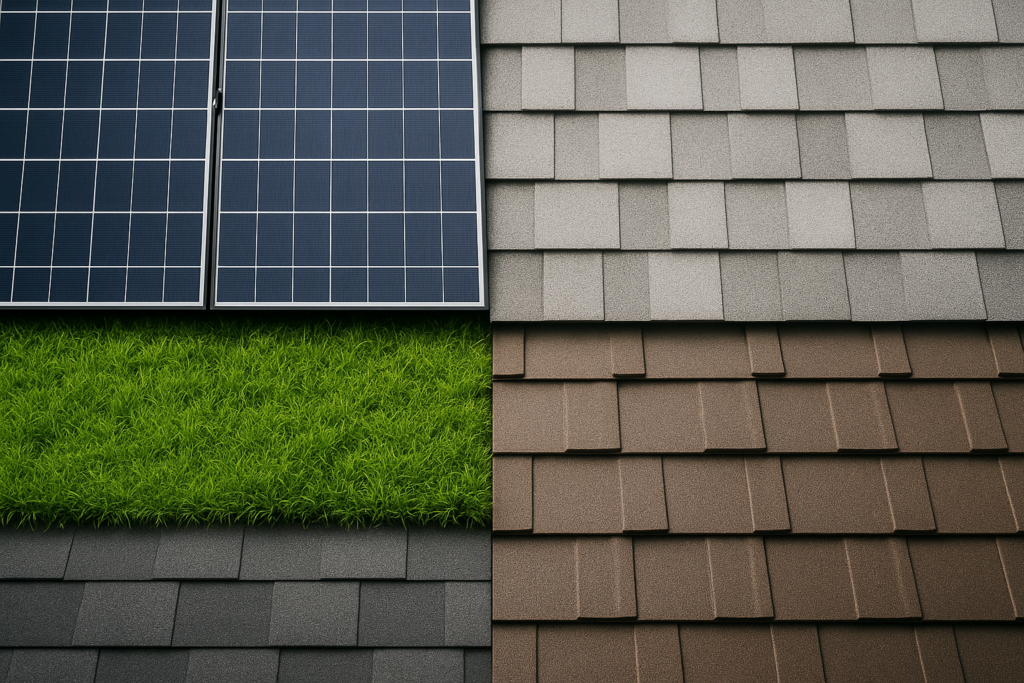
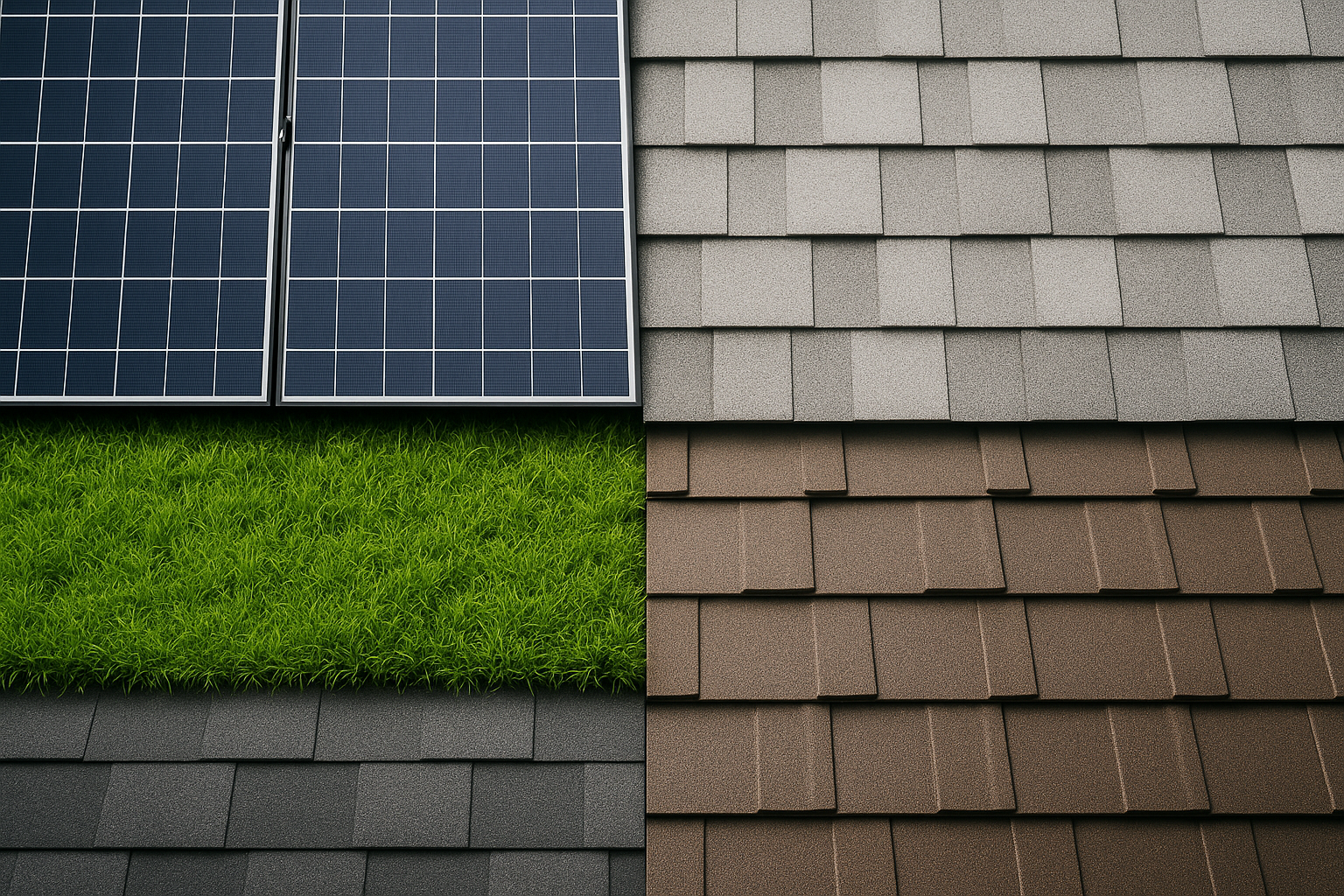
Choosing the right roofing material is crucial for improving your home’s energy efficiency, especially in the sunny climate of Southern California. With so many options available, identifying the best energy-saving roofing materials can significantly reduce your energy bills while increasing your home’s comfort. In this guide, we’ll explore top choices that not only enhance energy efficiency but also offer durability and aesthetic appeal.
Key Takeaways
- Different roofing materials offer varying levels of energy efficiency suited for different climates.
- Materials like metal, tile, and cool roofs are popular choices for energy savings in California.
- Consulting with a professional roofing contractor can help determine the best option for your specific needs.
- Investing in energy-efficient roofing can lead to significant long-term savings on energy bills.
- Comparing the pros and cons of each material is crucial for making an informed decision.
Types of Energy-Saving Roofing Materials
Metal Roofing
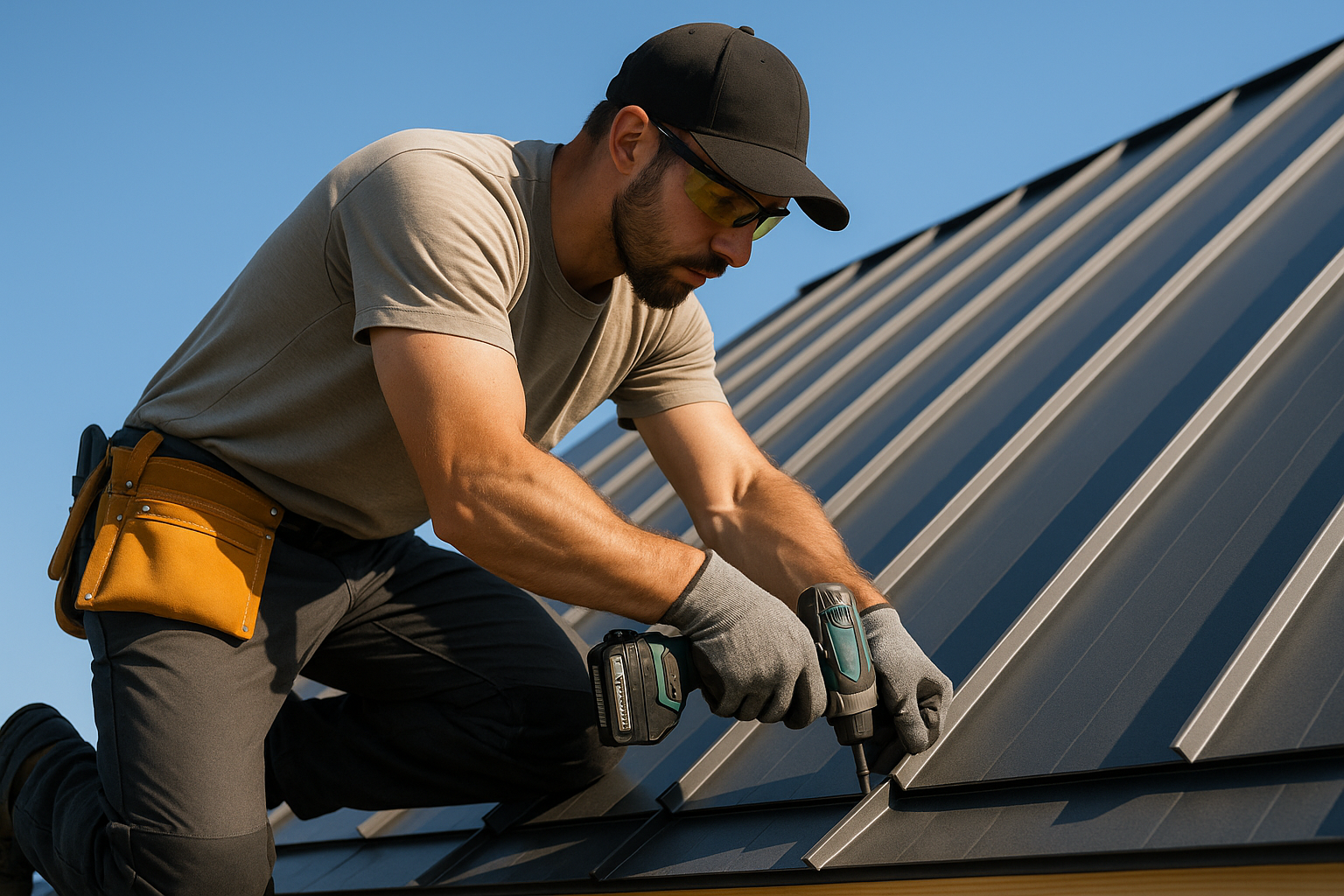
Metal roofing is renowned for its durability and energy efficiency. By reflecting solar radiant heat, it can reduce cooling costs by 10-25%. This makes it an excellent choice for homeowners in the San Gabriel Valley, where sunny, hot days are common. Additionally, metal roofs can be made from recycled materials, further enhancing their environmental benefits. Learn more about the best metal roofing materials to understand their full potential.
Metal roofs are available in a variety of styles, including standing seam, corrugated, and metal shingles. These options allow homeowners to choose a look that complements their home’s architecture while still benefiting from the reflective properties of metal. To maximize energy savings, consider selecting a light-colored or reflective coating.
Cool Roofs
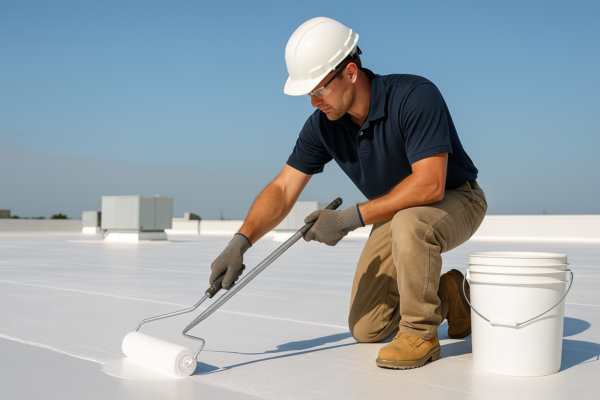
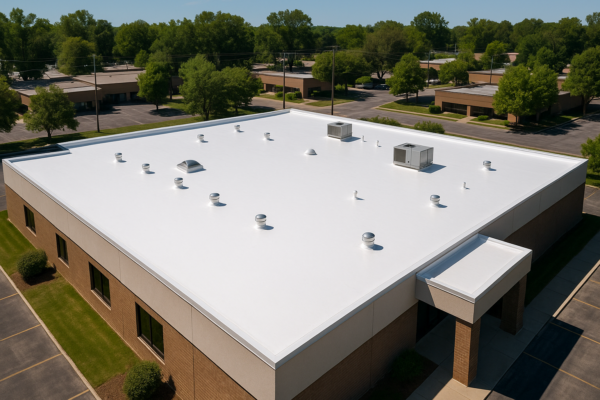
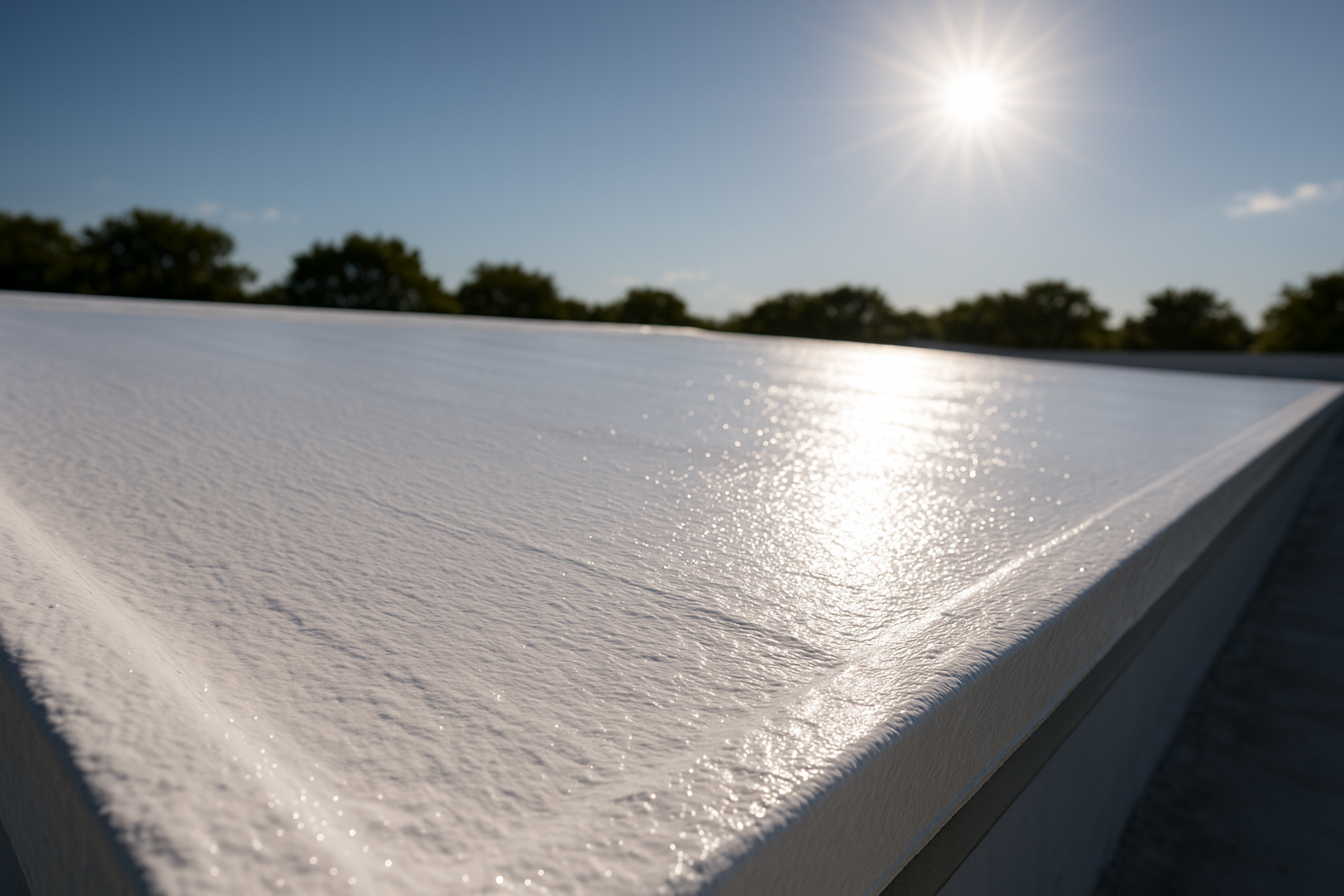
Cool roofs are designed to reflect more sunlight and absorb less heat than a standard roof. These roofs can be made from a variety of materials, including reflective shingles, tiles, and coatings. The key to their effectiveness lies in their highly reflective surface, which can lower the roof temperature by up to 50°F, thus reducing the need for air conditioning.
For homeowners interested in energy-efficient flat roofing options, cool roofs are an excellent choice. They not only help keep your home cooler but also extend the life of the roofing material by reducing thermal shock and UV damage.
Tile Roofing
Tile roofing is another popular option for those seeking energy-saving roofing materials. Clay and concrete tiles provide excellent thermal insulation, which helps to keep homes cooler in the summer and warmer in the winter. This ability to regulate indoor temperatures makes tile roofing a smart choice for energy savings.
While the initial cost of tile roofing can be higher than other materials, its longevity and energy efficiency can lead to long-term savings. Additionally, tiles are available in a range of colors and styles, allowing for customization to suit any aesthetic preference.
Comparing Energy-Saving Roofing Materials
Cost and Lifespan
Understanding the cost and lifespan of various roofing materials is essential for making an informed decision. Here’s a comparison of the most popular energy-saving roofing materials:
| Material | Average Cost (per sq. ft.) | Average Lifespan |
|---|---|---|
| Metal | $7 – $13 | 40-70 years |
| Cool Roof | $5 – $10 | 20-50 years |
| Tile | $8 – $15 | 50-100 years |
Pros and Cons
Each material has its own advantages and disadvantages. Here’s a breakdown to help you decide which energy-saving roofing materials best fit your needs:
- Metal Roofing: Pros include durability, low maintenance, and recyclability. However, it can be noisy during rain and more expensive upfront.
- Cool Roofs: These offer excellent temperature regulation and energy savings. The downside is that they may require regular cleaning to maintain reflectivity.
- Tile Roofing: Provides great insulation and a long lifespan, but the weight requires a strong supporting structure, which can increase installation costs.
Consulting with professional roofing contractors near you can provide further insights into which material is best for your specific situation.
Environmental Impact
The environmental impact of roofing materials is an important consideration for many homeowners. Metal roofs, for example, are often made from recycled materials and can be fully recycled at the end of their life. This makes them a top choice for environmentally conscious consumers.
Similarly, cool roofs contribute to reducing the urban heat island effect, which can decrease energy demands and improve air quality in urban areas. Tile roofing, while not inherently made from recycled materials, offers longevity that reduces waste over time. For a more detailed look at sustainable options, explore highly durable roofing materials.
Frequently Asked Questions
How do energy-saving roofing materials reduce energy costs?
Energy-saving roofing materials reduce energy costs by reflecting more sunlight and absorbing less heat, thus lowering your home’s cooling needs. This can lead to a reduction in air conditioning use and significant savings on energy bills.
Are energy-efficient roofs more expensive?
While the initial cost of energy-efficient roofs can be higher, the long-term savings on energy bills and the extended lifespan of these materials often offset the higher upfront investment. Additionally, some materials like metal and cool roofs offer environmental benefits that can be financially advantageous over time.
Can I install energy-saving roofing materials myself?
Installing energy-saving roofing materials is a complex task that is best left to professionals. Incorrect installation can lead to inefficiencies and other problems. Hiring local commercial roofing repair experts ensures that the job is done correctly and safely.
What maintenance is required for energy-efficient roofs?
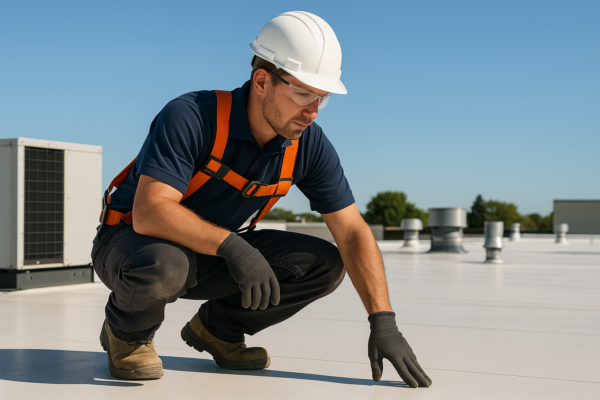
Maintenance varies depending on the material. Metal roofs may require occasional repainting or sealing, while cool roofs need to be cleaned to maintain reflectivity. Regular inspections can help identify potential issues early, as discussed in preventive maintenance tips.
Conclusion
Choosing the best energy-saving roofing materials involves evaluating various factors, including cost, lifespan, environmental impact, and aesthetics. Metal, cool, and tile roofs each offer unique benefits that can enhance your home’s energy efficiency. By consulting with professional roofing contractors, you can ensure that you select the best material for your specific needs and enjoy long-term savings and protection. For more detailed guidance, visit our commercial roofing services page to explore your options further.