Maximize Your Savings With Commercial Roofing Energy Tax Credits
In today’s economy, businesses are constantly seeking ways to reduce costs and improve energy efficiency. One of the most effective methods is through the use of **Commercial Roofing Energy Tax Credits**. These credits not only help lower the initial investment in energy-efficient roofing systems but also contribute to long-term savings on energy bills. Understanding how to leverage these tax benefits can significantly impact your business’s financial health.
Key Takeaways
- **Commercial Roofing Energy Tax Credits** can offset initial installation costs of energy-efficient roofs.
- Understanding eligibility and application processes is crucial for maximizing savings.
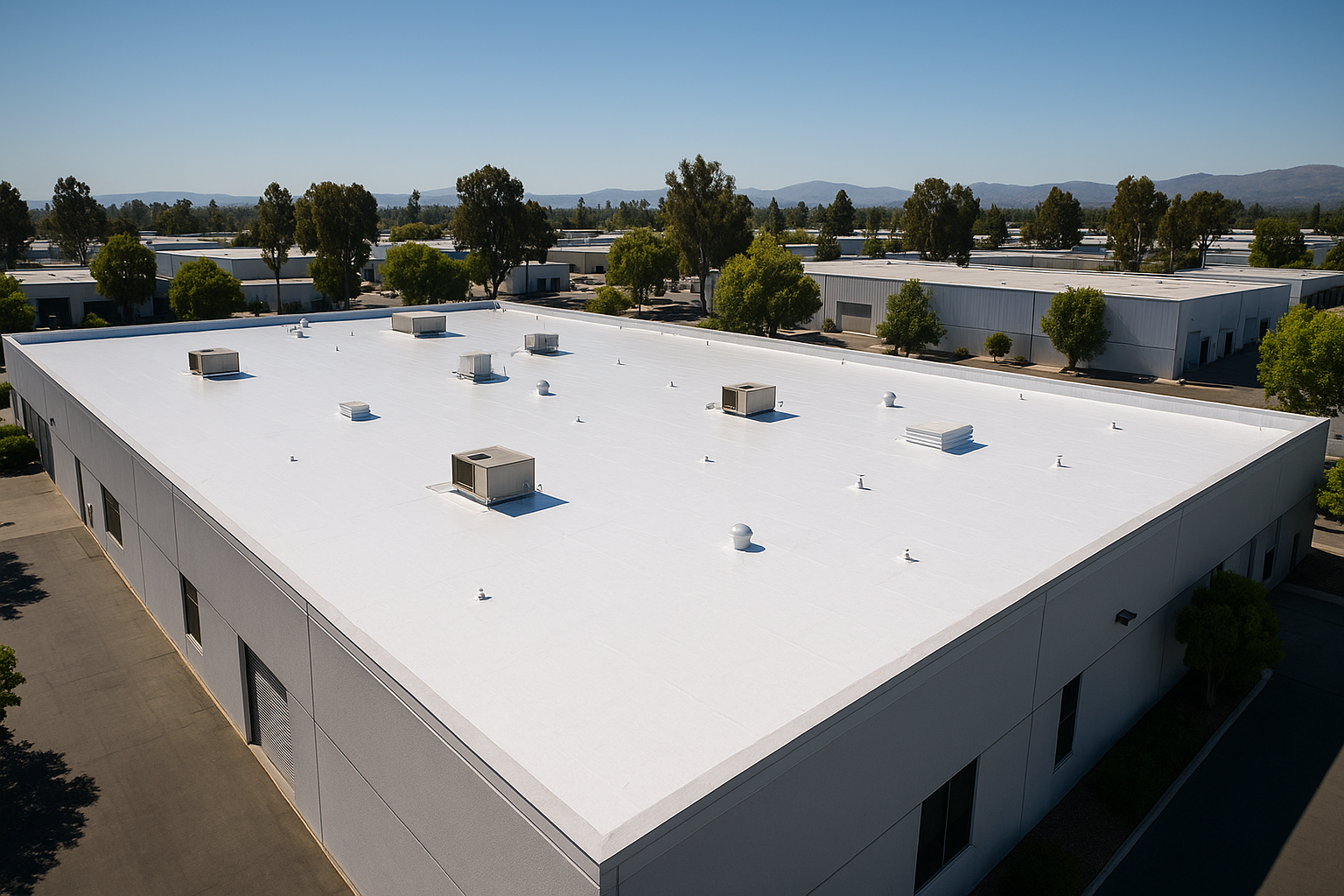
- Energy-efficient roofing options, such as reflective coatings, can reduce energy consumption by 15-30%.
- Regular maintenance of commercial roofs ensures continued energy efficiency and prolongs lifespan.
- Consulting with professionals can help navigate tax credit applications and optimize roofing solutions.
Understanding Commercial Roofing Energy Tax Credits
Eligibility Requirements for Tax Credits
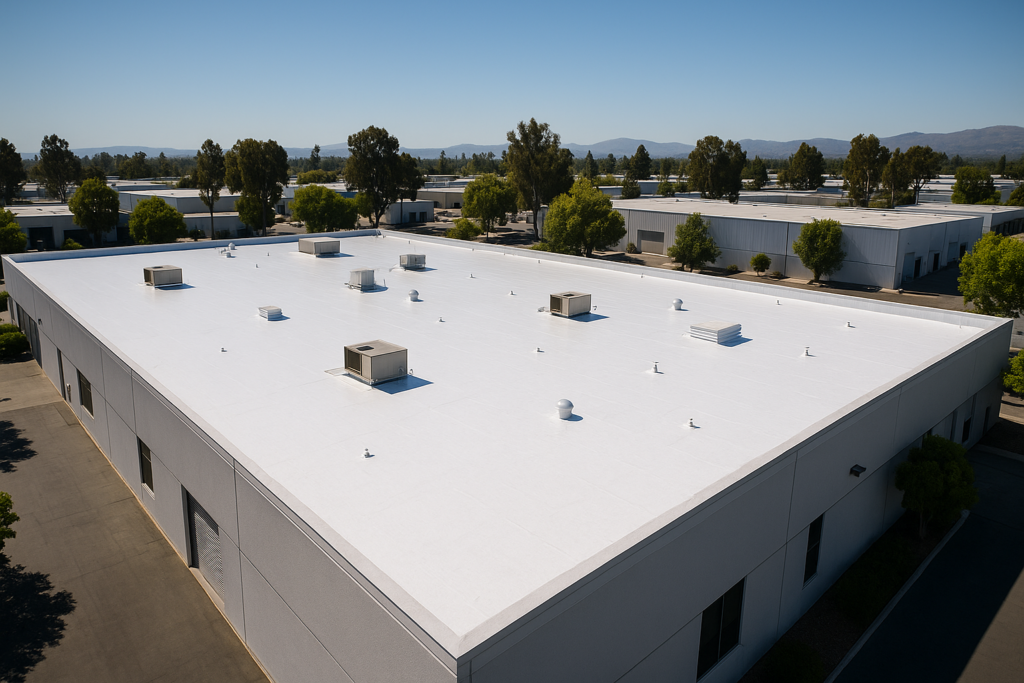
To qualify for **Commercial Roofing Energy Tax Credits**, your roofing project must meet specific energy efficiency standards set by federal or state authorities. Typically, these standards require roofs to have reflective properties that reduce heat absorption. In California, where sunlight is abundant, adopting energy-efficient solutions is not only beneficial but essential. Energy-efficient roofing options, such as those discussed in our Energy-Efficient Commercial Roofing Options article, are prime candidates for these tax incentives.
Businesses must also ensure that their projects are completed by certified contractors. This ensures that the installation meets all necessary criteria for tax credits and adheres to local building codes. For further guidance on choosing the right contractor, our Local Commercial Roofing Repair Experts article provides valuable insights.

Application Process for Tax Credits
The process of applying for **Commercial Roofing Energy Tax Credits** involves several steps. Initially, you need to document the energy-efficient features of your new roof. This includes obtaining certification from your contractor confirming the roofing materials and installation meet the energy efficiency criteria. Documentation is critical as it serves as evidence when filing your taxes.
After completing the installation and collecting all necessary documentation, you must fill out the IRS Form 5695 if applying for federal tax credits. State-specific forms may also be required depending on your location. It’s advisable to consult with a tax professional to ensure all paperwork is accurately submitted, avoiding any potential delays or rejections in claiming your credits.
Financial Benefits of Energy-Efficient Roofing
Investing in energy-efficient roofing solutions not only qualifies you for **Commercial Roofing Energy Tax Credits** but also provides significant financial benefits. Reflective roofing materials can decrease your building’s energy usage by up to 30%, translating into substantial savings on your energy bills. The reduced heat absorption means less reliance on air conditioning, particularly during California’s hot summers.
Consider a comparison of potential energy savings with different roofing materials:
| Roofing Material | Estimated Energy Savings | Initial Cost |
|---|---|---|
| Reflective Coatings | 15-30% | $$ |
| Cool Roof Shingles | 10-25% | $$$ |
| Metal Roofing | 10-40% | $$$$ |
For more detailed comparisons, our article on Energy-Efficient Flat Roofing Options provides comprehensive insights into various materials and their benefits.
Choosing the Right Energy-Efficient Roofing Solution
Comparing Roofing Materials
When selecting a roofing material, it’s crucial to balance initial costs with long-term savings. Options like reflective coatings are more affordable upfront but may offer slightly lower energy savings compared to metal roofing, which, while more expensive, offers superior heat reflection and durability. Understanding these trade-offs can aid in making an informed decision.
For instance, metal roofing is known for its durability and energy efficiency, making it a popular choice for many businesses. If you’re considering this option, our article on the Durability of Metal Roofing for Commercial Buildings offers detailed insights.
Environmental Impact of Roofing Choices
Beyond financial savings, choosing energy-efficient roofing systems also contributes to environmental sustainability. These roofing solutions reduce the urban heat island effect, lower greenhouse gas emissions, and promote eco-friendly practices. By investing in eco-conscious roofing, businesses can also enhance their brand image by showcasing their commitment to sustainability.
Reflective roofs, for example, help mitigate the heat island effect prevalent in urban areas, especially in sun-drenched regions like Southern California. This contributes to lower overall temperatures and reduced energy demand across the grid.
Practical Tips for Selecting Energy-Efficient Roofing
- Evaluate the local climate and select roofing materials that offer optimal performance under these conditions.
- Consider the longevity and maintenance requirements of each roofing type to ensure cost-effectiveness.
- Consult with roofing professionals to assess the compatibility of different materials with your existing building structure.
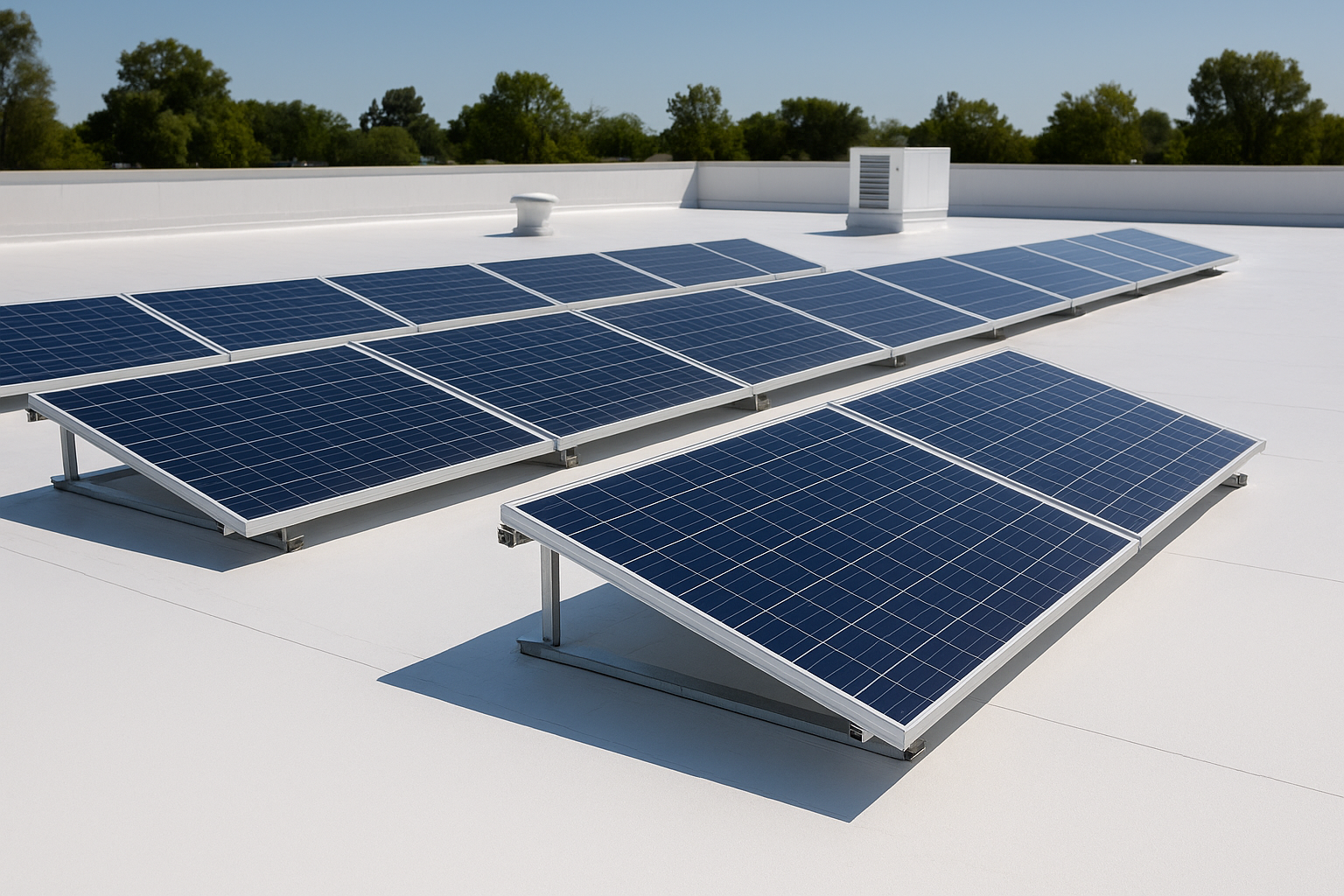
- Explore options that offer additional benefits, such as solar panel integration.
Maintaining Energy Efficiency in Commercial Roofing
Regular Maintenance and Inspection
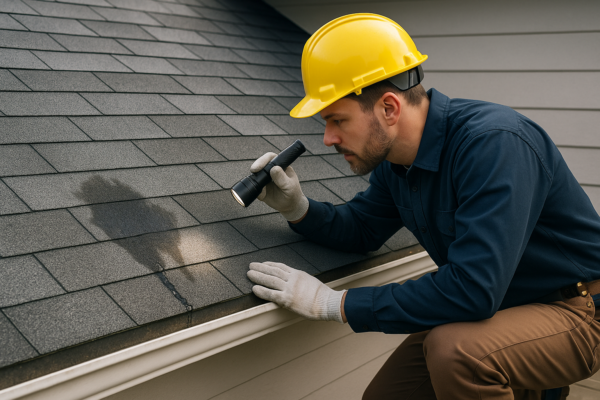
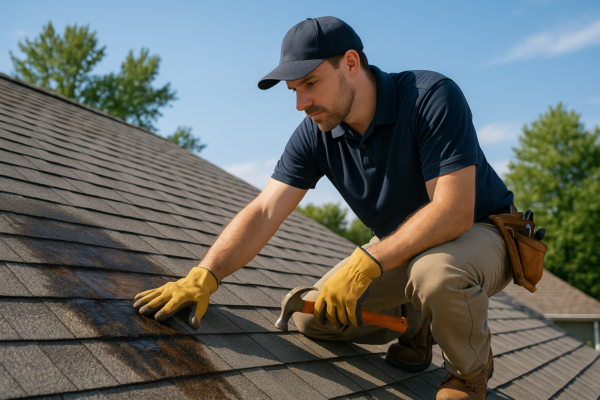
To ensure sustained energy efficiency and prolong the lifespan of your commercial roof, regular maintenance is essential. This includes periodic inspections to identify potential issues such as leaks or insulation degradation. Proactive measures can prevent costly repairs and maintain the energy-saving benefits of your roofing system.
Our comprehensive guide on Preventive Maintenance for Commercial Roofing offers essential tips for keeping your roof in optimal condition.
Addressing Common Roofing Issues
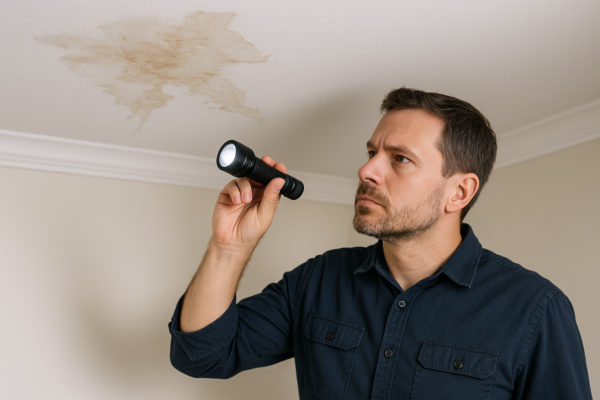
Common issues such as leaks or damaged insulation can significantly impair the energy efficiency of a commercial roof. Promptly addressing these problems is crucial to maintaining the integrity of your roofing system. Engaging professional services for roof leak repair can prevent further damage and restore the energy efficiency of your roof.
Additionally, regular cleaning of the roof surface to remove debris and algae can help preserve its reflective properties, ensuring continued energy savings.
Long-Term Benefits of Energy-Efficient Roofs
Investing in energy-efficient roofs offers long-term benefits that extend beyond immediate financial savings. Enhanced durability and reduced maintenance needs contribute to lower operational costs over the roof’s lifespan. Moreover, as energy prices rise, the savings from reduced energy consumption become increasingly significant.
To explore the various benefits of energy-efficient roofing materials, our article on the Best Energy-Saving Roofing Materials provides valuable insights.
Frequently Asked Questions
What types of roofs qualify for Commercial Roofing Energy Tax Credits?
Roofs that meet energy efficiency standards, typically those with reflective surfaces that reduce heat absorption, may qualify for tax credits. This includes materials such as cool roof shingles, reflective coatings, and certain types of metal roofing.
How much can I save with these tax credits?
The savings from **Commercial Roofing Energy Tax Credits** vary depending on the size of the project and specific tax incentives available. On average, businesses can save 10-30% of the total installation cost. Additionally, energy savings can significantly reduce monthly utility bills.
Are there state-specific incentives available in California?
Yes, California offers additional incentives for energy-efficient commercial roofing projects. These state-specific credits can be combined with federal tax credits to maximize savings. Consulting with a local expert can provide guidance on available options.
Can existing roofs be retrofitted to qualify for tax credits?
In some cases, existing roofs can be upgraded with reflective coatings or additional insulation to meet energy efficiency standards. This can qualify them for tax credits, though it’s essential to verify eligibility requirements before proceeding with such retrofits.
Conclusion
Maximizing your savings with **Commercial Roofing Energy Tax Credits** requires a strategic approach to selecting, installing, and maintaining energy-efficient roofing solutions. By understanding the eligibility requirements, application processes, and long-term benefits, businesses can make informed decisions that enhance both their financial and environmental performance. Whether through reflective coatings, metal roofing, or other energy-efficient options, the potential for significant cost savings and environmental impact is profound. For further exploration of commercial roofing solutions, visit our Commercial Roofing Services page for expert advice and resources.