
Mastering Commercial Roof Maintenance Essentials
Maintaining a commercial roof is crucial for ensuring the longevity and efficiency of your building. Whether you own a flat, metal, or another type of roof, implementing regular **commercial roof maintenance tips** can prevent costly repairs and extend the life of your roof. Given the unique climate of Southern California, with its sunny weather and occasional heavy rain, understanding the specific needs of your roof is essential.

Key Takeaways
- Regular inspections are vital to identify and address issues before they become major problems.
- Seasonal changes in Southern California impact roofing materials differently, necessitating tailored maintenance strategies.
- Choosing the right roofing material can significantly affect maintenance frequency and costs.
- Implementing preventative measures can extend your roof’s lifespan and improve energy efficiency.
- Professional services often offer the best solutions for complex roofing issues, ensuring safety and quality.
Understanding Your Roof’s Unique Needs
Identifying Your Commercial Roof Type
Before diving into **commercial roof maintenance tips**, it’s important to understand the type of roof you have. Different materials and structures require tailored approaches. Common commercial options include flat, metal, and TPO roofs. Each has its distinct advantages and challenges.
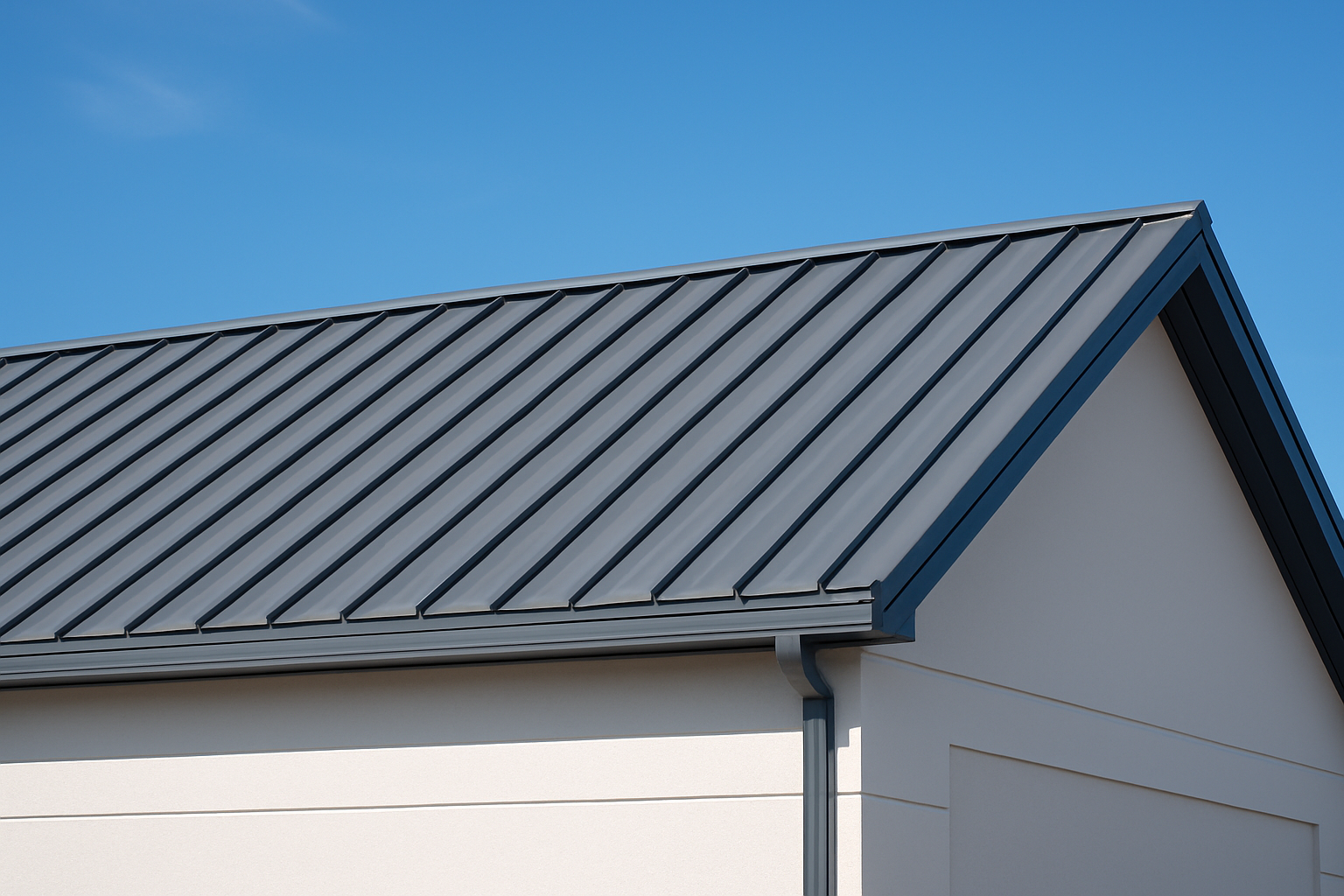
Flat roofs, for example, are popular for their cost-effectiveness and ease of installation. However, they require consistent maintenance to ensure drainage systems function properly, especially during Southern California’s rainy season. On the other hand, metal roofs offer durability and energy efficiency but may require more attention to prevent rust and corrosion.
Understanding these distinctions is critical. For a deeper exploration of different commercial roofing types, consider reading our detailed guide.
Weather Considerations in Southern California
The climate in Southern California plays a significant role in how you should approach commercial roof maintenance. The sunny weather is generally advantageous, reducing moisture-related issues that can plague roofs in more humid areas. However, the occasional heavy rains require robust drainage systems, especially for flat roofs.
Temperature fluctuations can also impact roofing materials. Metal roofs, for instance, expand and contract with temperature changes, which can lead to fastening issues if not regularly checked. To combat these challenges, regular inspections can be invaluable. Learn more about seasonal roof maintenance tips that are particularly applicable to our region.
Cost Implications of Roof Maintenance
Understanding the financial aspect of **commercial roof maintenance tips** is essential for any business owner. While regular maintenance might seem like an unnecessary expense, it can actually save money in the long run by preventing minor issues from becoming major repairs. Here’s a cost comparison for different maintenance activities:
| Maintenance Activity | Estimated Cost | Potential Savings |
|---|---|---|
| Regular Inspections | $200 – $500 per inspection | Can prevent repairs costing $1,000+ |
| Cleaning and Debris Removal | $150 – $400 | Prevents water damage and costly repairs |
| Sealant Reapplication | $500 – $1,200 | Extends roof lifespan, saving thousands |
| Drainage System Maintenance | $300 – $700 | Avoids water pooling and structural damage |
Implementing Effective Maintenance Strategies
Regular Inspections and Their Importance
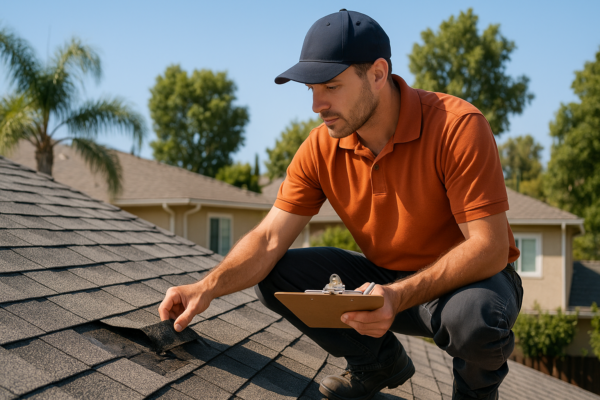
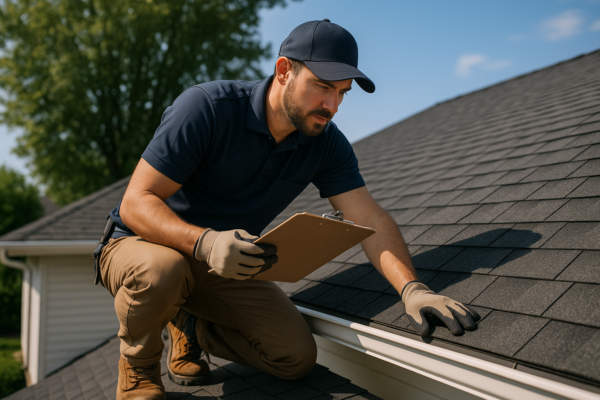
Routine inspections are a cornerstone of any **commercial roof maintenance tips** strategy. They allow you to identify early signs of wear and tear, such as cracks, leaks, or damaged flashing. Inspections should be conducted at least twice a year, ideally before and after the rainy season.
During inspections, focus on high-risk areas, including roof edges, seams, and any places where water might pool. In addition to seasonal inspections, after severe weather events, it’s wise to have a quick check-up. For more insights, our article on roof leak repair offers practical advice on what to look for during these inspections.
Proactive Maintenance Practices
Proactive maintenance is about taking preventative measures to avoid future issues. This includes keeping the roof clean of debris, which can trap moisture and lead to mold growth or structural damage. Regularly check and clear gutters and downspouts to ensure proper water flow.
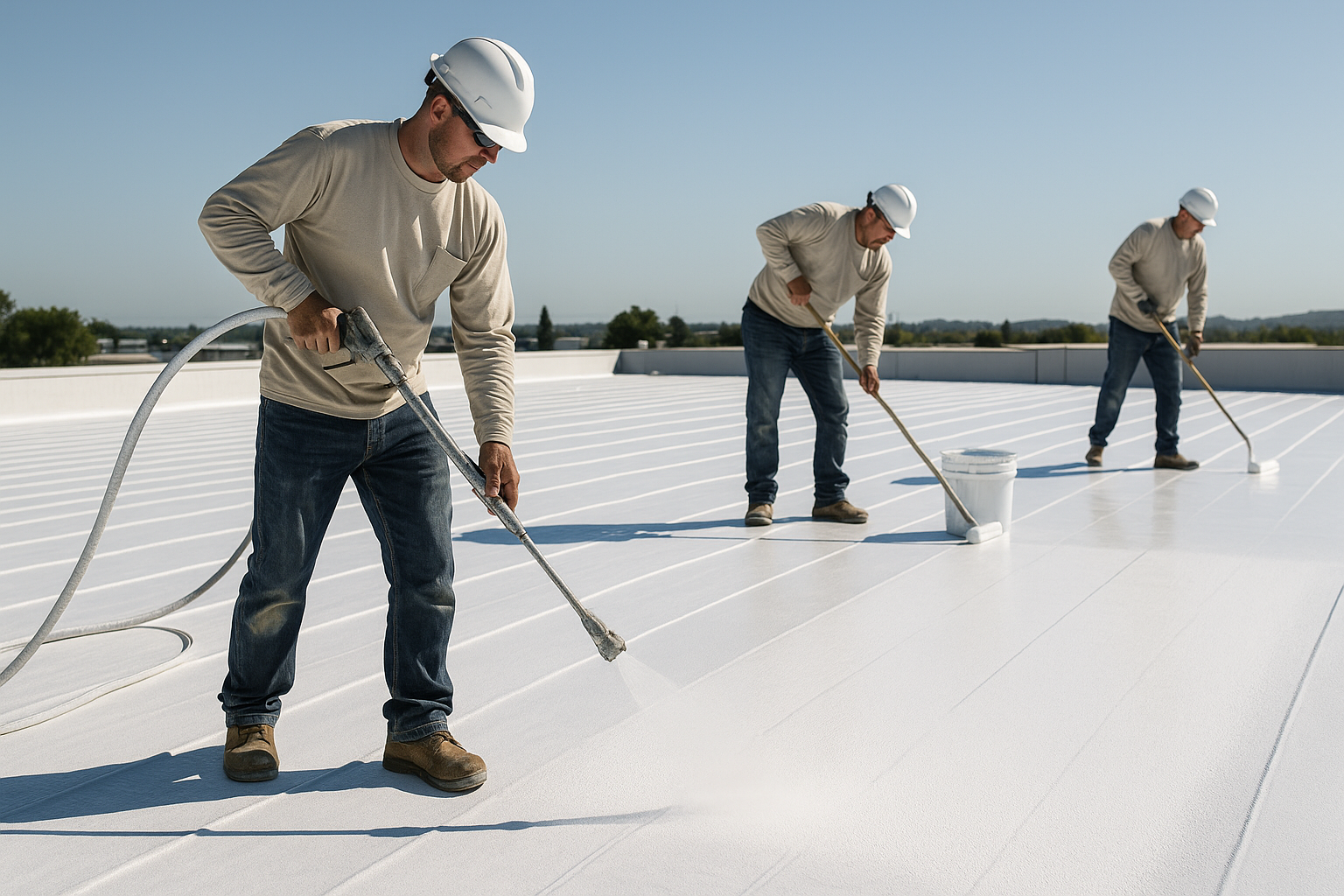
Another proactive measure is the application of roof coatings, which protect the surface from UV damage and water infiltration. These coatings can extend the life of your roof by several years. To explore more about protective strategies, check out our insights on flat roof maintenance for longevity.
Leveraging Professional Maintenance Services
While some maintenance tasks can be handled in-house, there are benefits to hiring professional roofing services. They bring expertise and equipment that can handle complex issues, ensuring safety and quality. Professionals can provide comprehensive assessments and tailor maintenance plans specific to your roof type.
Consider the advantages of professional services, especially for tasks like sealant application or extensive repair work. For a complete overview of services, visit our page on top commercial roof maintenance services.
Comparing Roofing Materials and Their Maintenance Needs
Flat Roofs vs. Metal Roofs
When choosing roofing materials, consider the maintenance requirements of each. Flat roofs, common in commercial buildings, are typically easier to maintain due to their accessibility. However, they require vigilant attention to drainage and waterproofing.
Metal roofs, while more durable, need regular inspections to prevent corrosion. They can also suffer from expansion and contraction due to temperature changes, which can loosen fasteners or create gaps. For more on choosing the right material, our guide on flat roofing options is a valuable resource.
Impact of Material Choice on Energy Efficiency
Your choice of roofing material can significantly impact your building’s energy efficiency. Metal roofs, for example, are excellent at reflecting sunlight, which can reduce cooling costs in the hot California sun. This energy efficiency can be enhanced with reflective coatings.
Flat roofs can also offer energy benefits, especially when equipped with green roofing systems or solar panels. These systems can offset energy costs and provide additional insulation. For a deeper dive into energy-efficient options, explore the benefits of low maintenance metal roofing.
Long-term Cost Considerations
While initial costs can be a deciding factor, long-term maintenance and energy savings should also play a significant role in your decision. Metal roofs, while often more expensive upfront, can lead to significant savings over time due to lower maintenance needs and energy efficiency.
Flat roofs, though less costly initially, may incur more frequent maintenance expenses. Balancing these factors is essential for making an informed decision that aligns with your budget and sustainability goals. For comprehensive solutions, consider reviewing our article on best roof repair practices for commercial buildings.
Frequently Asked Questions
How often should I schedule commercial roof inspections?
It is recommended to schedule inspections at least twice a year, ideally in the spring and fall. Additionally, inspect your roof after major weather events to catch any damage early.
What are the most common commercial roof maintenance issues?
Some common issues include leaks, ponding water, punctures, and membrane shrinkage. Regular maintenance can help prevent these from escalating into major problems.
Can I perform roof maintenance myself, or should I hire a professional?
While basic tasks like debris removal can be done in-house, hiring a professional is advisable for inspections and repair work to ensure safety and quality. Professionals can also offer a more comprehensive maintenance plan.
What impact does climate have on commercial roof maintenance?
The Southern California climate, with its sun and occasional heavy rains, can affect roofing materials differently. Regular maintenance helps manage these environmental impacts and extends the roof’s lifespan.
Conclusion
Effective **commercial roof maintenance tips** are essential for prolonging the life of your building’s roof and ensuring its efficiency. By understanding your roof’s specific needs, considering climate impacts, and implementing proactive maintenance strategies, you can prevent costly repairs and enhance your roof’s performance. Whether you choose to handle some tasks yourself or hire professional services, maintaining your commercial roof is a wise investment for the future stability of your property. For more detailed guidance, visit our page on commercial roofing solutions.