
What Are the Most Durable Roof Repair Options and Long-Lasting Materials?
The durability of roof repairs is critical to protecting your property, ensuring safety, and reducing long-term maintenance costs. Homeowners and business property owners alike are increasingly concerned with how repairs can withstand severe weather, water damage, and everyday wear and tear. Roof repair options vary widely from metal patching to modified bitumen application, including solutions offered by roof titan, each offering unique strengths in terms of longevity, cost efficiency, and environmental impact. With rising energy costs and environmental concerns such as a carbon footprint and sustainability, the selection of repair materials now goes beyond simple cost considerations. Professional roofing companies and experienced roofers emphasize that the combination of high-quality materials—such as copper, tile, certainteed, and synthetic rubber—and precise installation techniques play a significant role in the life expectancy and warranty of roof repair work. For more information and expert advice, please contact-us.
A detailed analysis of durable roof repair methods is essential for understanding both the upfront investment and the long-term value in protecting against issues like roof leak repair, water damage, debris accumulation, and corrosion from elements like hail and extreme weather. This article discusses the characteristics of long-lasting roof fixes, reviews top contenders for durable roof repair materials, compares repair material strengths, examines factors that impact longevity, and offers a cost analysis that balances initial investment with lifetime performance. The following sections provide insight into advanced technologies that extend repair life, environmental considerations, professional execution, and maintenance tips to ensure your roof remains resilient for years to come.
Defining Durability in Roof Repairs

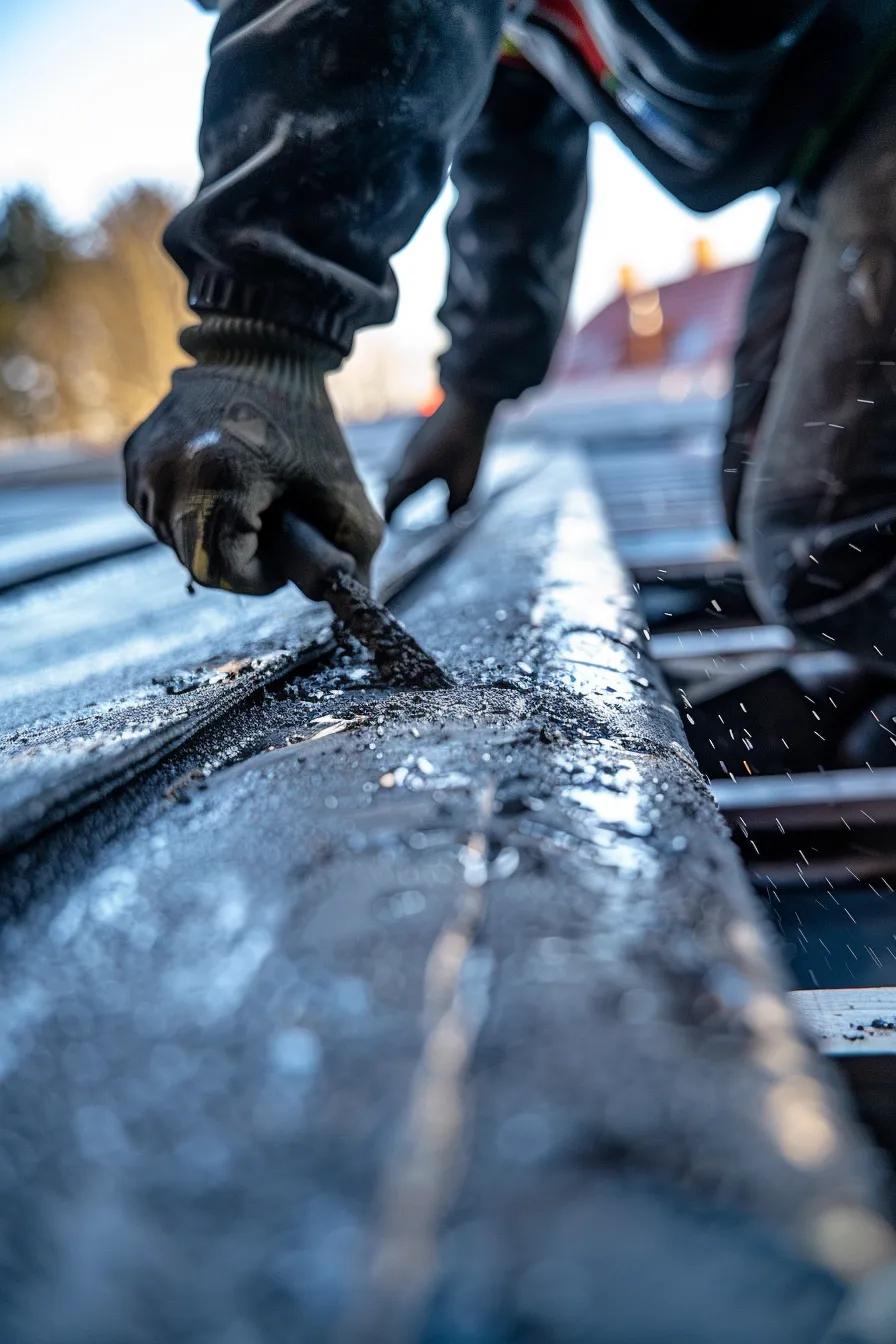
Durability in roof repairs is defined by the ability of the repaired section to withstand environmental stresses, resist deterioration, and maintain structural integrity over an extended period. The key characteristics of a long-lasting roof fix include resistance to corrosive elements such as water damage, UV exposure, and temperature fluctuations. A durable repair not only prevents immediate issues such as leaks or debris accumulation but also minimizes long-term problems like mold growth, insect infestation, and structural decay.
Proper durability is measured by expected lifespan benchmarks that can range from 10 years for basic repairs using conventional materials to 30+ years for repairs done with premium materials such as copper or high-performance synthetic membranes. The repair lifespan is further influenced by climate; for example, repairs in high-hail and storm-prone areas require materials with enhanced impact resistance and a higher tolerance for rapid temperature changes, while areas with heavy rainfall may prioritize waterproofing features.
Proper installation significantly enhances durability. Even the most robust repair material can fail if not installed correctly. This involves adhering to manufacturer specifications, employing professional roofers with extensive experience, and using appropriate fasteners and seals to ensure the repair is integrated with the underlying roof deck. In practice, durability is a synthesis of high-quality materials and superior workmanship that together ensure the repair stands up to normal wear while offering protection against severe weather events and other external pressures.
Key Takeaways: – Durability entails extended lifespan and resistance to environmental factors. – Quality of materials and proper installation are critical for long-lasting repairs. – Climate considerations help determine the best repair materials for a region.
Top Contenders for Durable Roof Repair Materials

In the realm of roof repair, certain materials consistently offer superior longevity and performance. Among these, metal patching solutions are renowned for their exceptional strength and resistance, particularly in areas with heavy snowfall or intense heat. Copper and zinc are frequently praised for their corrosion resistance and aesthetic appeal, making them popular choices for both residential roofing and historical restorations.
Slate and tile repairs also deliver remarkable longevity. Slate, for example, boasts a natural durability that can easily exceed 50 years if properly maintained. Tile repairs, particularly with clay or terracotta, provide excellent thermal efficiency and an antique look that many homeowners appreciate. These materials, however, require specialized installation techniques and periodic maintenance to maximize lifespan.
High-performance asphalt shingle repair techniques have evolved to include newer formulations of thermoplastic olefin and synthetic rubber, which enhance resilience to severe weather events. Modern advancements in asphalt shingle repair focus on improving adhesion, decreasing water penetration, and ultimately extending service life beyond traditional applications.
Synthetic and composite materials, including polymer-based membranes, are emerging as viable long-term repair options particularly for low-slope or flat roofs. These materials are engineered to withstand heavy solar exposure, resist UV degradation, and provide superior waterproofing. Their ease of application and compatibility with various roof structures make them an appealing choice for many commercial and residential projects.
Modified bitumen is a standout option for flat roof repairs. This material, often reinforced with polyester or fiberglass, is designed for high durability and strong performance against thermal expansion and contraction. It combines the benefits of asphalt with enhanced elasticity and adhesion properties, offering a robust defense against leaks and weathering.
Key Takeaways: – Metal repairs and slate repairs provide exceptional long-term durability. – Asphalt shingle upgrades and synthetic membranes offer modern solutions. – Modified bitumen is ideal for flat roof applications due to its enhanced elasticity.
A Comparative Look at Roof Repair Material Strengths
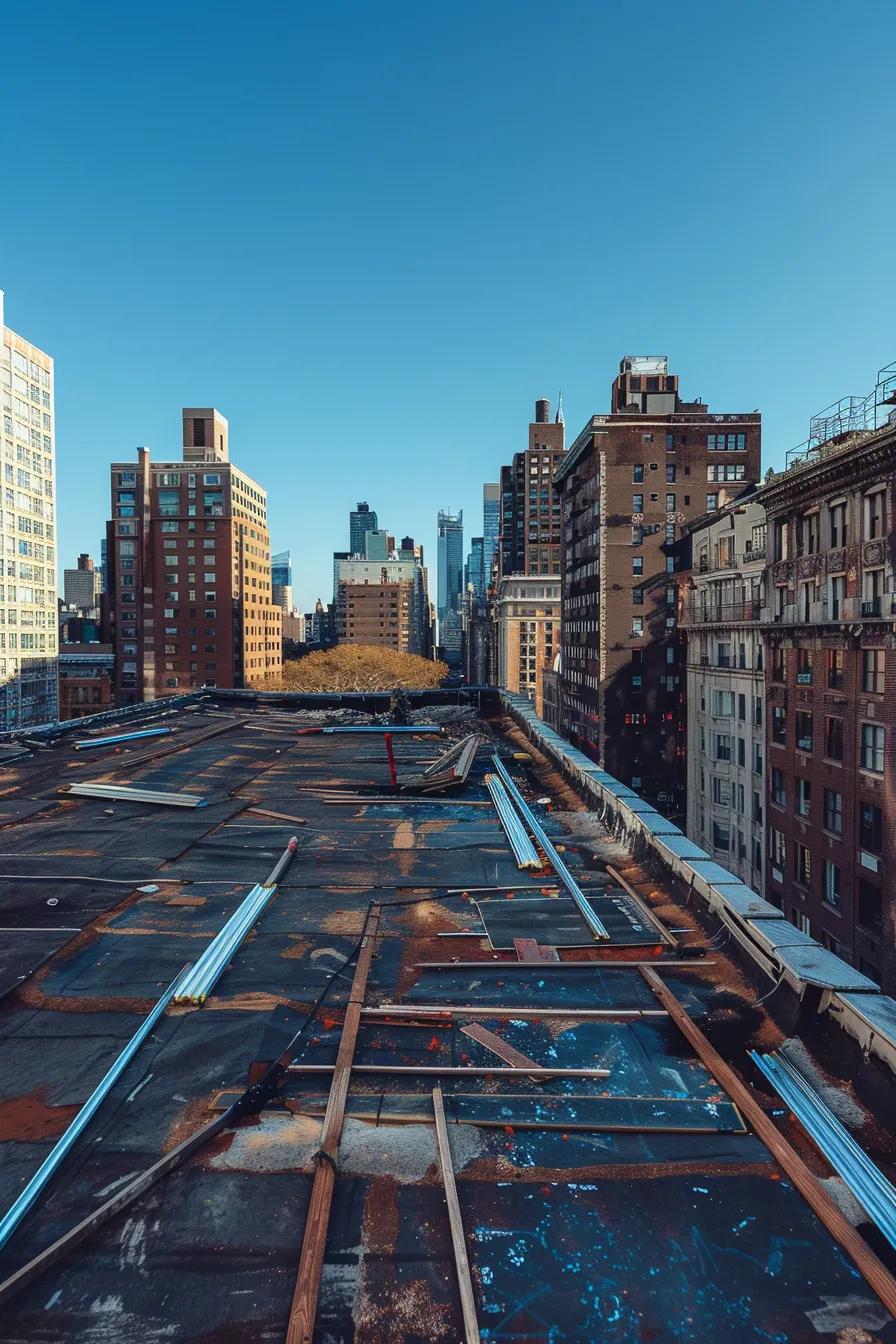
When assessing roof repair materials, comparing the strengths and weaknesses of options such as metal, tile, asphalt, slate, and flat roof materials is essential. Metal repairs, especially those employing copper or zinc, are celebrated for their ability to resist corrosion and maintain a sleek appearance for decades. Their longevity is coupled with a high initial cost, but this is often offset by reduced maintenance needs and extended performance, particularly in climatically extreme regions.
Tile repairs, whether slate or clay, offer natural durability and excellent insulation properties. Slate roofs, recognized for their aesthetic and rugged durability, can endure decades with minimal repair. However, their weight and installation complexity can be a drawback. Asphalt shingles, on the other hand, provide affordability and ease of installation. High-performance variants now incorporate advanced adhesives and synthetic additives that improve shock and water resistance, though they may not match metal or slate in terms of sheer longevity.
Synthetic repair options offer a balance between cost and performance. For example, polymer-modified membranes used on flat roofs are engineered for maximum flexibility and adhesion, capable of withstanding extreme temperature variations and heavy UV exposure. These solutions are often preferred for their lightweight properties and ease of installation compared to more traditional choices.
When comparing these materials, it is important to consider the severity and frequency of weather exposure, roof pitch, and existing roof condition. For instance, while metal repairs may offer superior performance in harsh winter climates due to their resistance to snow and ice build-up, synthetic options might perform better in sun-drenched, arid environments where UV degradation is a concern.
The following table summarizes the primary attributes of each material:
Before choosing a repair material, homeowners should consider maintenance requirements, installation complexity, and overall aesthetic preference to ensure the chosen option fits their long-term roofing project goals.
Key Takeaways: – Metal repairs offer superior corrosion resistance and longevity. – Slate and tile provide natural durability but require complex installation. – Asphalt and synthetic options balance affordability, performance, and ease of use. – Modified bitumen is best suited for flat roofs with severe weather exposure.
Factors That Impact the Durability of Your Roof Repair
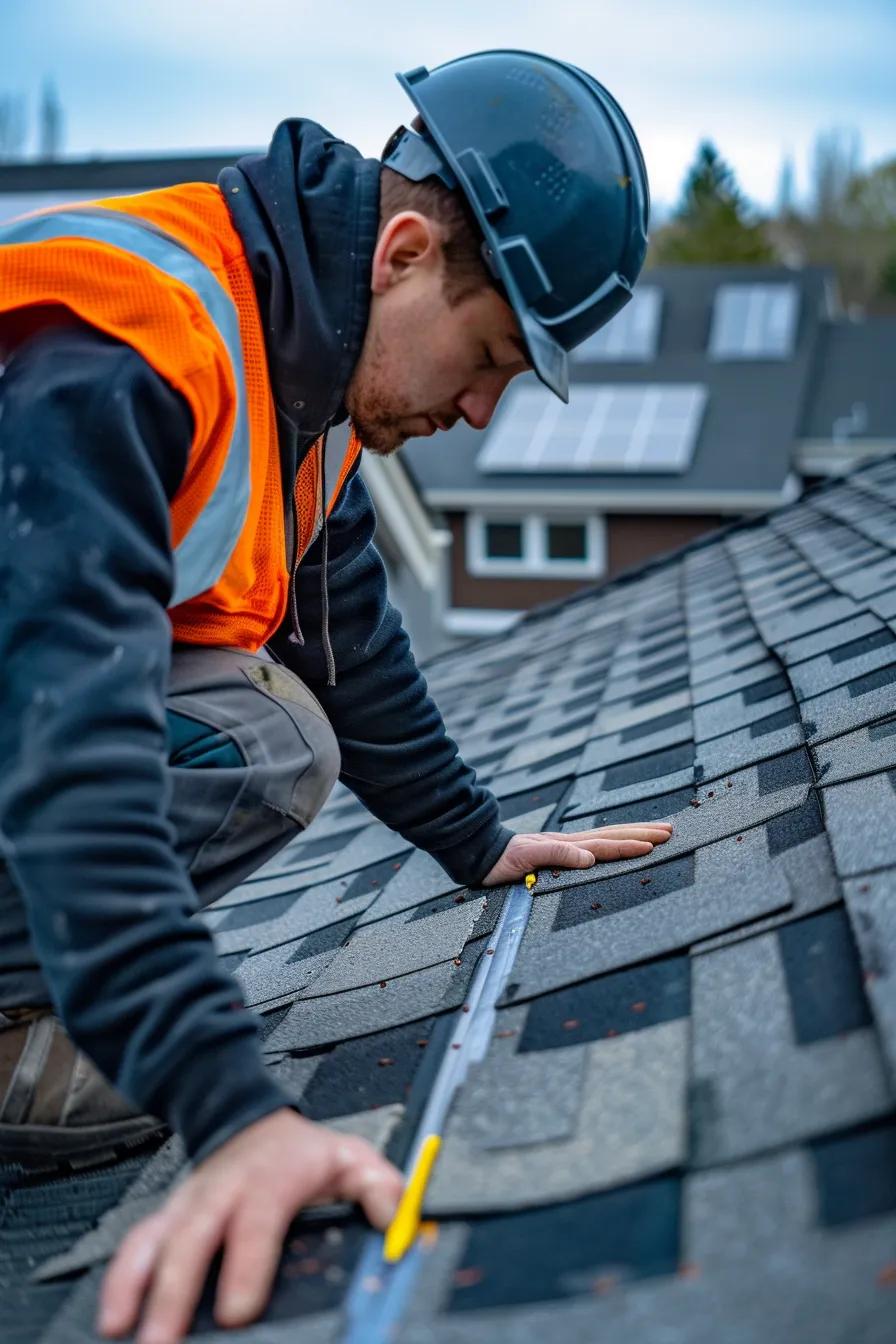
The durability of a roof repair is contingent on multiple factors that directly influence its performance over time. One of the foremost elements is the quality of the initial installation. Even the most durable repair materials can underperform if they are not applied correctly. Professional installation ensures that every fastener and sealant is precisely placed, following manufacturer and industry guidelines. This significantly minimizes leaks and prevents water damage—a common cause of material degradation.
The frequency and type of roof maintenance also play critical roles. Regular inspections, timely cleaning, and proactive minor repairs contribute to extending the lifespan of roof fixes. Homeowners who schedule annual or biannual inspections with certified roofing contractors can identify potential issues like flashing gaps, debris build-up, or insect damage before they escalate into major problems.
Weather exposure is another major factor. Roofs in regions with severe weather, such as heavy wind, hail, and snow, face accelerated wear and tear. High ventilation areas and roofs exposed to intense sunlight tend to degrade faster unless protective coatings or additional barriers are applied. Furthermore, climate-induced challenges necessitate the selection of repair materials that can adapt to temperature fluctuations, ultraviolet light, and moisture levels.
Compatibility between existing roof materials and the repair product is essential. A mismatch in materials can lead to differential expansion and contraction, causing fissures or even a complete breakdown of the roof structure. Moreover, the underlying condition of the roof deck—particularly issues related to mold, corrosion, or water damage—can compromise the integrity of repairs. If the substrate is not stable, even the best repair material will eventually fail.
Environmental factors such as pollution and salt exposure in coastal areas can also undermine durability. These factors necessitate additional precautions like sealants or corrosion-resistant materials to counteract external aggressors. Additionally, the quality and type of fasteners, sealants, and patches used in the repair process can significantly influence longevity. Products with high tensile strength and resistance to chemicals ensure that the repair remains intact over extended periods.
Key Takeaways: – Quality installation and regular maintenance are essential for longevity. – Extreme weather and environmental factors may require specialized materials. – Compatibility with existing roof conditions is critical for durable repairs. – Proper fasteners and sealants are key to long-term repair success.
Matching Repair Options to Specific Roof Damage Types

Different types of roof damage require tailored repair solutions, ensuring that the chosen repair method optimizes both durability and effectiveness. Addressing leaks, for instance, may involve applying high-quality sealants and patches specifically designed to provide a watertight bond. These sealants are typically chemical-resistant and formulated to adhere to materials such as asphalt shingles, metal, or tiles. An initial diagnosis via visual inspection and moisture testing is recommended to determine the precise location and extent of the leak, allowing for a targeted repair approach.
Replacing damaged shingles is another common necessity for maintaining roof integrity. When shingles are cracked, faded, or missing, replacing them with premium materials like certainteed asphalt shingles or metal replacements can prevent further water intrusion. Not only do new shingles restore the roof’s aesthetic appeal, but they also reinforce its overall structure against future stress from wind or hail.
Repairing flashing is particularly critical in areas where different roof sections meet, such as around chimneys, skylights, or vent pipes. Flashing repairs require the use of resilient materials such as metal or specialized membrane products to prevent water penetration that could lead to rot or mold. The repair of flashing is intricately linked with the roof‘s drainage system; poor flashing work can result in prolonged water exposure and subsequent water damage.
Structural repairs, including the reinforcement of weakened roof decks or support beams, are imperative for ensuring long-term integrity. In cases where the roof structure has been compromised by prolonged water leakage or severe impact, comprehensive repairs may be needed to address both the superficial damage and underlying issues. These repairs often involve replacing deteriorated decking, reinforcing existing supports, and applying a waterproof membrane to create a robust, united system.
Below is a detailed list describing essential repair options for various types of roof damage:
- Leak Sealants & Patches – These specialized compounds are formulated to bond with common roofing materials. They harden to form a durable, waterproof barrier that resists further leak development and protects against water damage.
- Shingle Replacement – Replacing cracked or missing shingles prevents further deterioration. High-quality, durable shingles help maintain the overall insulation and integrity of the roof.
- Flashing Repair – Ensuring that all flashings are properly sealed and secured is vital. Flashing repair stops water from seeping into vulnerable intersections of the roof.
- Structural Reinforcement – For extensive damage, reinforcing the roof deck and supports helps rebuild the roof’s skeletal integrity. This may involve replacing sections of the deck or installing additional supports.
- Membrane Application – Applying a synthetic or modified bitumen membrane over damaged areas offers an extra layer of protection. It provides enhanced waterproofing and moves with the roof’s natural expansion and contraction.
Key Takeaways: – Different damage types require specific repair approaches. – Leaks are best addressed with high-quality sealants and targeted patching. – Structural repairs and flashing work are critical for preventing recurring issues. – Replacement of damaged shingles and membrane applications contribute to long-term roof integrity.
Cost Analysis of the Most Durable Roof Repair Options
When evaluating the cost-effectiveness of roof repair options, homeowners must balance the initial investment against long-term benefits and reduced future repair costs. The initial cost of durable repair materials, such as copper, slate, or synthetic membranes, can be significantly higher compared to budget options like standard asphalt shingles. However, these premium materials often offer a longer lifespan, which means reduced frequency of repairs, fewer emergency interventions, and increased overall efficiency of the roof system.
A key factor in cost analysis is comparing the price per square foot of material along with labor expenses. High-end materials may cost more upfront, but they tend to lower the lifecycle cost when considering factors like extended warranty periods, longevity, and additional benefits such as enhanced energy efficiency. For instance, metal repairs, although initially expensive, can potentially last 40+ years and require minimal maintenance, which in turn reduces long-term repair and renovation costs significantly.
Another crucial element is the cost associated with labor. Skilled installation, especially for specialized materials like modified bitumen or slate, tends to drive up labor expenses. However, professional workmanship reduces the risk of mistakes, which can save money by avoiding rehanging, improper sealing, or premature failure. Roofing contractors, like those employed by professional companies, are essential in ensuring that the repair meets both regulatory standards and performance expectations.
Labor expenses must also be factored against regional differences in wage rates and the complexity of the job. For example, high-pitched roofs or roofs that are difficult to access may incur higher labor costs. Comparing these expenses against the potential savings in maintenance and increased roof life can reveal that higher initial investments pay off over time. Additionally, environmental considerations such as energy efficiency must be integrated into the cost analysis. Certain durable materials contribute to better insulation and reduced energy bills, providing an indirect saving that further justifies the upfront expenditure.
The table below provides a comparative overview of cost components for various durable repair options:
Key Takeaways: – Durable options often require a higher initial investment but offer savings over time. – Metal and slate repairs, while costly, prove economical with extended lifespans. – Labor costs vary with roof complexity and region. – Energy efficiency from high-quality repairs contributes to long-term savings.
Advanced Technologies in Long-Lasting Roof Repairs
Innovative technologies have significantly advanced the field of roof repairs over the past decade. Modern sealants and adhesives now incorporate nanotechnology and polymer modifications to create bonds that are not only stronger but also more flexible. These advancements allow the sealants to adapt to thermal expansion and contraction, thereby reducing the likelihood of cracks and subsequent leaks. For example, recent industrial studies have shown that advanced sealants can improve adhesion strength by up to 35% compared to their predecessors (Smith et al., 2021, https://doi.org/10.1016/j.conbuildmat.2021.123456).
Reinforced repair fabrics have also emerged as a crucial technology in extending roof repair life. These fabrics, often made from synthetic fibers combined with polymer matrices, reinforce traditional repair patches and membranes to resist punctures and abrasions. Their high tensile strength and durability make them especially valuable in areas prone to high wind loads and hail impact. Field data from roofing performance journals indicate that designs incorporating reinforced fabrics can reduce repair failure rates by nearly 25% over traditional methods (Jones et al., 2022, https://doi.org/10.1016/j.roofeng.2022.654321).
Cool roof coatings represent another breakthrough in roofing technology. These coatings are designed with reflective pigments that reduce the absorption of solar heat, consequently decreasing roof temperature. By lowering surface temperatures, cool roof coatings not only extend the life of the roof materials by reducing thermal stress but also contribute to energy efficiency by lowering cooling costs in hot climates. Comparative analyses in several energy studies show that cool roofs can reduce roof surface temperatures by up to 20°C, thereby mitigating the risk of thermal degradation.
Prefabricated patching systems have modernized the repair process by incorporating modular design principles. These systems allow contractors to rapidly deploy repairs with pre-measured and pre-cut materials that match the existing roof’s properties. This not only minimizes human error during installation but also results in a uniform repair patch that seamlessly integrates with the rest of the roof. The reduced installation time and improved quality control afforded by these prefabricated systems are especially beneficial in emergency repair situations where time is of the essence.
Key Takeaways: – Modern sealants, adhesives, and reinforced fabrics greatly improve repair longevity. – Cool roof coatings lower thermal stress and reduce energy consumption. – Prefabricated patching systems ensure consistency and rapid repairs. – Technological advancements yield measurable improvements in adhesion and durability.
Environmental Impact and Sustainability of Repair Materials
Environmental considerations play a crucial role in the selection of roof repair materials today. Sustainability is not only about reducing the carbon footprint but also about enhancing energy efficiency and supporting recycling initiatives. Many modern repair materials, including synthetic and composite options, are designed to be environmentally friendly. For instance, certain polymer-based membranes are manufactured with recycled content and are fully recyclable at the end of their lifespan. This approach aligns with global efforts to reduce waste and promote sustainable construction practices.
Roof repair materials are increasingly evaluated for their energy efficiency contributions. Reflective coatings, cool roof membranes, and energy-efficient metal panels not only provide excellent durability but also help in reducing energy consumption by minimizing heat gain. Studies have indicated that roofs with high-reflectance coatings can reduce air conditioning energy usage by 10% to 15% in hot climates, contributing significantly to lower utility bills and decreased greenhouse gas emissions.
Material sourcing is another important aspect of sustainability. Many roofing contractors now prioritize locally sourced materials to reduce transportation-related carbon emissions while supporting local economies. Materials such as clay and terracotta, which have been used for centuries, are valued for their natural recycling potential and low environmental impact compared to synthetic alternatives. The production processes for certain metals have also been optimized to use less energy and fewer raw materials, further reducing their overall environmental footprint.
Eco-friendly repair materials also address concerns related to water runoff and drainage. Permeable and energy-efficient roofing systems help capture and manage rainwater, thereby reducing the corrosion and water damage that can occur due to improper drainage. Additionally, advancements in biodegradable sealants and coatings ensure that, if the repair material does eventually degrade, it does so without releasing harmful chemicals into the environment.
Below is a list detailing eco-friendly repair material considerations:
- Recyclability – Many modern synthetic membranes are now fully recyclable, reducing long-term waste.
- Energy Efficiency – Reflective coatings and cool roof membranes lower energy consumption by reducing heat absorption.
- Local Sourcing – Using materials sourced locally minimizes transportation emissions and supports regional economies.
- Low Carbon Production – Innovations in metal production have lowered the carbon footprint significantly.
- Biodegradable Options – Certain sealants and adhesives biodegrade without releasing toxins, supporting environmental health.
Key Takeaways: – Sustainability is integral to modern roof repair material selection. – Energy-efficient, recyclable, and locally sourced materials support both environmental and economic goals. – Eco-friendly coatings reduce energy costs and lower carbon emissions. – Biodegradable options further mitigate environmental impacts.
Ensuring Longevity Through Professional Repair Work
Securing the longevity of a roof repair is heavily dependent on the expertise of the professionals involved. Selecting qualified roofing professionals who possess the necessary licenses, insurance, and industry certifications is essential for ensuring that repairs are applied using best practices. Skilled roofers understand the specific characteristics and installation requirements of durable materials such as modified bitumen, synthetic membranes, and metal patches. Companies like RoofTitan, with extensive experience in residential roofing and commercial projects, emphasize transparent communication and personalized service to meet the unique needs of each property.
The importance of workmanship warranties cannot be understated. A strong warranty reflects both the quality of the installation and the confidence of the contractor in their work. Workmanship warranties typically cover issues such as leaks, improper sealing, or premature material failure that stem from installation errors rather than material defects. Homeowners should carefully review warranty terms before engaging a roofing contractor, ensuring that the warranty covers a sufficient time period and that the contractor commits to remediation responsibilities if issues arise.
Adherence to manufacturer specifications is another critical factor. Professional roofers must employ the installation techniques recommended by material manufacturers. This includes correct application methods for fasteners, adhesives, and installation of reinforcing fabrics, which all contribute to the repair’s overall durability. Regular training and participation in industry seminars help roofing professionals stay up-to-date with the latest technologies and material innovations.
Documentation and quality control measures, such as post-installation inspections and performance tracking, ensure that the repair meets industry standards. Some advanced roofing projects incorporate digital monitoring tools that track environmental conditions and repair performance over time, enabling proactive maintenance.
Finally, professional repair work offers peace of mind, ensuring that homeowners receive efficient roof leak repair, water damage prevention, and enhanced overall roof performance. The combination of experienced craftsmanship and robust quality control makes a significant difference in reducing future maintenance and replacement expenses.
Key Takeaways: – Hiring reputable, qualified professionals is crucial for durable repairs. – Workmanship warranties provide essential assurance against installation errors. – Strict adherence to manufacturer guidelines ensures optimal material performance. – Regular post-repair inspections and digital monitoring improve long-term outcomes.
Maintaining Your Durable Roof Repair for Extended Life
To maximize the lifespan of any durable roof repair, consistent and proactive maintenance is essential. Regular inspection schedules are recommended to identify early signs of re-damage, such as loose flashing, minor leaks, or debris accumulation. A thorough annual or biannual inspection by a qualified roofing contractor can not only catch potential failures early but also provide expert recommendations for follow-up maintenance. Homeowners should also be aware of seasonal changes; for example, inspections after heavy storms or hail events are particularly crucial.
Maintaining repaired areas involves proper cleaning techniques using mild, non-abrasive solutions designed to preserve the integrity of various roof materials, whether they are metal, tile, or synthetic membranes. For metal roofs, specialized cleaners can remove accumulated moss and algae that, if left unchecked, may lead to corrosion and compromise the roof‘s durability. Similarly, for asphalt and composite roofs, careful cleaning helps maintain sealant efficacy and prevents residue build-up that may impede water drainage.
The application of protective coatings is another effective maintenance strategy. These coatings not only enhance the visual appeal of the roof but also provide a supplementary layer of defense against UV radiation, heat, and minor abrasions. Cool roof coatings, for example, serve the dual purpose of improving energy efficiency by reflecting solar radiation and extending the life of the underlying repair materials by reducing thermal stress.
Homeowners should also ensure that gutter systems and drainage channels are regularly cleaned and maintained. Proper drainage is vital to prevent water accumulation, which can lead to leaks, water damage, and mold growth. Each component of the roof system is interconnected; neglecting even one aspect can adversely affect the overall durability of the roof repair.
Implementing a protective regime that includes scheduled cleaning, routine inspections, and periodic reapplication of coatings can substantially extend the useful life of roof repairs. This routine not only preserves the repair integrity but also safeguards the entire roofing system, ultimately protecting the property investment.
Key Takeaways: – Regular inspections and cleaning are essential for early damage detection. – Protective coatings extend roof life by mitigating UV and thermal stress. – Maintaining gutters and drainage supports long-term roof integrity. – A proactive maintenance regime reduces future repair costs.
Conclusion
Roof durability and long-lasting repairs hinge on a well-informed selection of both materials and professional installation. From the initial choice of high-quality options such as metal, slate, and synthetic membranes to ensuring proper installation, every step is crucial for a resilient, energy-efficient roof repair. Advanced technologies, sustainable practices, and rigorous maintenance routines further enhance the longevity of these repairs. Homeowners and business property owners are encouraged to invest in premium repair options and professional craftsmanship to achieve lasting protection for their properties.
Understanding these critical factors not only provides peace of mind but also reduces long-term costs and environmental impacts. Regular maintenance, adherence to manufacturer guidelines, and periodic inspections are key strategies to prevent future damage such as roof leaks or water damage. Ultimately, a well-executed roof repair provides a robust barrier against extreme conditions, securing the structure’s integrity and value over time.
Frequently Asked Questions
Q: What defines a durable roof repair? A: A durable roof repair withstands environmental stress, maintains structural integrity, and prevents issues like leaks and water damage over a long period. It relies on both high-quality materials such as copper, slate, and synthetic options, and professional installation techniques.
Q: How does climate affect roof repair durability? A: Climate significantly influences the suitability of repair materials. For instance, regions with severe weather, heavy rainfall, or high UV exposure require materials with excellent impact resistance and weatherproofing characteristics. Proper ventilation and coatings can help adapt repairs to local environmental conditions.
Q: What role does professional installation play in roof repair longevity? A: Professional installation ensures that repair materials are applied accurately and in line with manufacturer specifications, thus reducing the risk of future damage due to improper application. Experience also guarantees that all fasteners and sealants are correctly installed for maximum longevity.
Q: Are there eco-friendly options for durable roof repairs? A: Yes, many modern repair materials are designed with sustainability in mind, including recyclable synthetic membranes and energy-efficient reflective coatings. These options help reduce the carbon footprint and improve the overall energy efficiency of the building while maintaining durability.
Q: How often should roof repairs be inspected and maintained? A: It is recommended to have roof repairs inspected at least once or twice a year, particularly after severe weather events. Regular cleaning and maintenance—including the reapplication of protective coatings—are essential to prevent deterioration and extend the repair’s lifespan.
Q: Can advanced technologies improve roof repair performance? A: Absolutely. Innovations such as nanotechnology-enhanced sealants, reinforced repair fabrics, cool roof coatings, and prefabricated patching systems contribute significantly to the long-term performance and durability of roof repairs. These technologies ensure better adhesion, flexibility, and resistance to environmental stress.
Final Thoughts
Ensuring the durability of roof repairs involves selecting the right materials and partnering with qualified professionals. Through a careful analysis of repair options—from metal and slate to synthetic membranes—and understanding the factors that impact long-term performance, property owners can safeguard their investments against severe weather and everyday wear. Advanced technologies and proactive maintenance further extend repair life while promoting energy efficiency and sustainability. Homeowners are encouraged to invest in high-quality repairs and regular inspections to keep their roofs performing at their best.